




A Virtual History & Gallery 1985-2025
In this digital age, the virtual quilt show offers a unique way to showcase and
encourage interest in quilt guilds and quilting. Given the volume of historical and
contemporary – soon to be vintage – quilts, an online registry is likely the best way
to preserve quilts and their stories for generations to come ~ Susan Little Quilter
In this digital age, the virtual quilt show offers a unique way to showcase and
encourage interest in quilt guilds and quilting. Given the volume of historical and
contemporary – soon to be vintage – quilts, an online registry is likely the best way
to preserve quilts and their stories for generations to come. The registry provides a permanent record of quilting arts in the Kootenay region, allowing us to trace individual quilts as they pass through families or are discovered in the thrift shops.
Most stories begin with a glimpse into the past. For example, the author recounts
how their quilting journey started many years ago highlighting the ‘sample quilt
class’ that got them started. How they used cereal box cardboard to cut fabric
shapes for quilt blocks. As a wife, mother, student, or employee, they often lacked
time for real quilting, and the cost of fabric and notions was difficult to justify. It
wasn’t until they were semi-retired and their children had ‘flown the nest’ that they
truly embraced the creative process.
Raffle Quilts #500
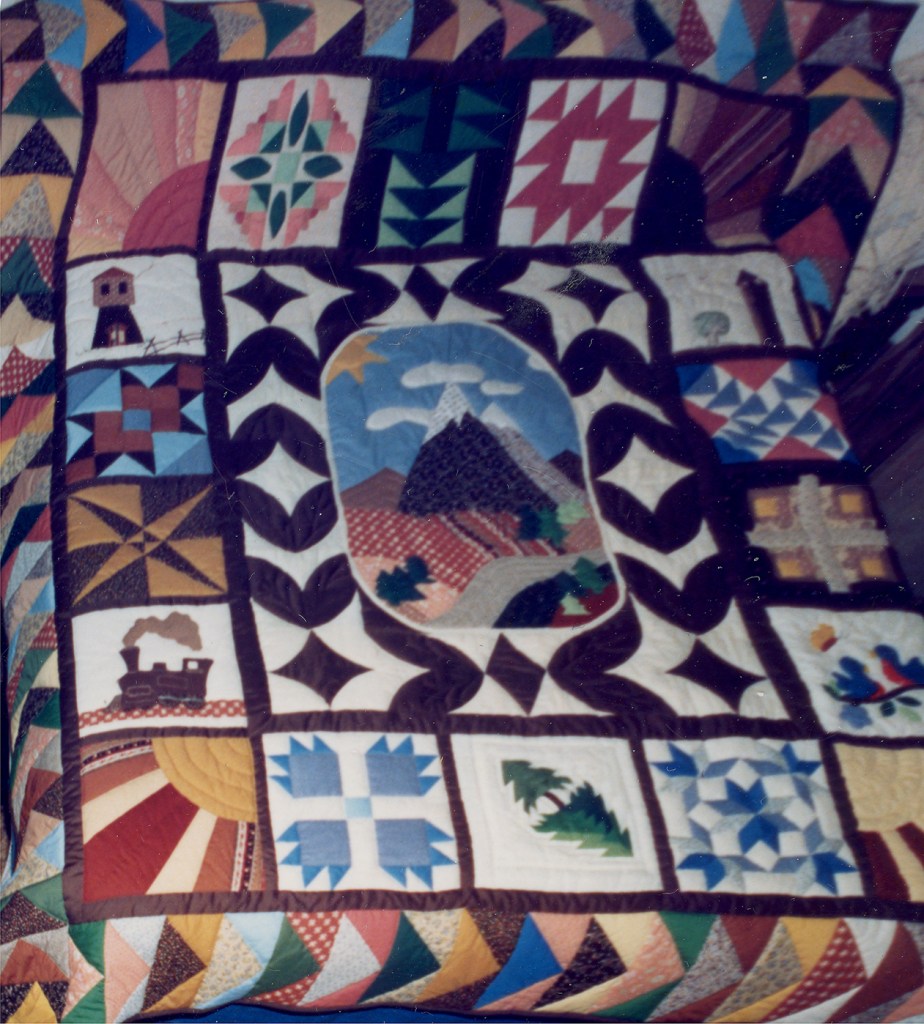
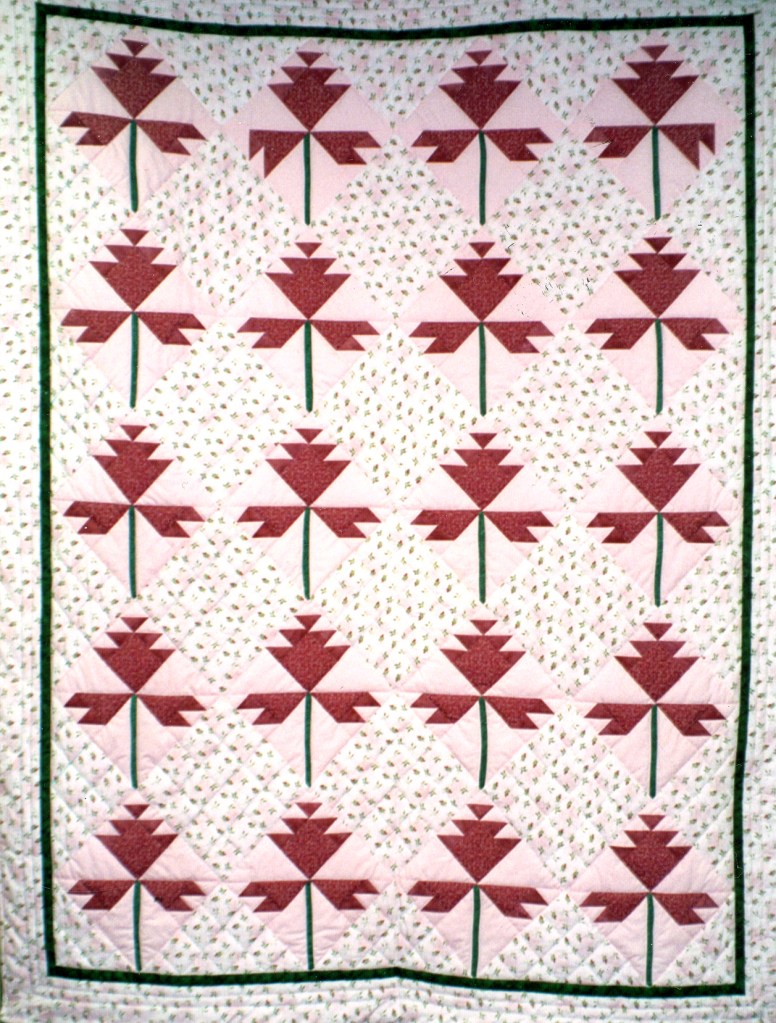
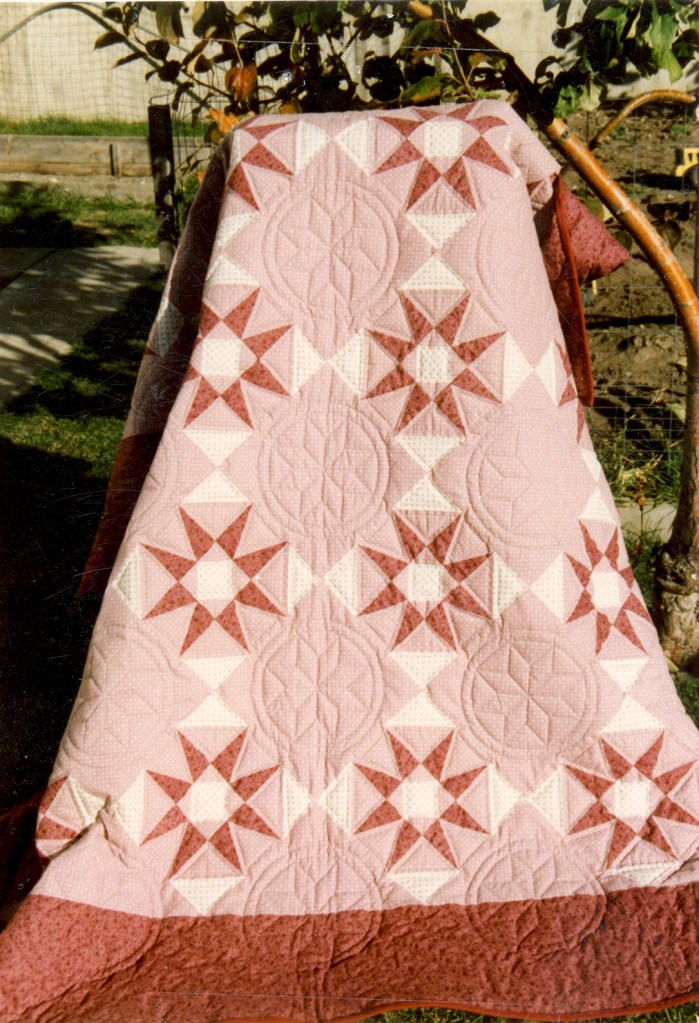
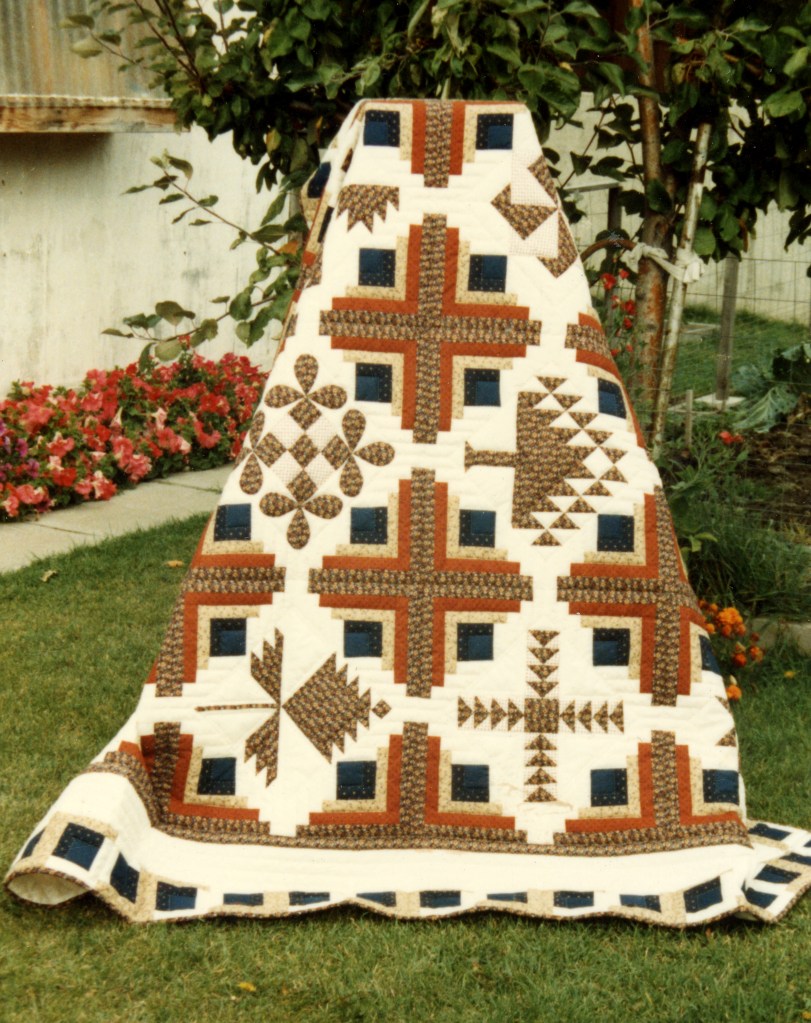
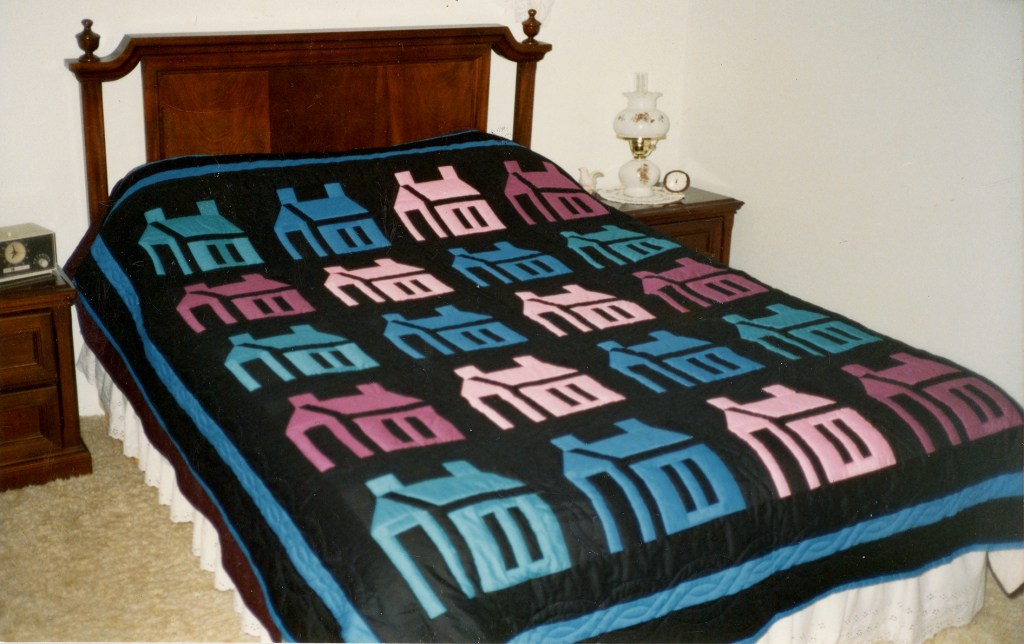
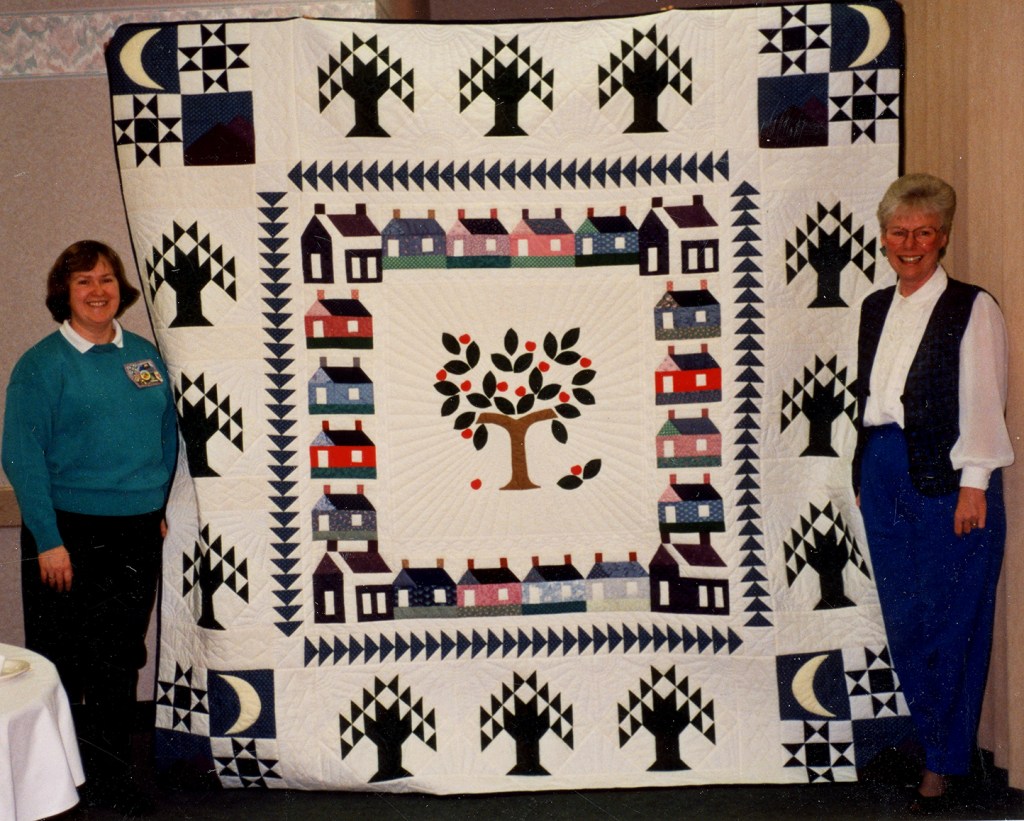
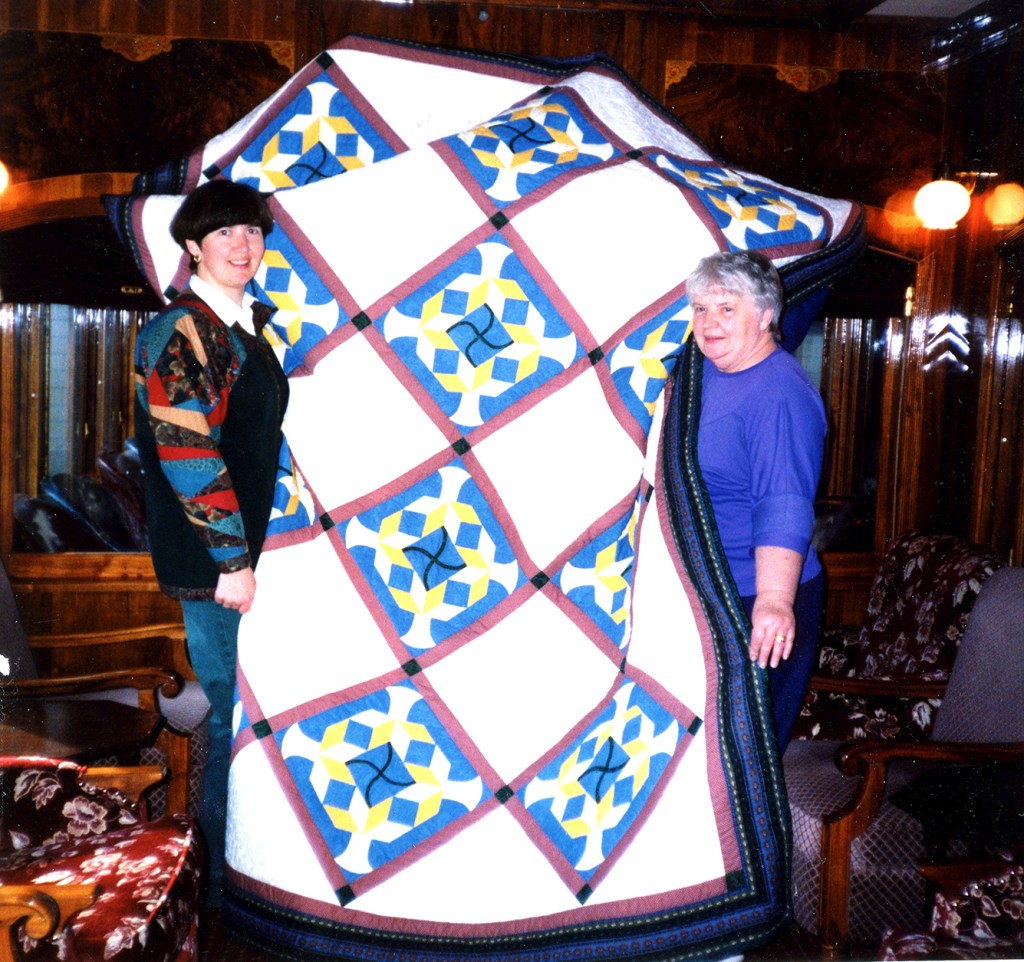
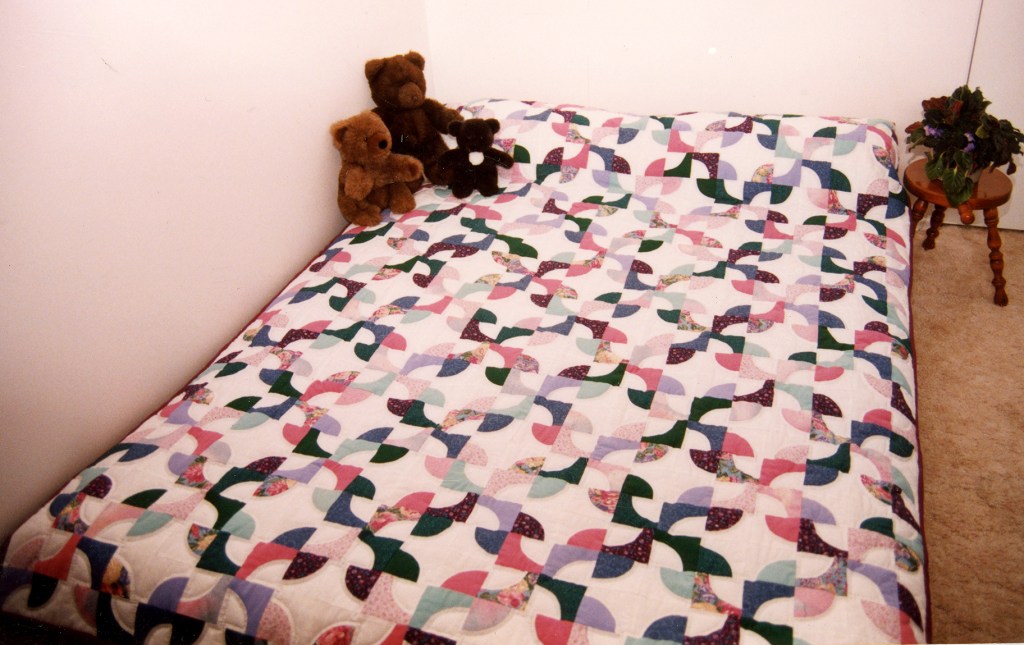
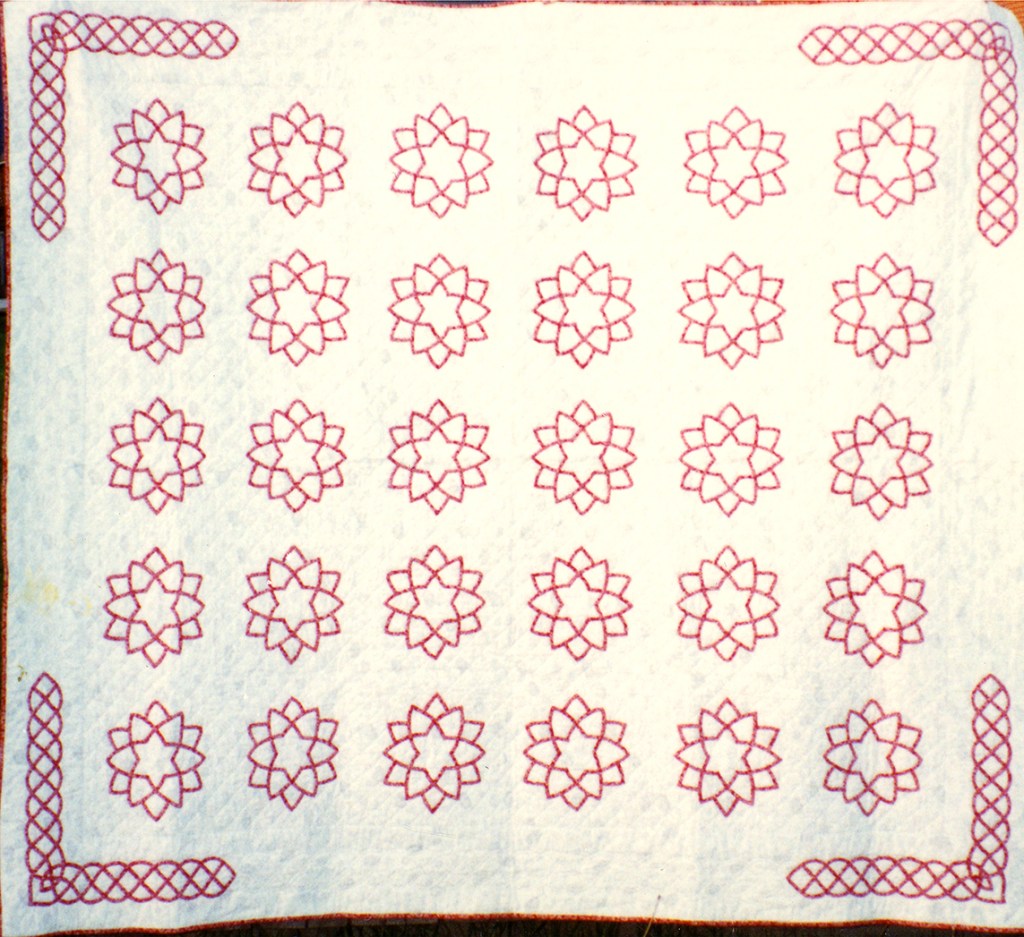
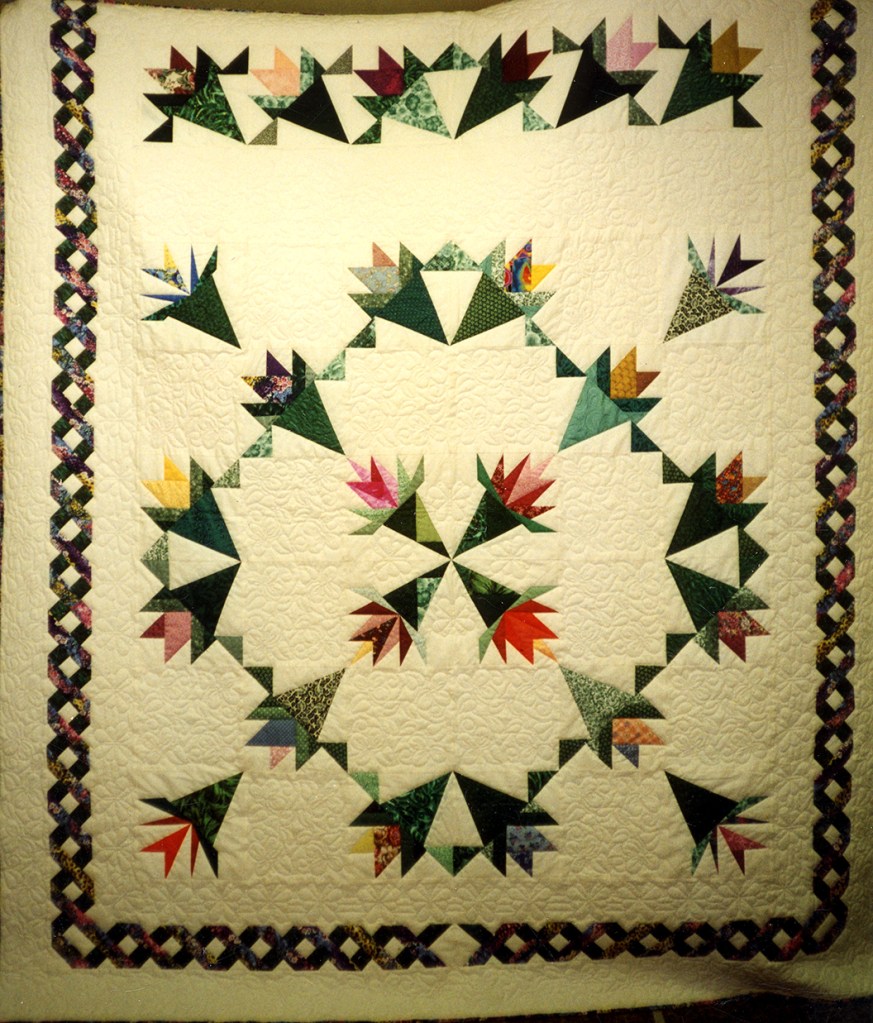
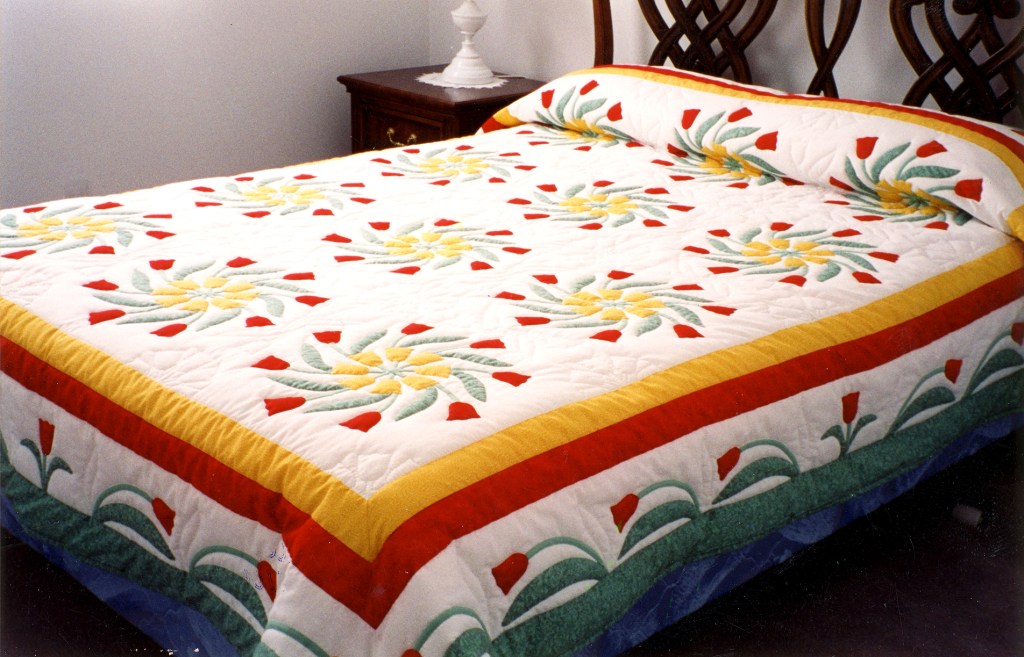
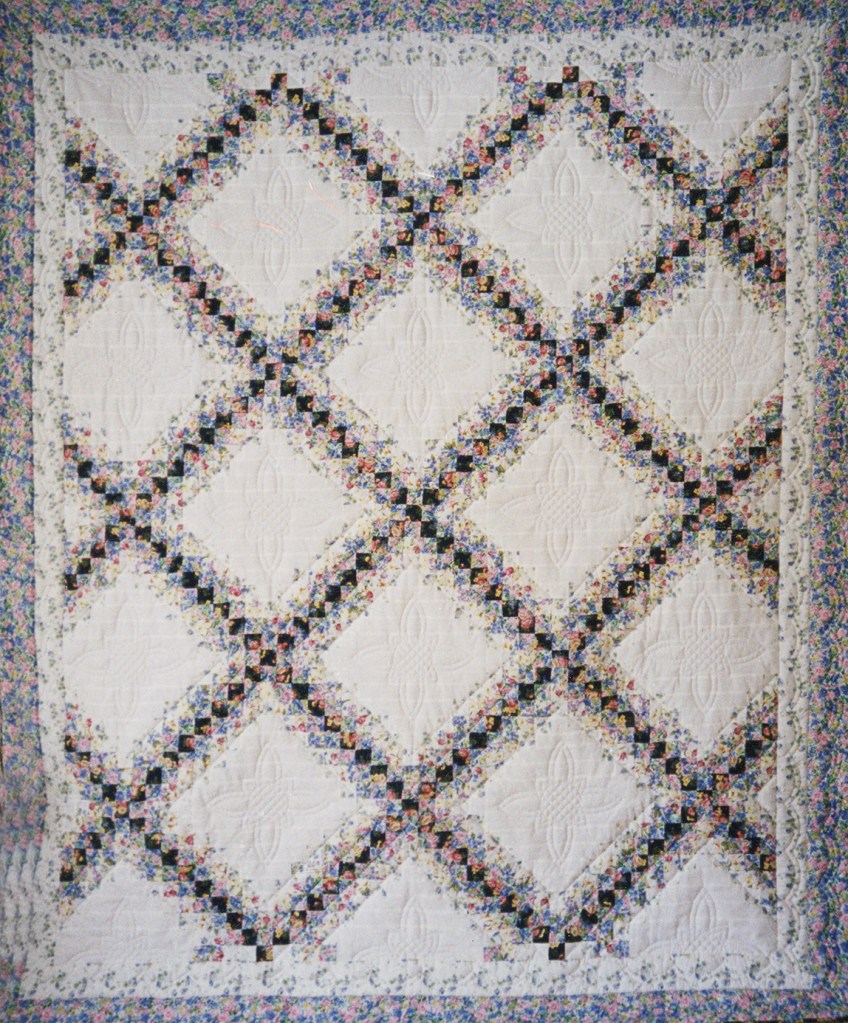
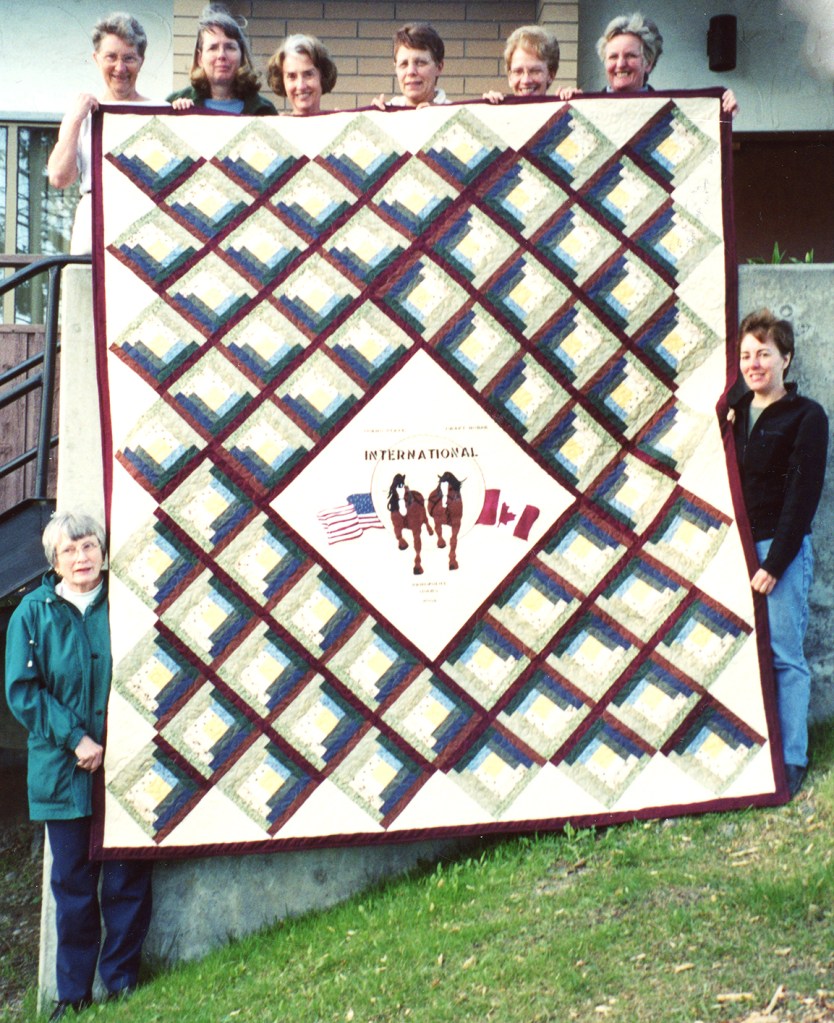
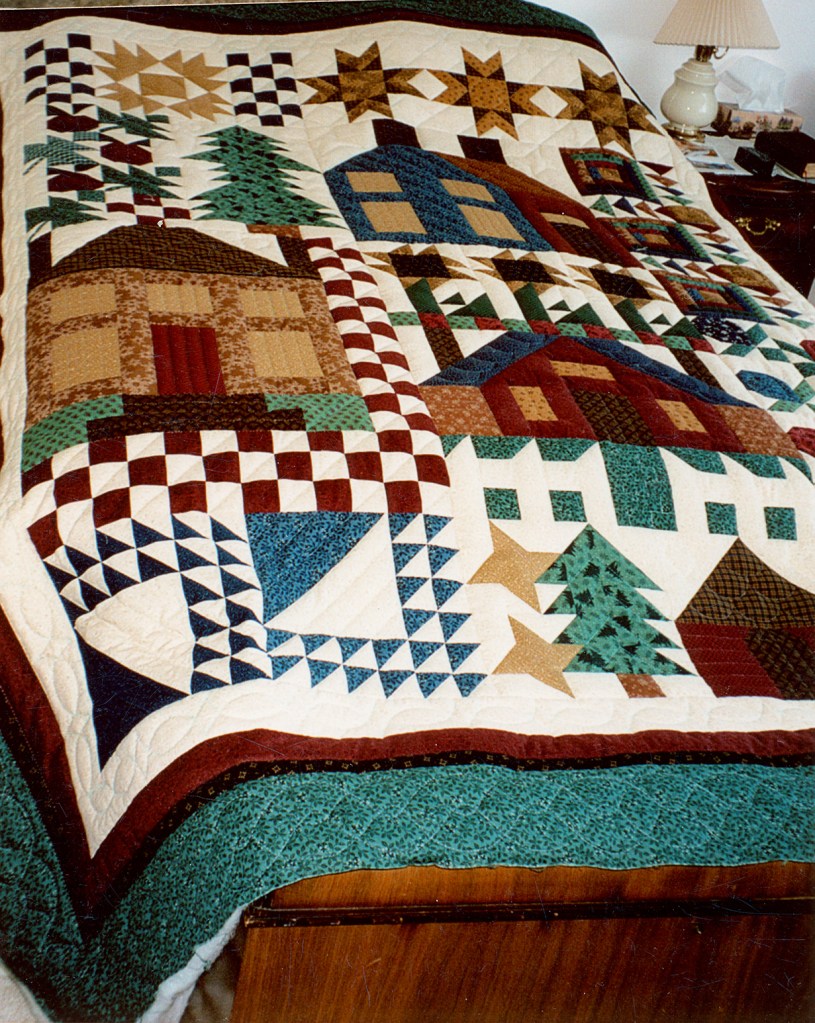
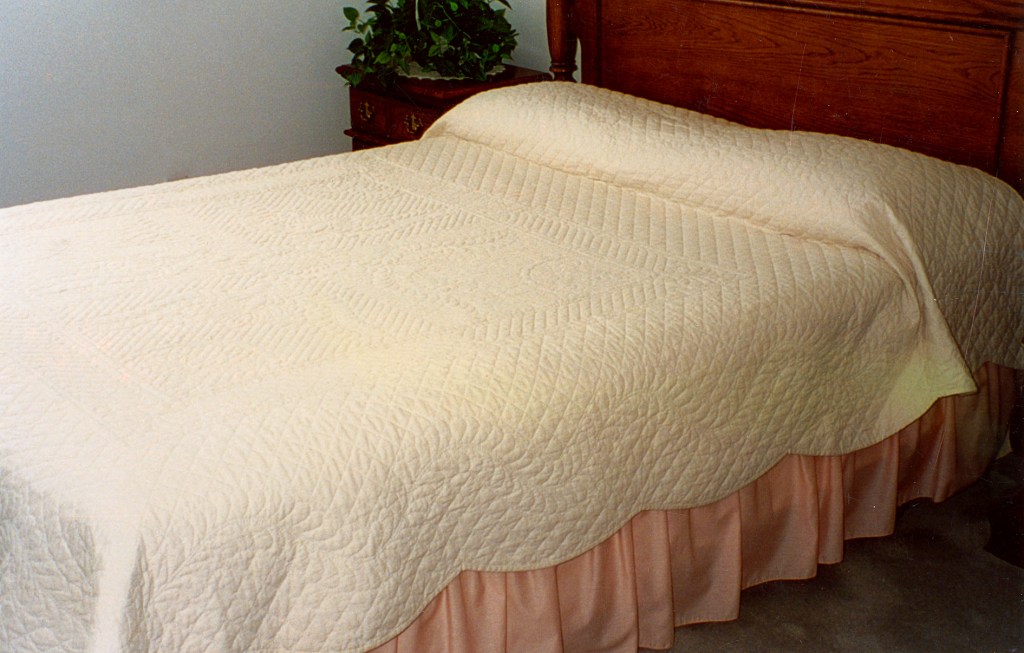
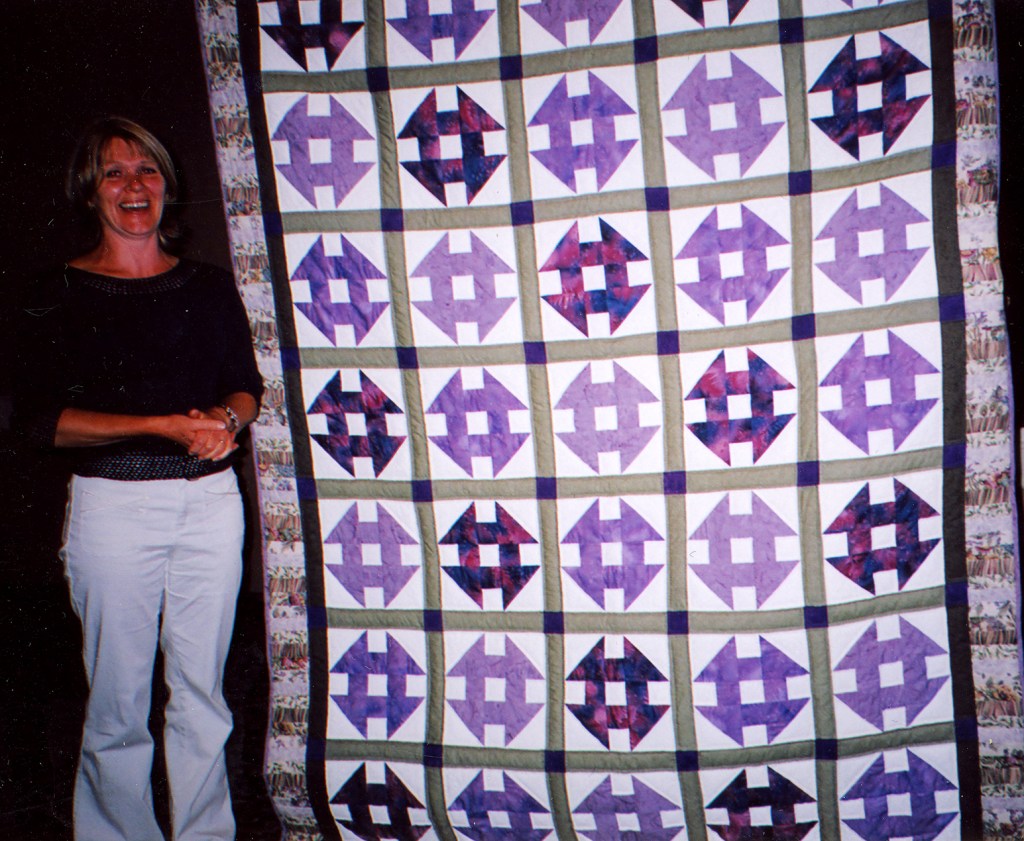
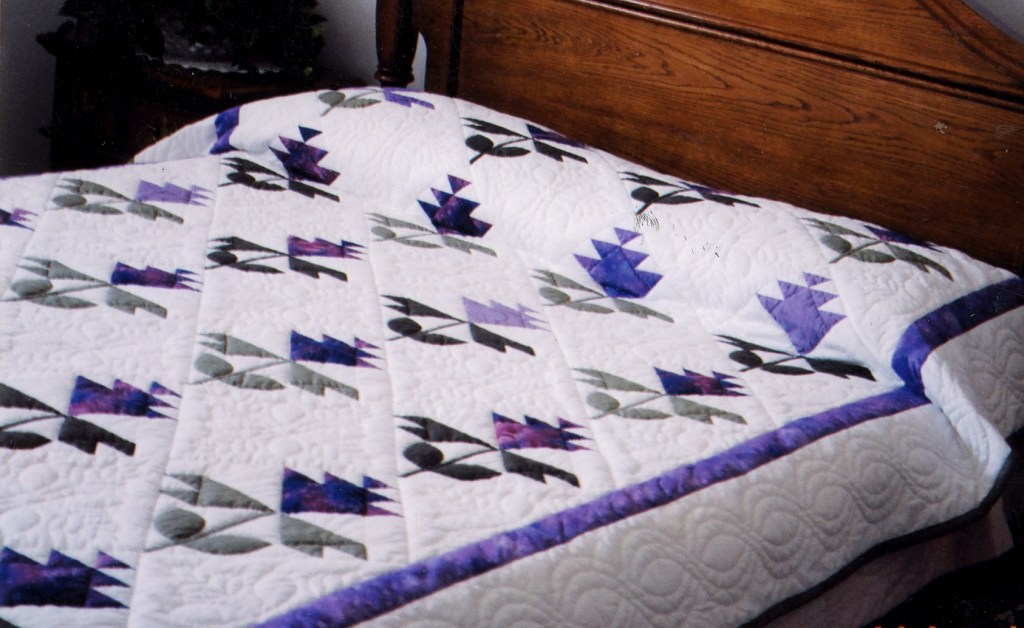
Ransom, Elaine – Quilts (left to right) #136 & #137
Replica Quilt #134
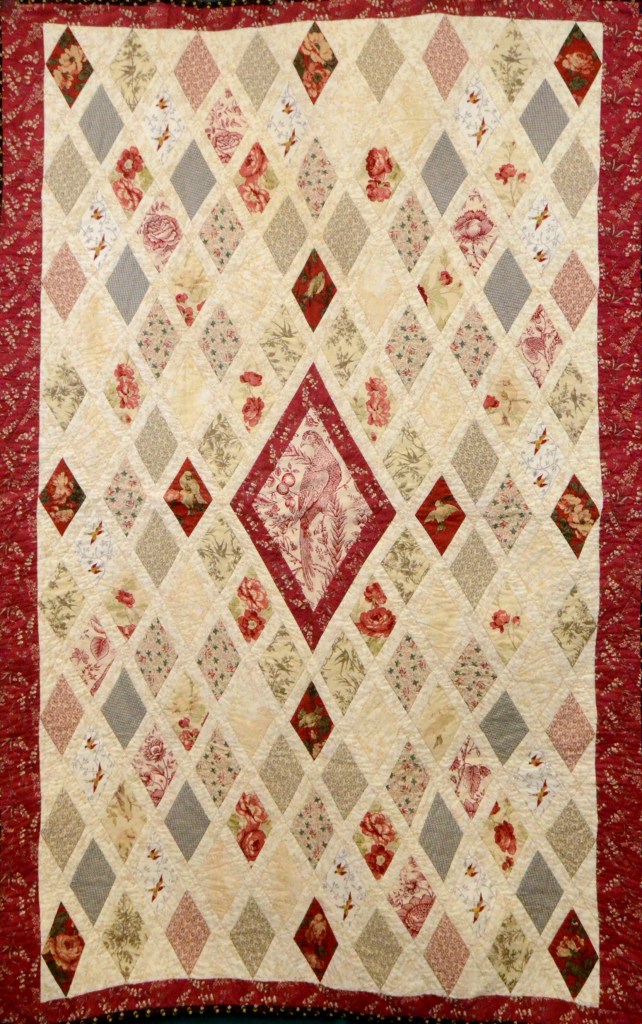
Salvador, Peggy – Quilts (left to right) #021 & #022
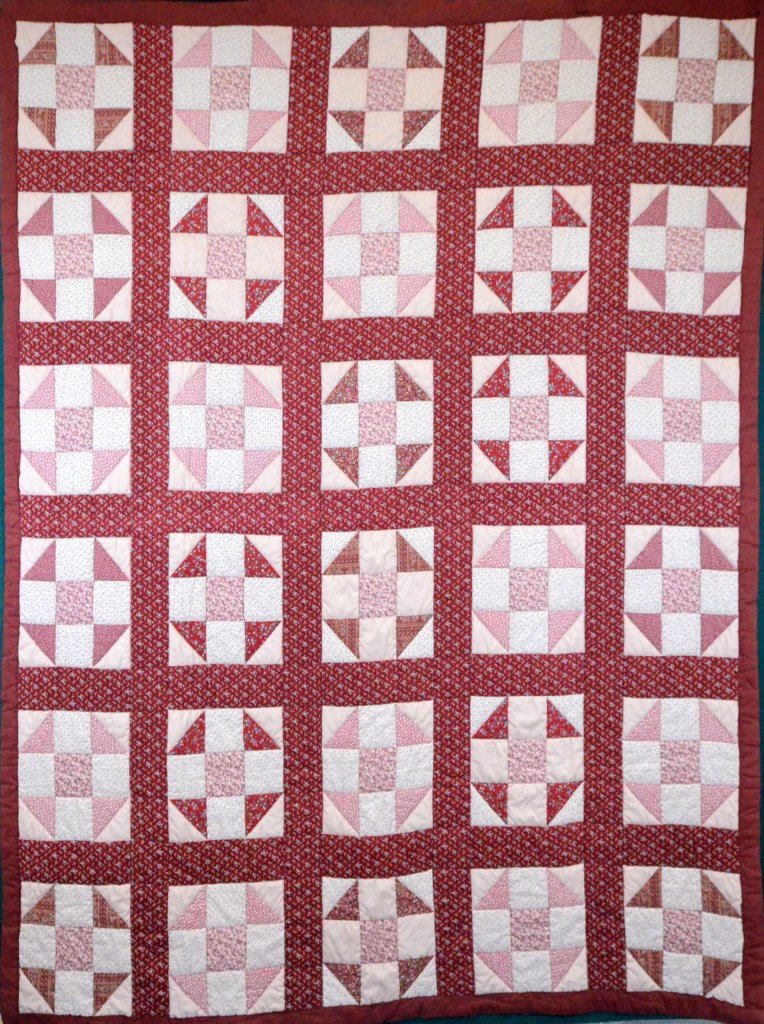
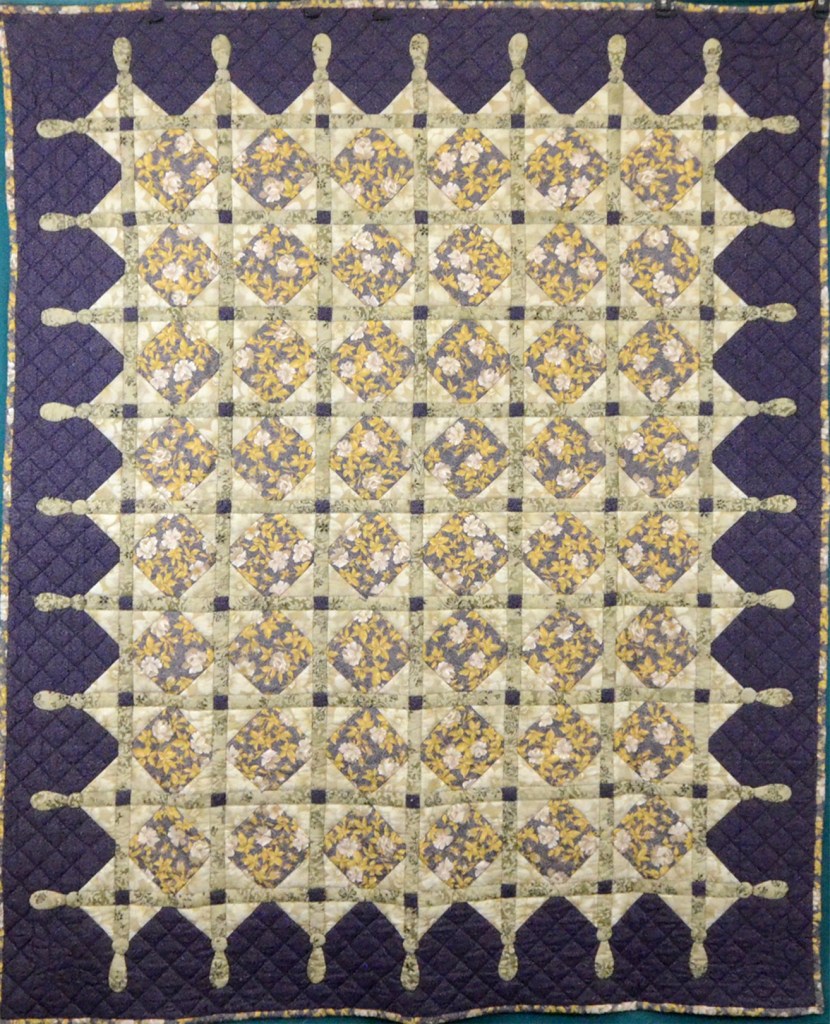
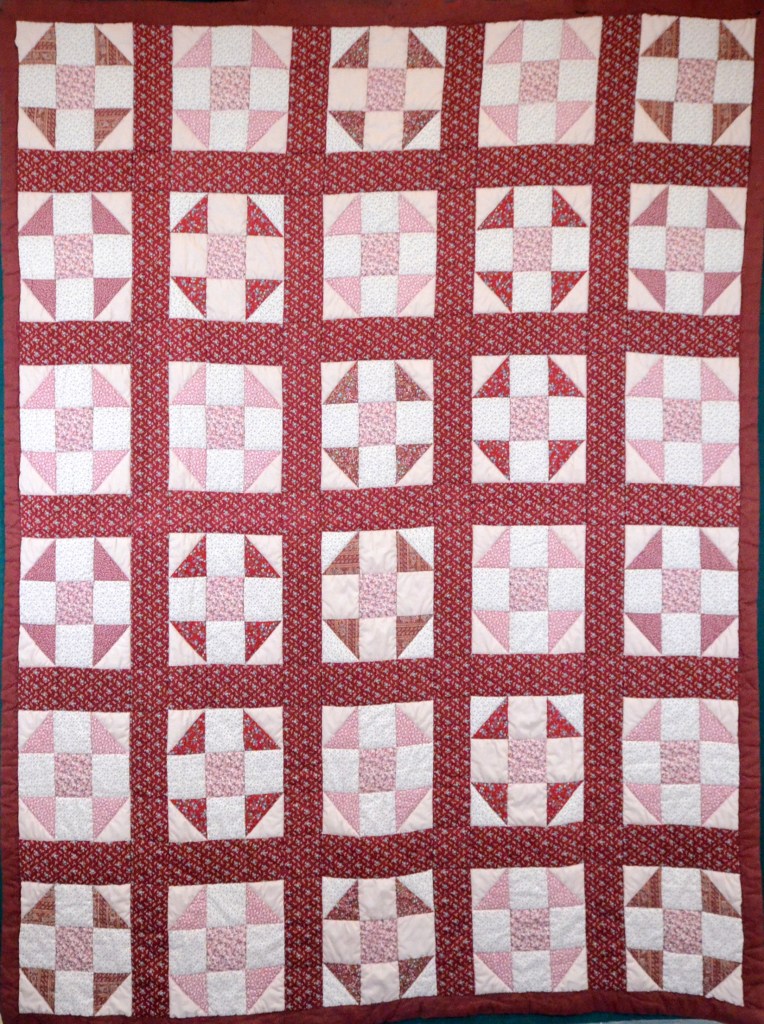
Sampert, Ilene – Quilt #304

Sampert, Ilene Quilt #304
Sargent, Bernice – Quilt #091
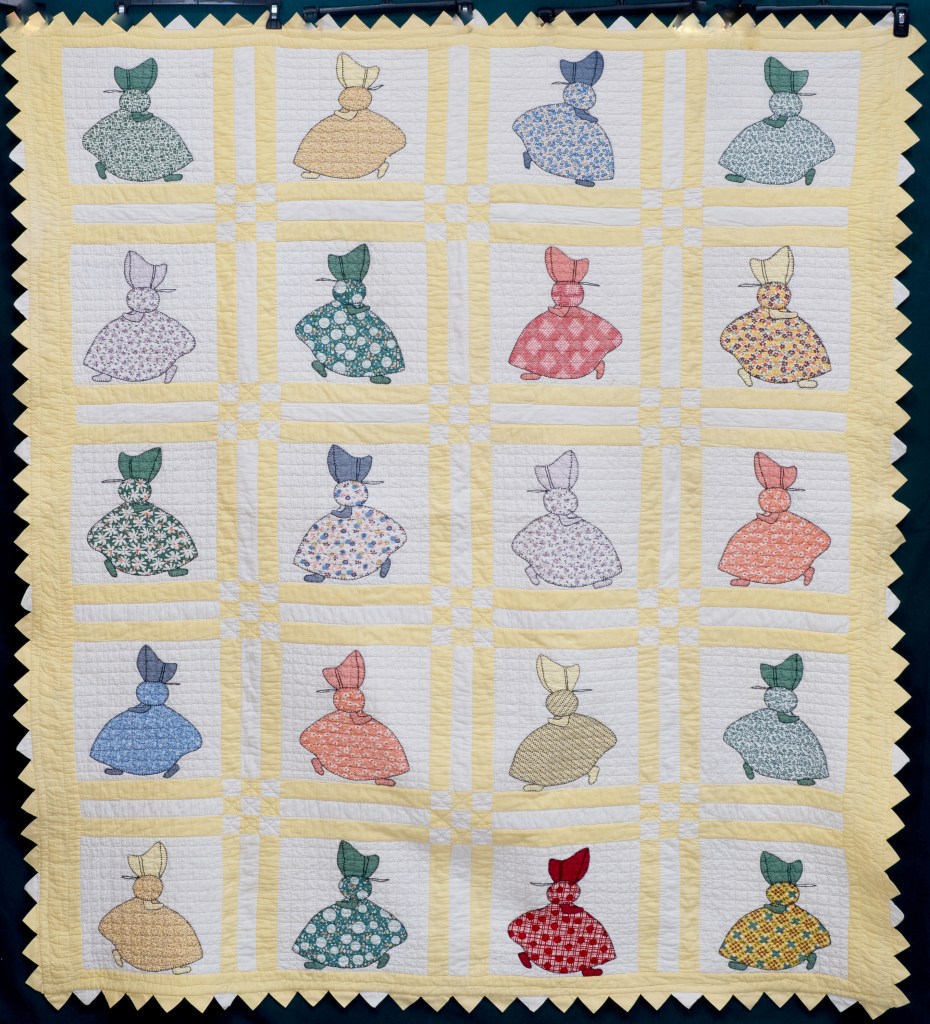
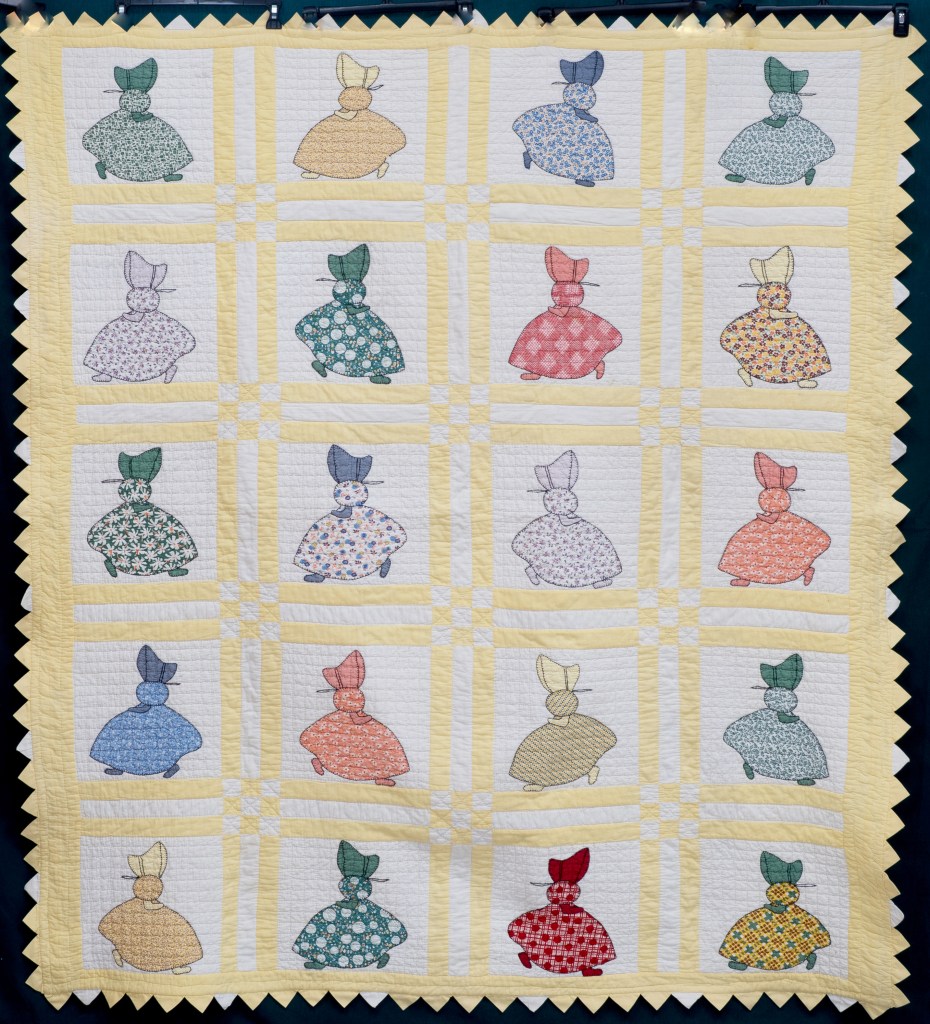
Schulz, Erika – Quilts #028 & #029
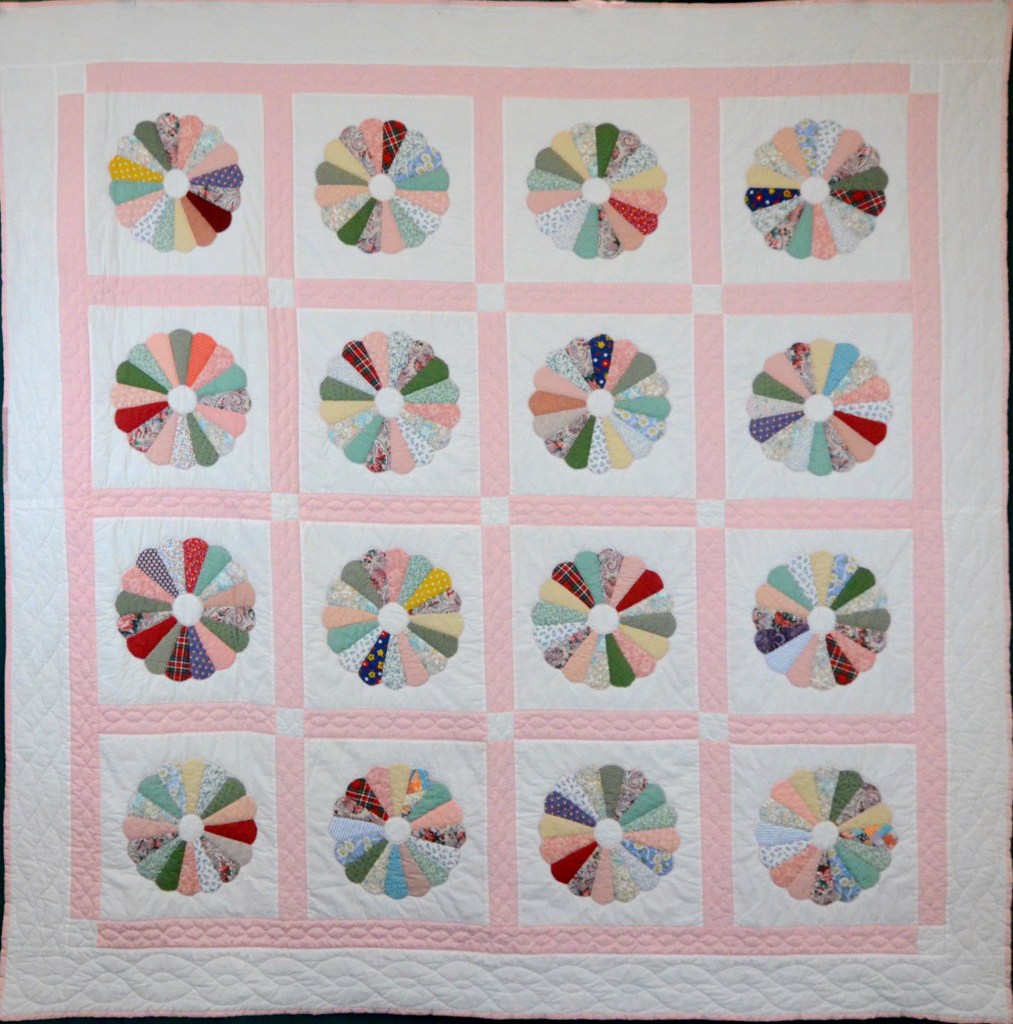
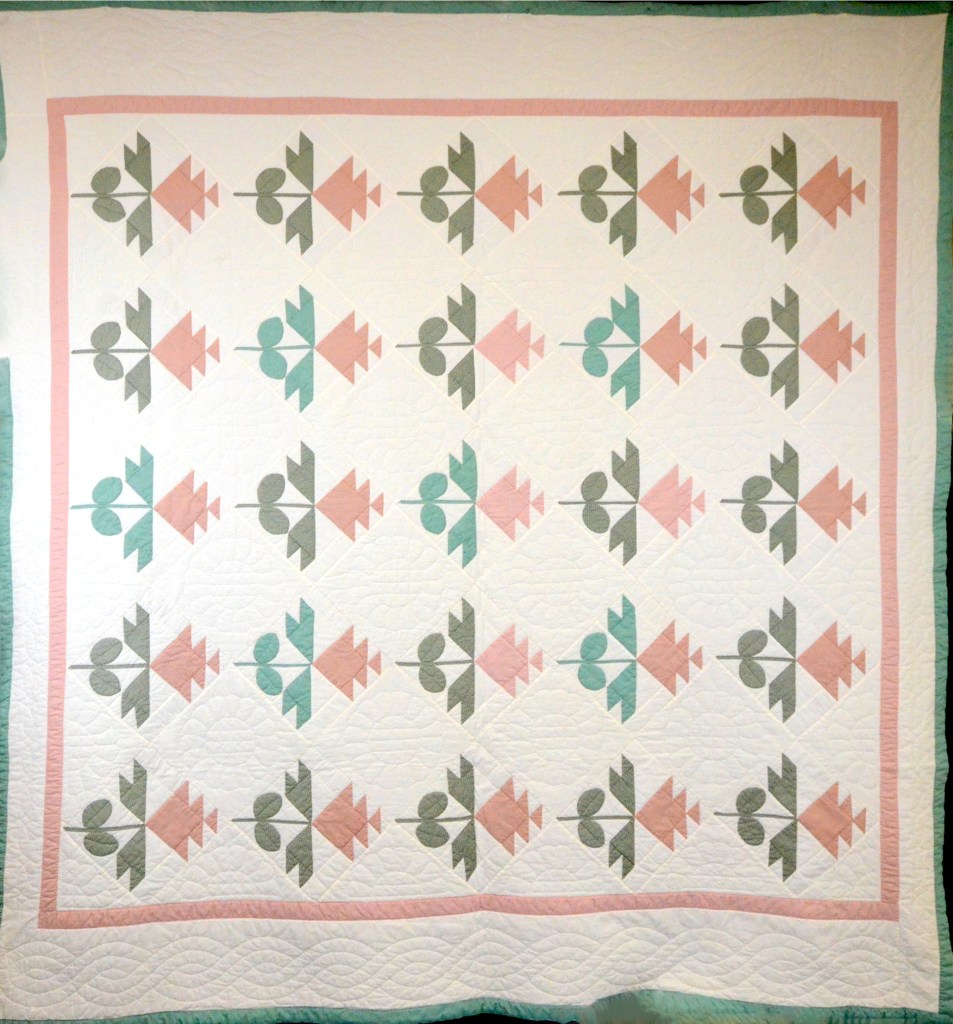
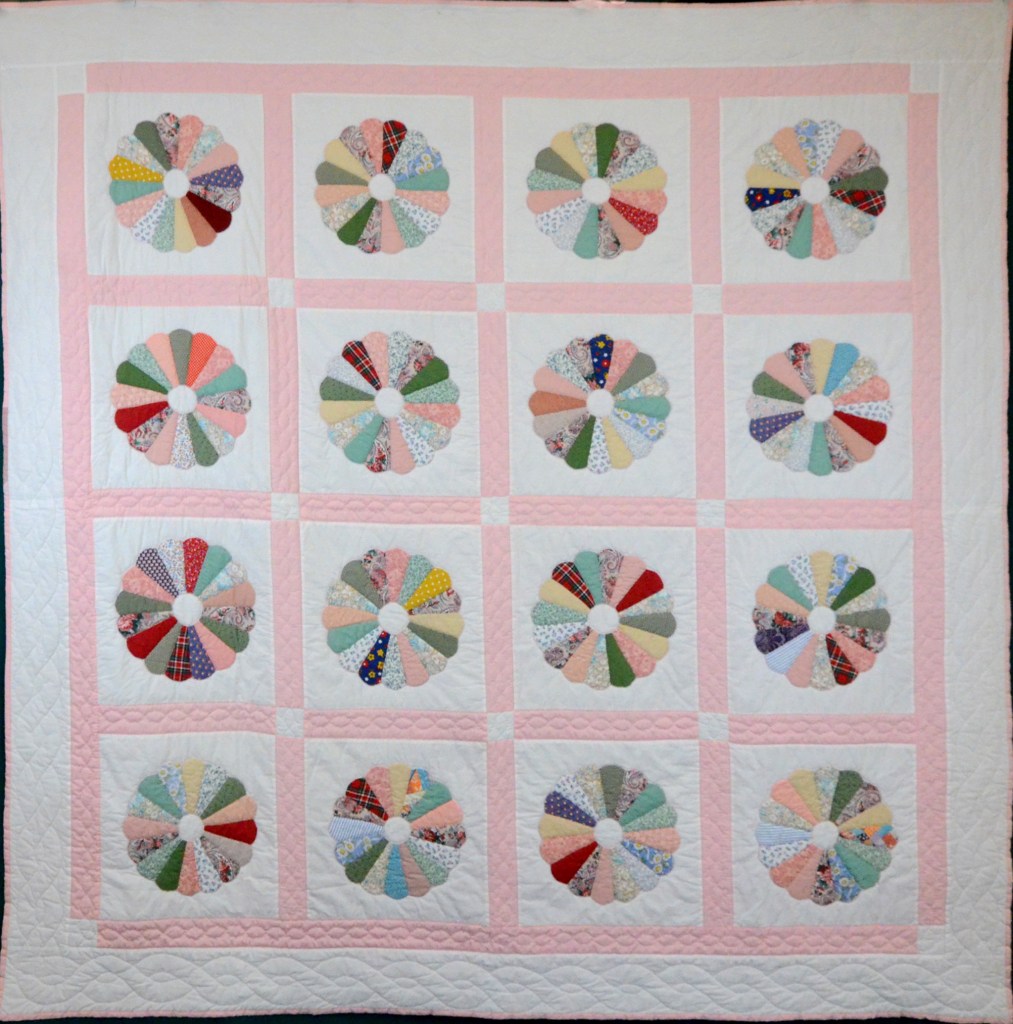
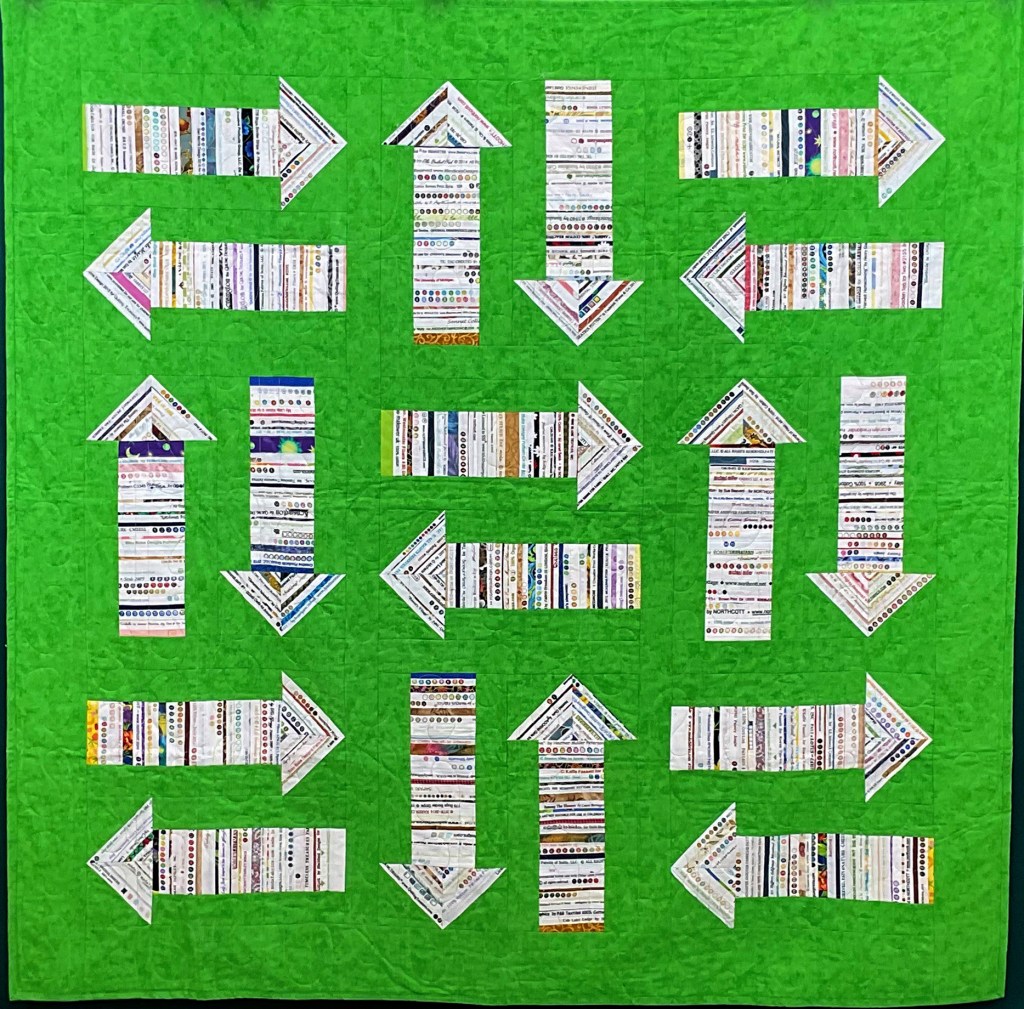
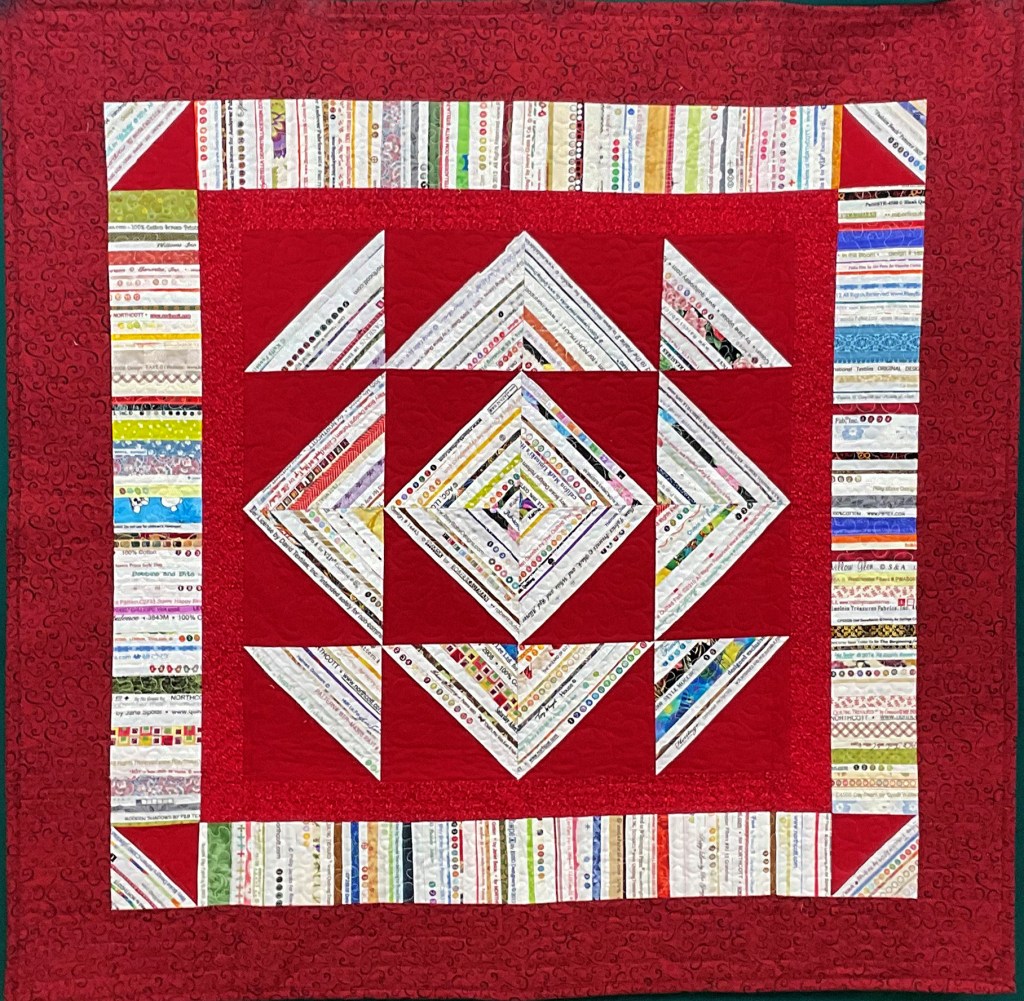
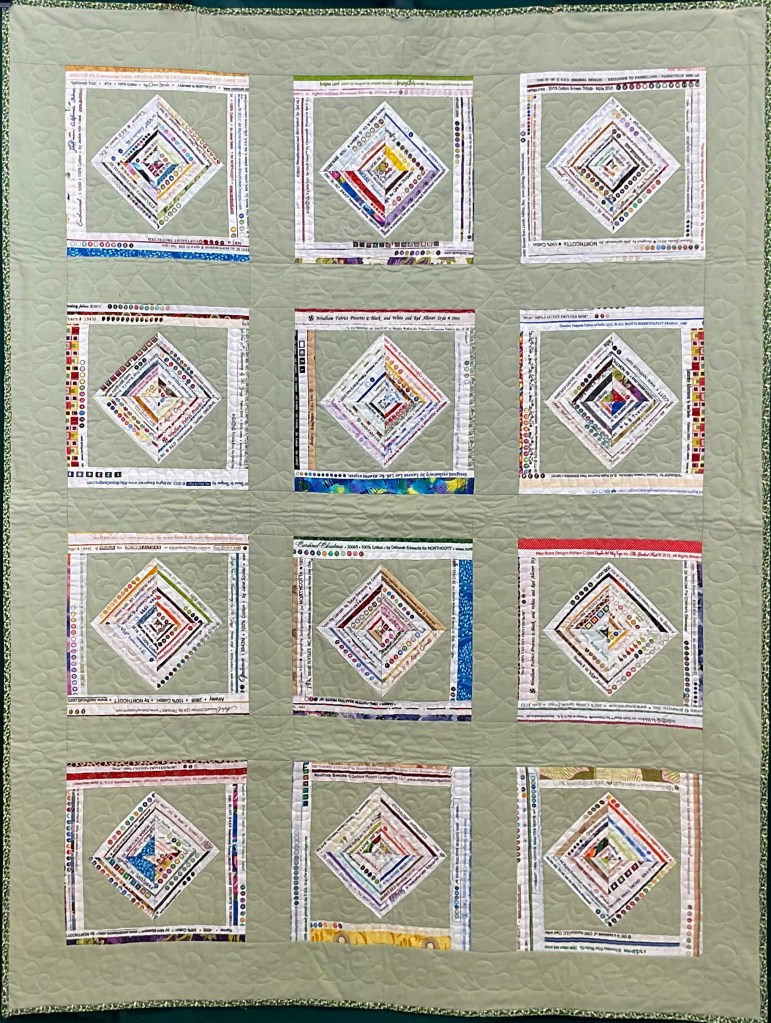
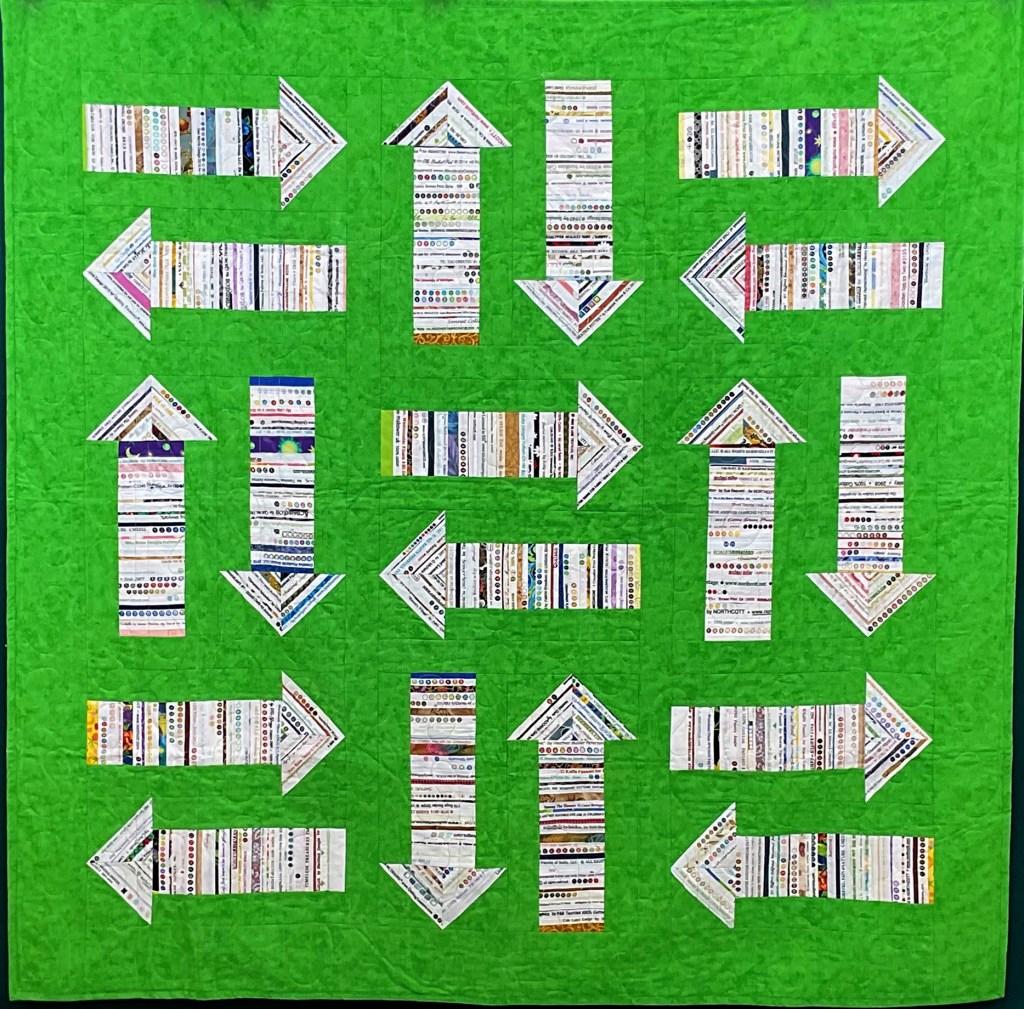
Selvages Quilts (left to right), #148, #149, #150
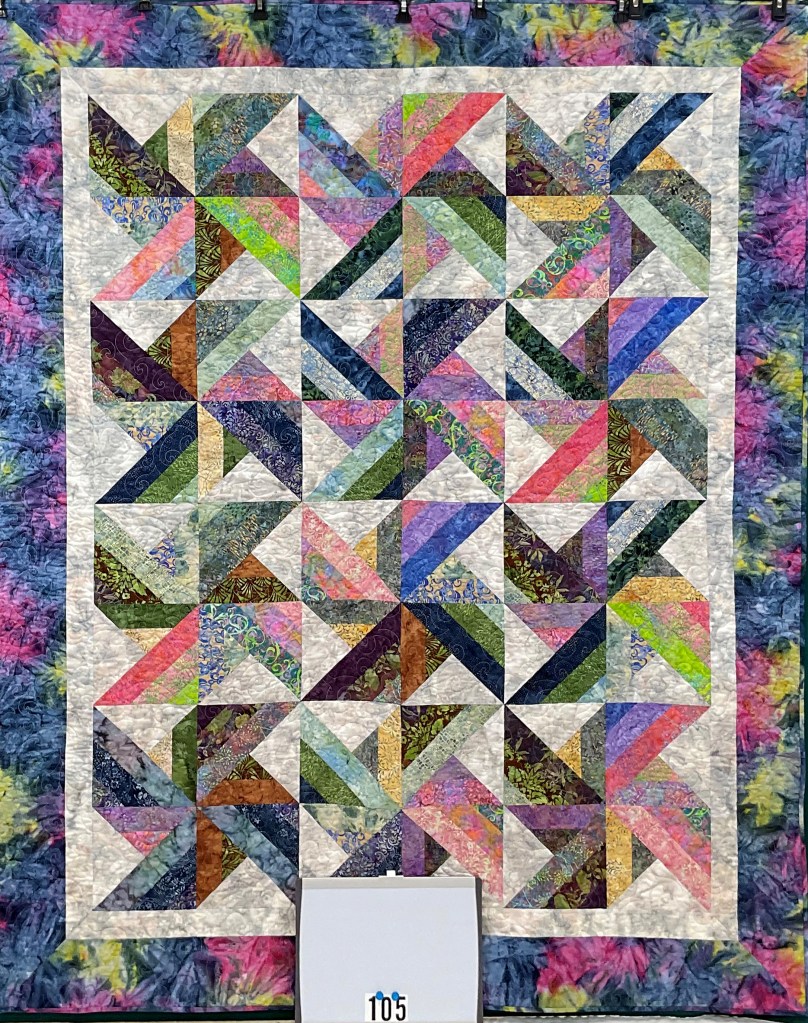
Sharpe, Lisa – Quilts(left to right) #023 & #105
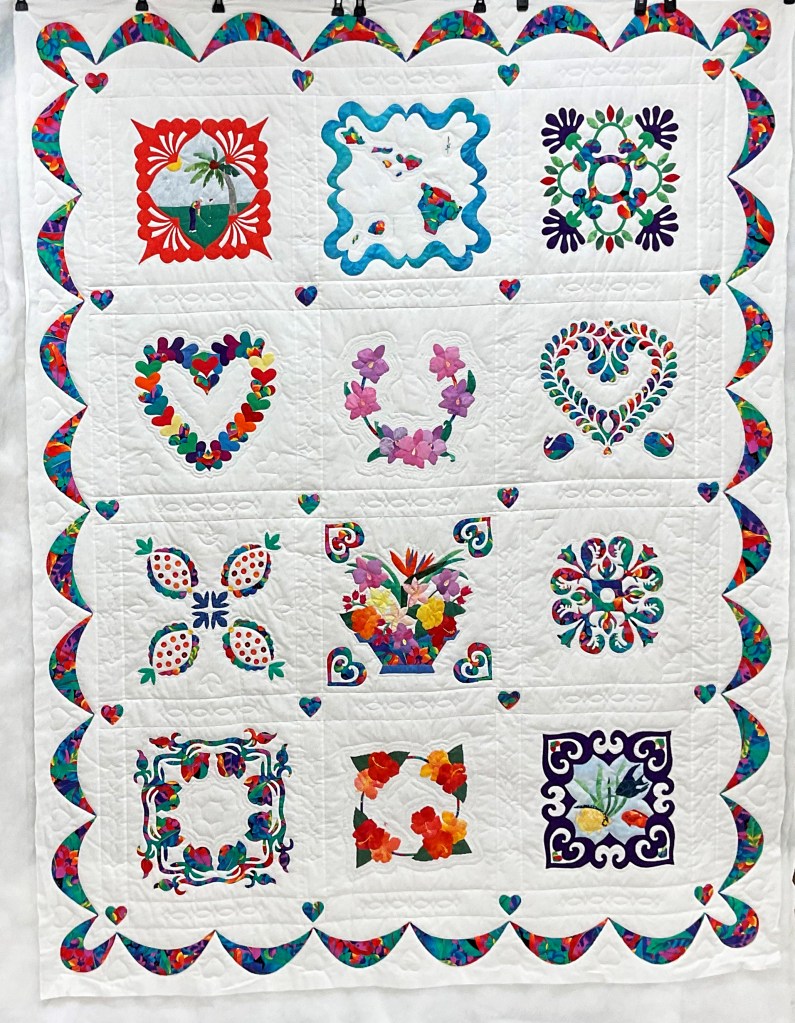
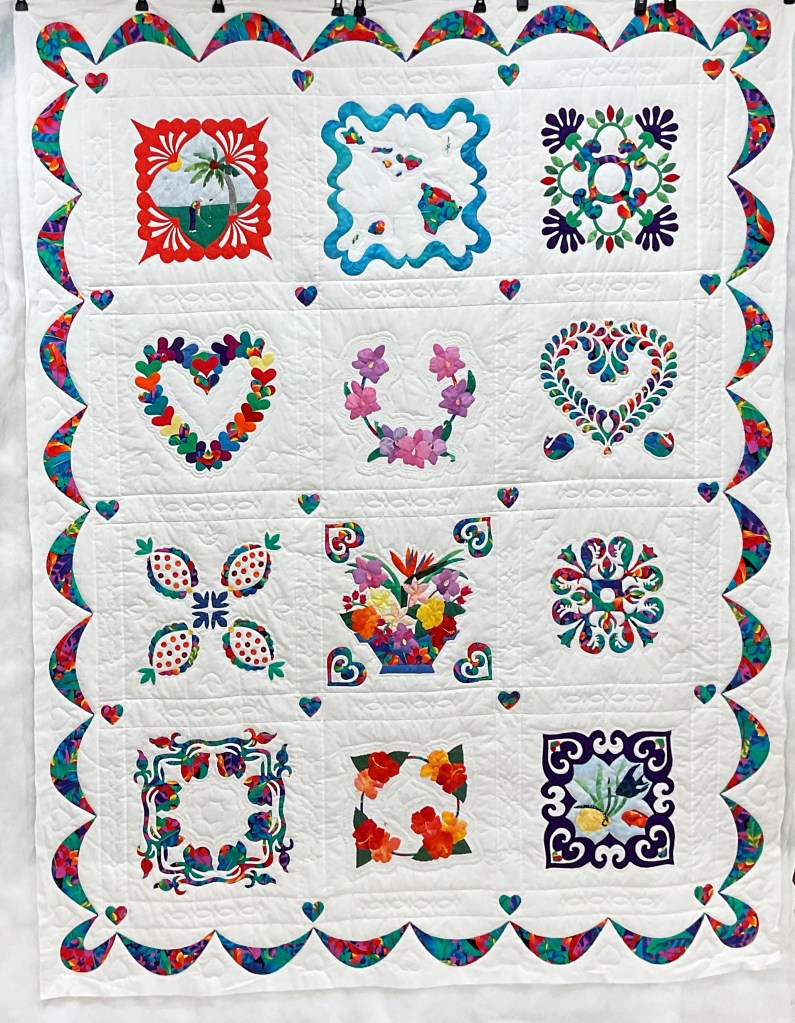
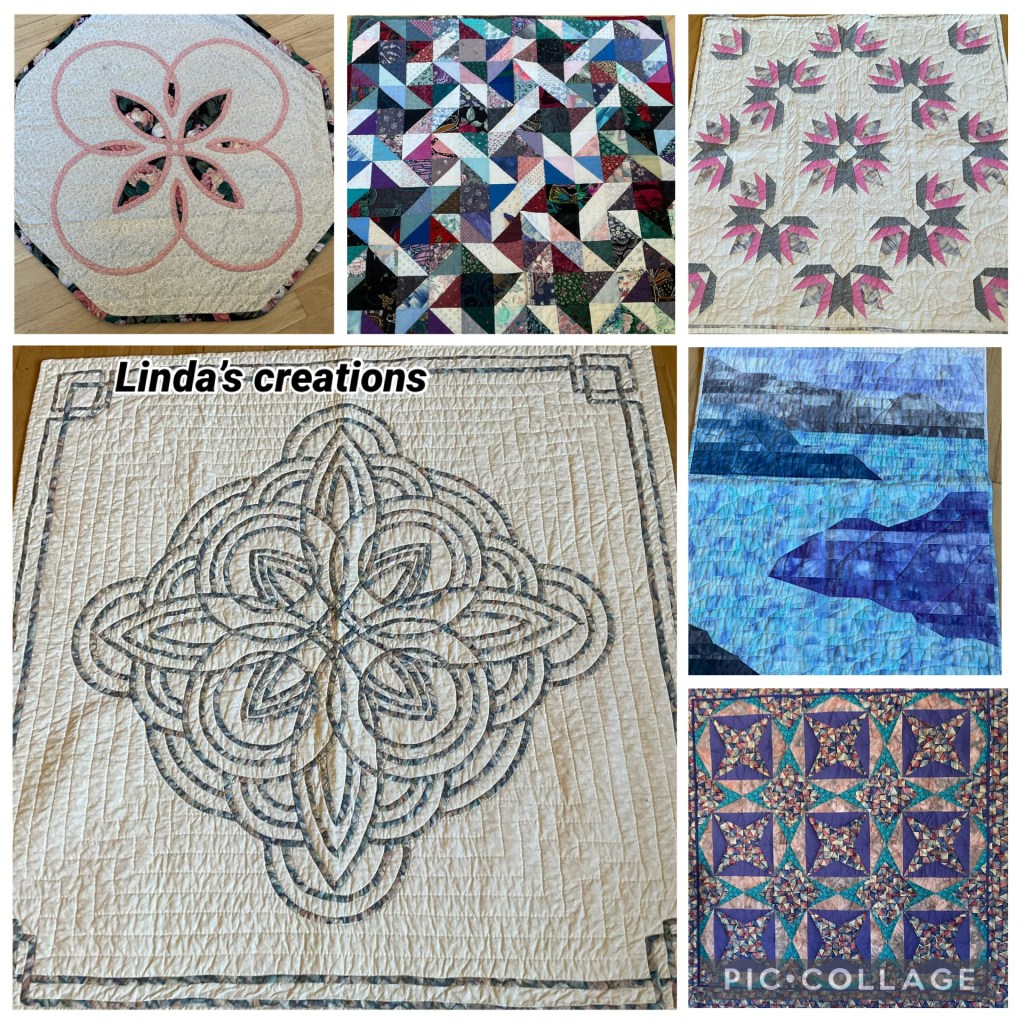
Shaw, Linda – Quilt #305
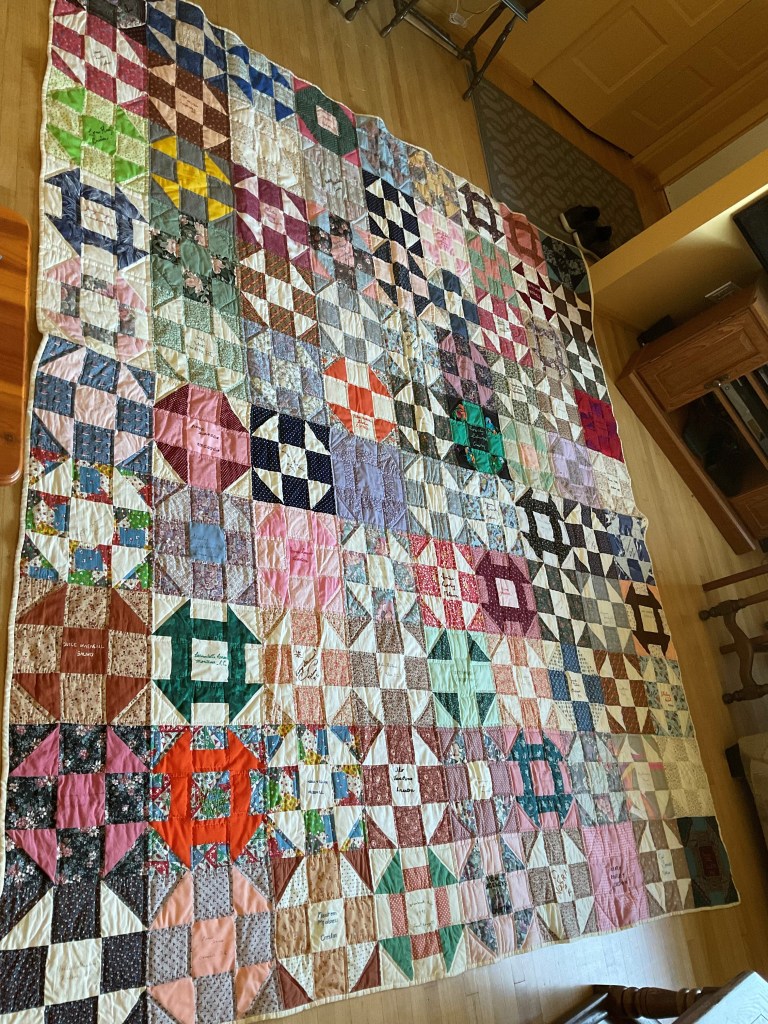
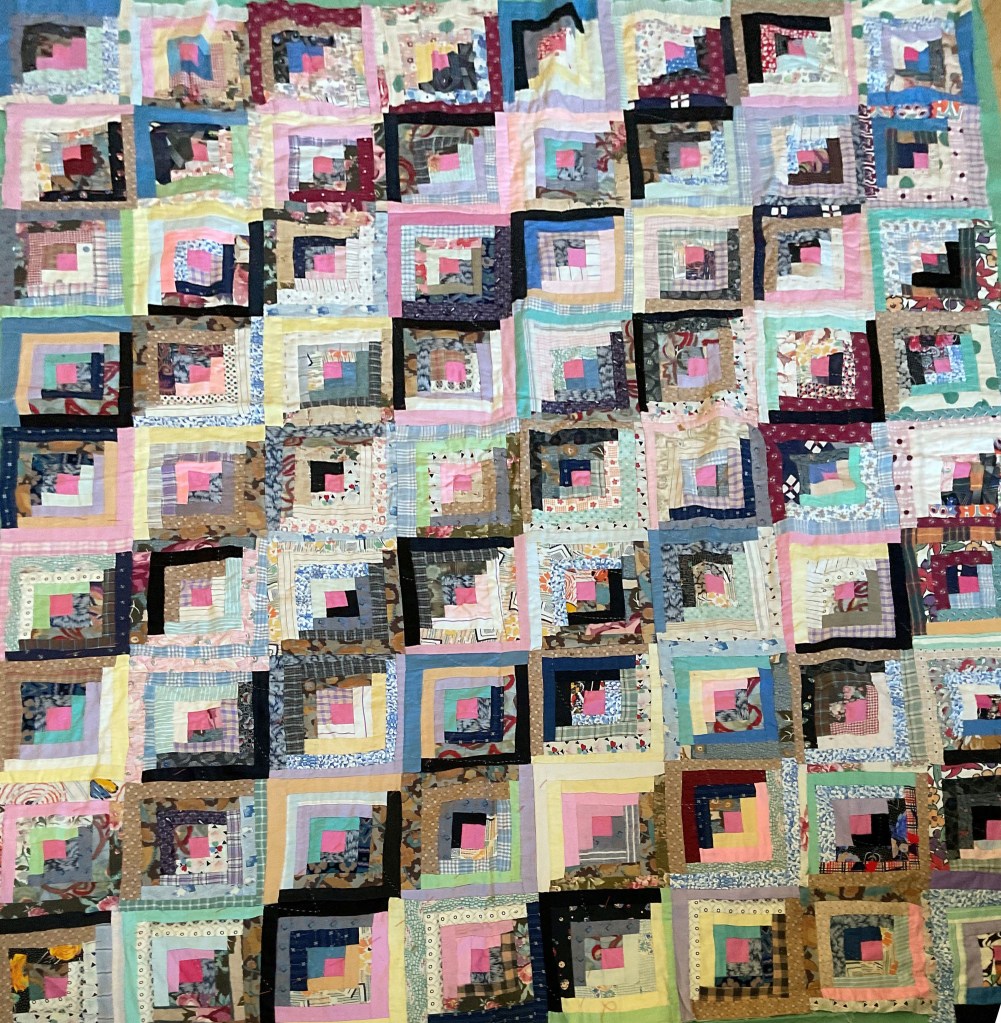
Shimmering Triangles Workshop Quilts (left to right) #082 & #083
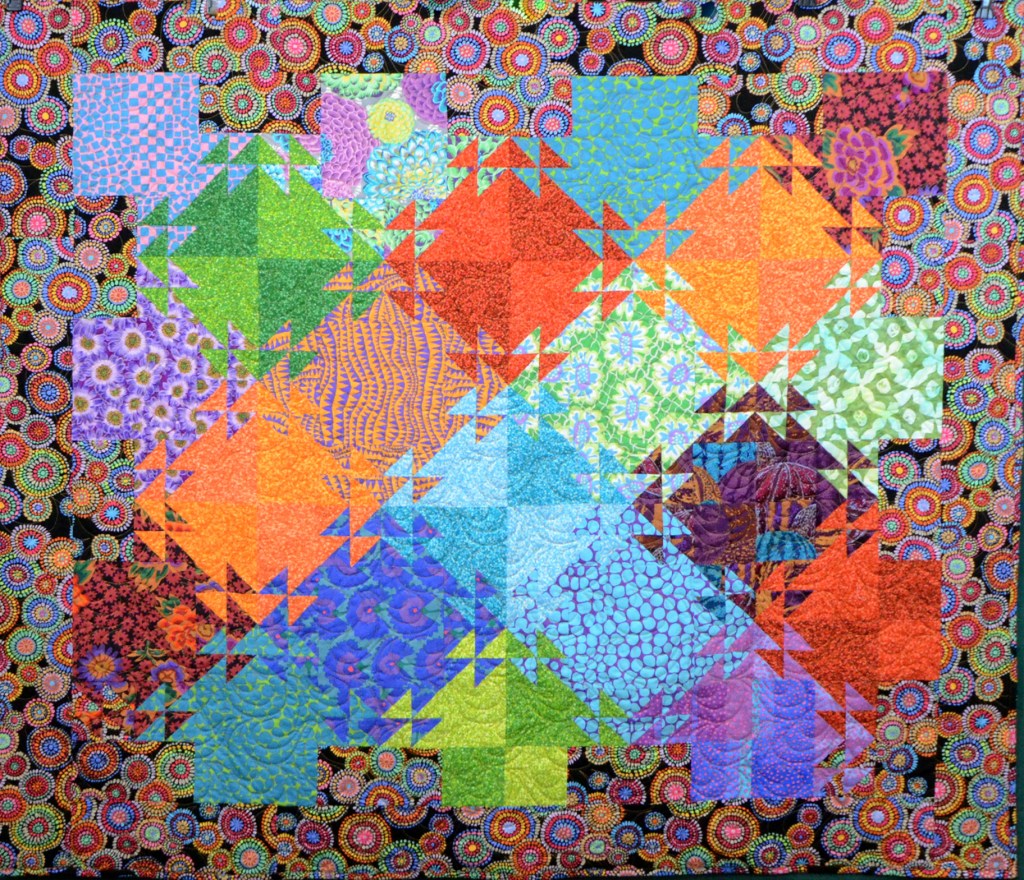
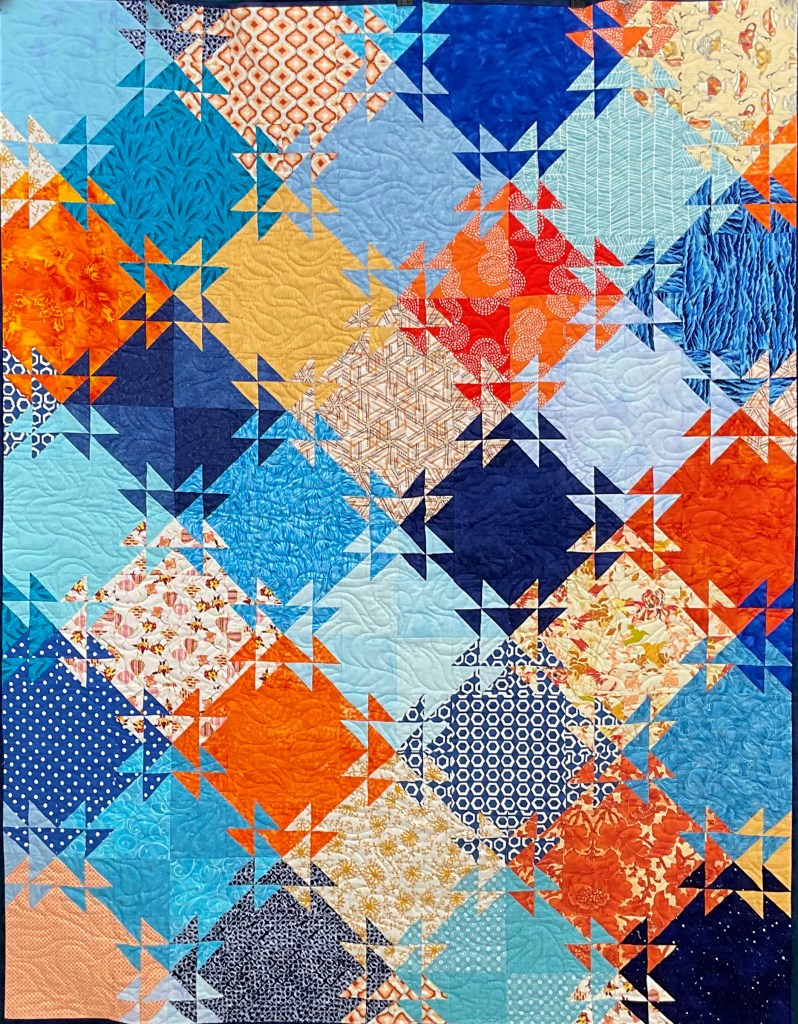
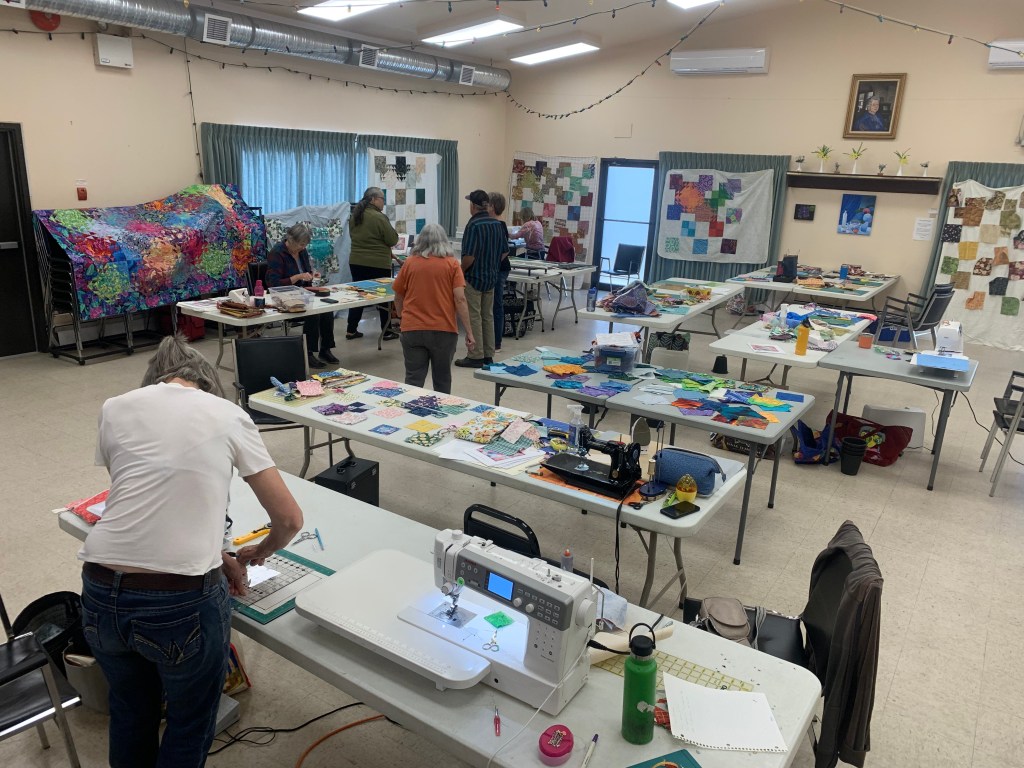
Skordal, Pat – Quilt #129
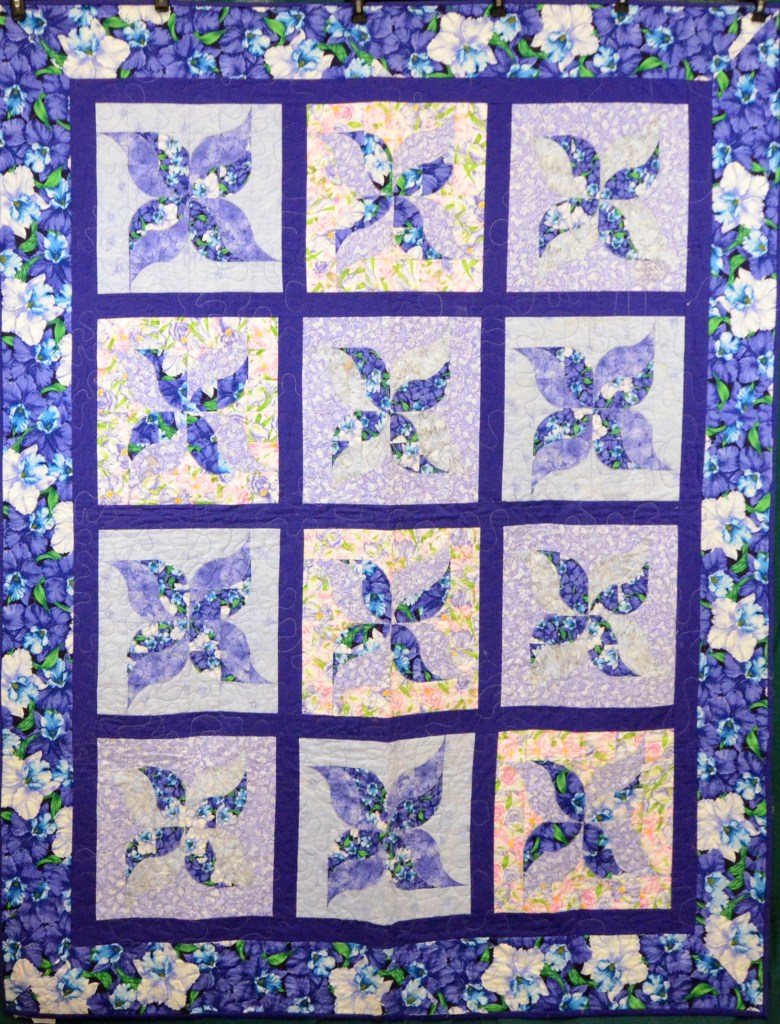
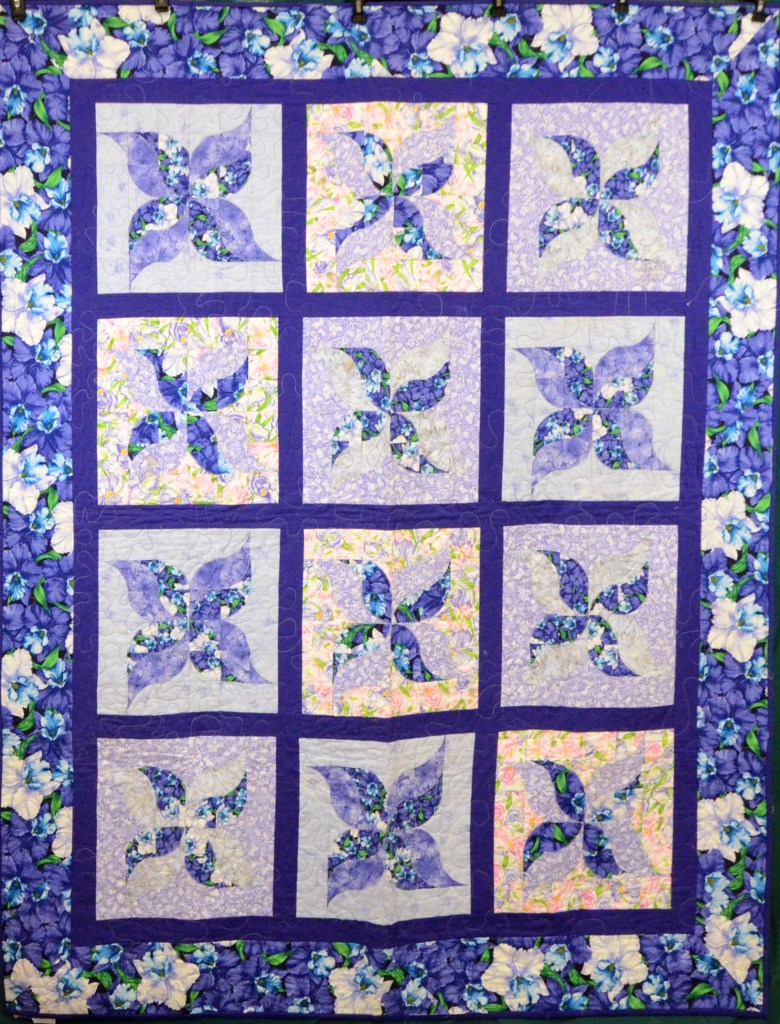
Stapleton, Ellen – Quilts (left to right) #092, #093, #094, #095
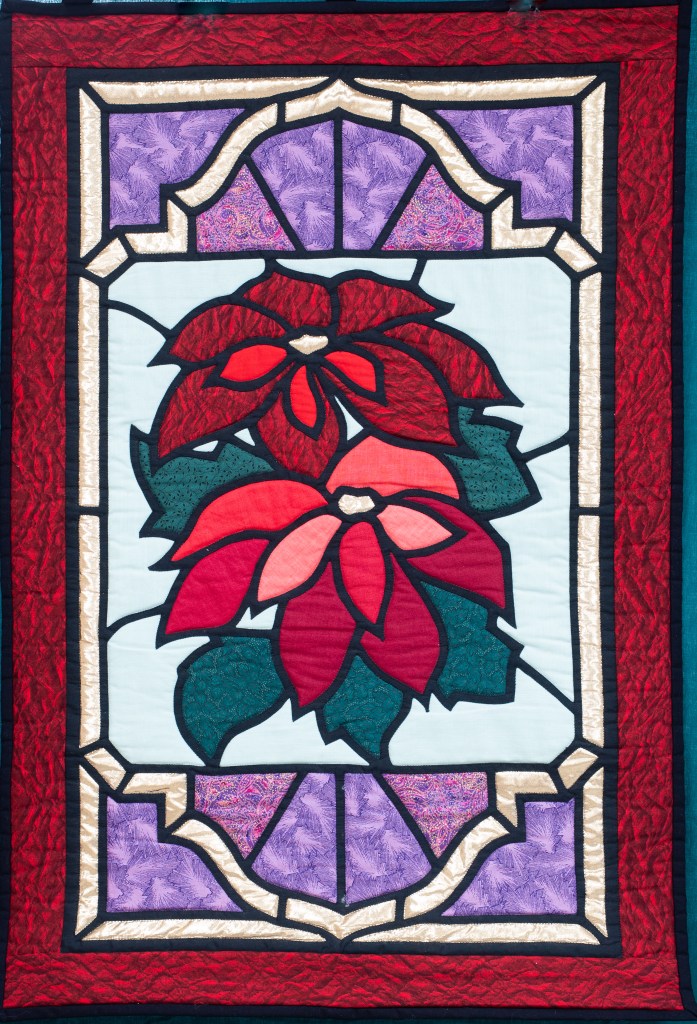
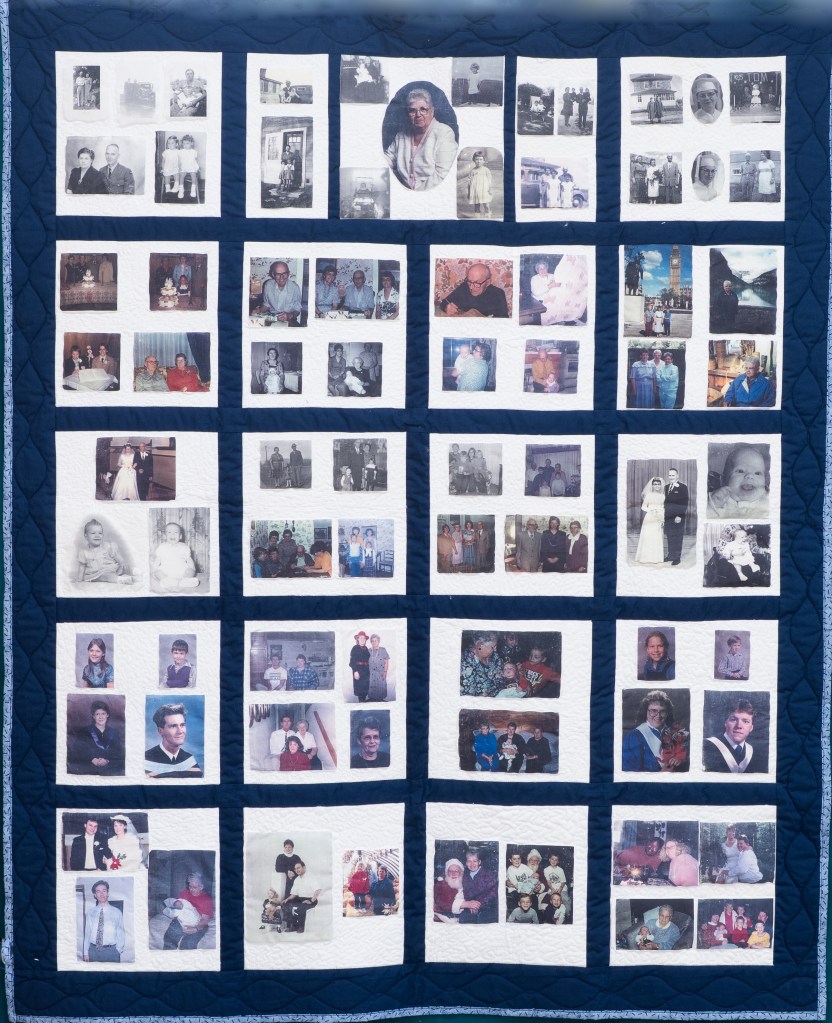
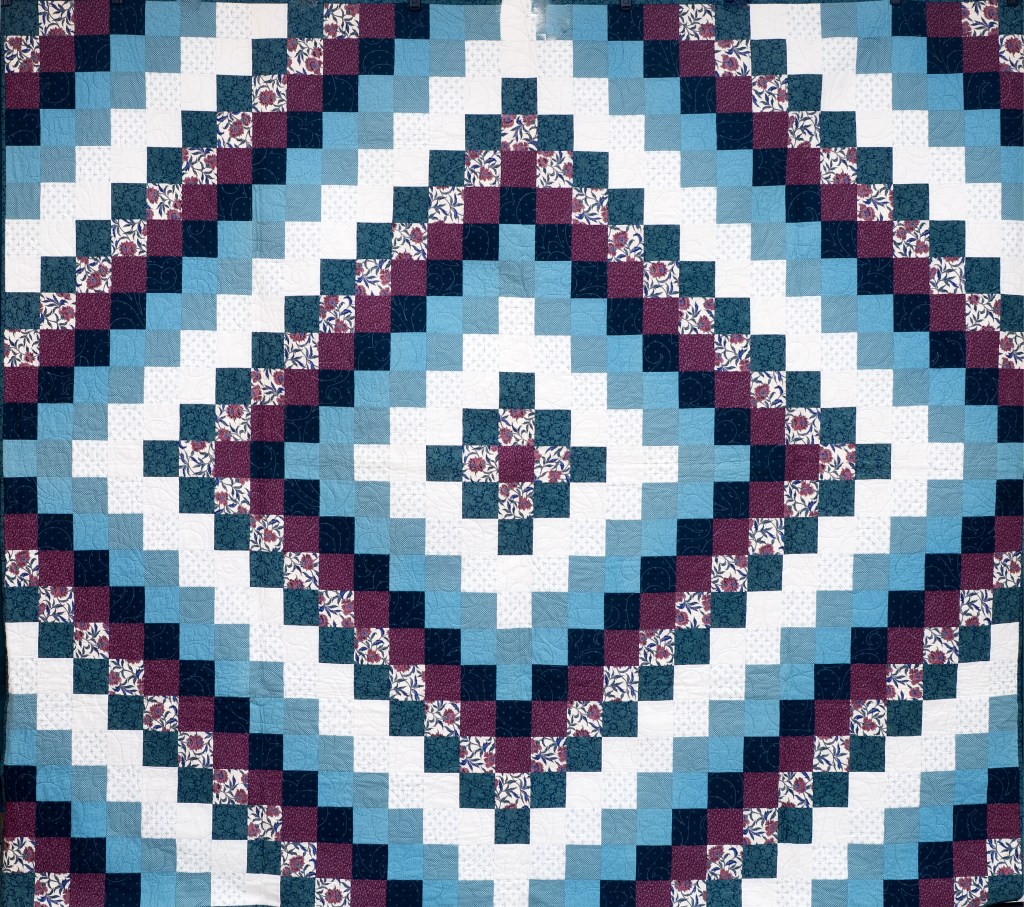
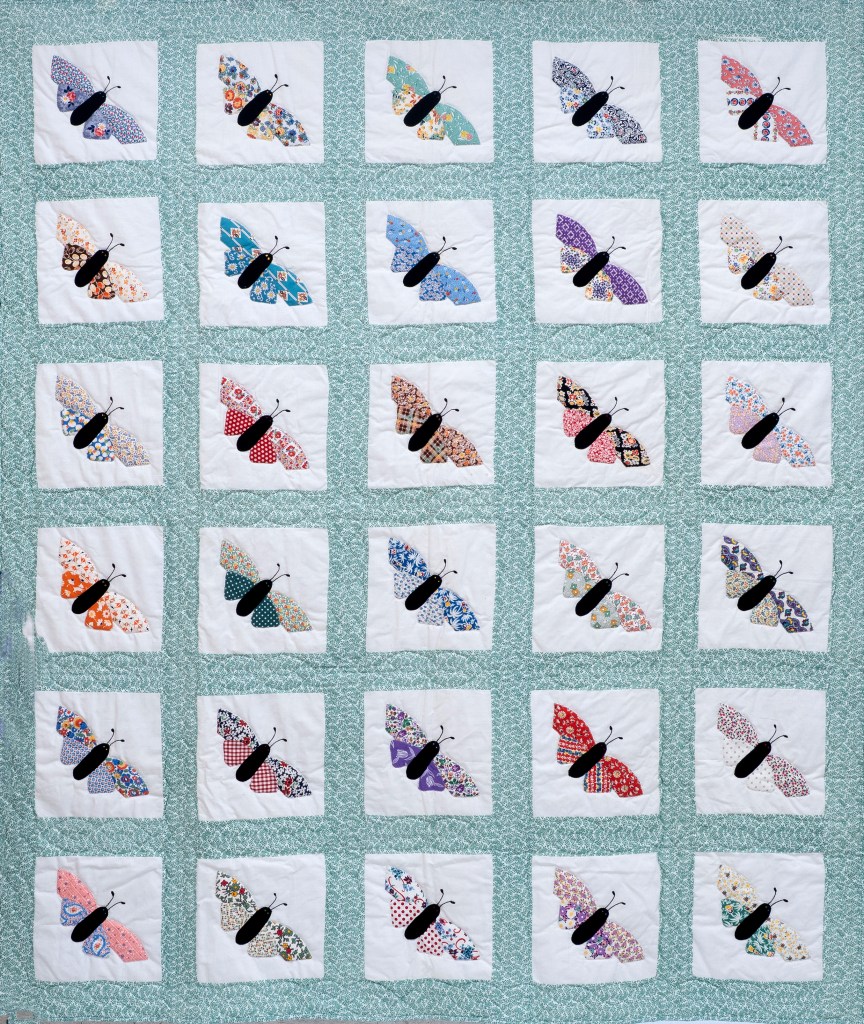
Stein, Ivey-Lynne – Quilt #037
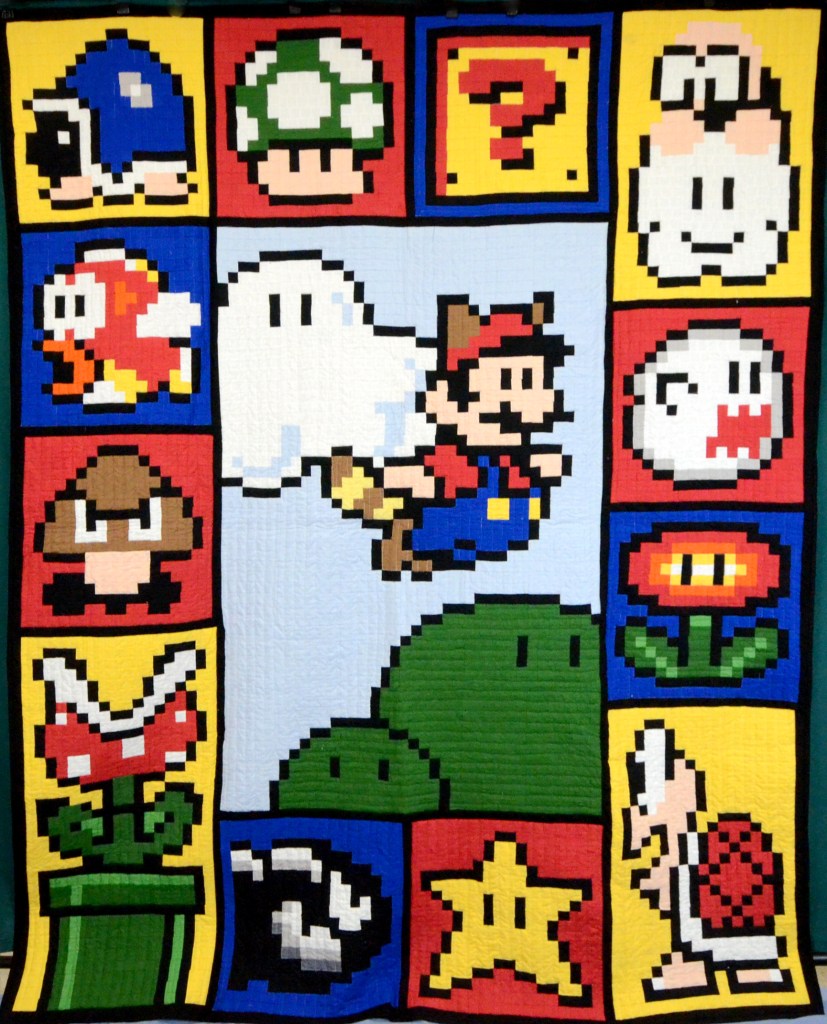

Taylor, Robin – Quilt #034
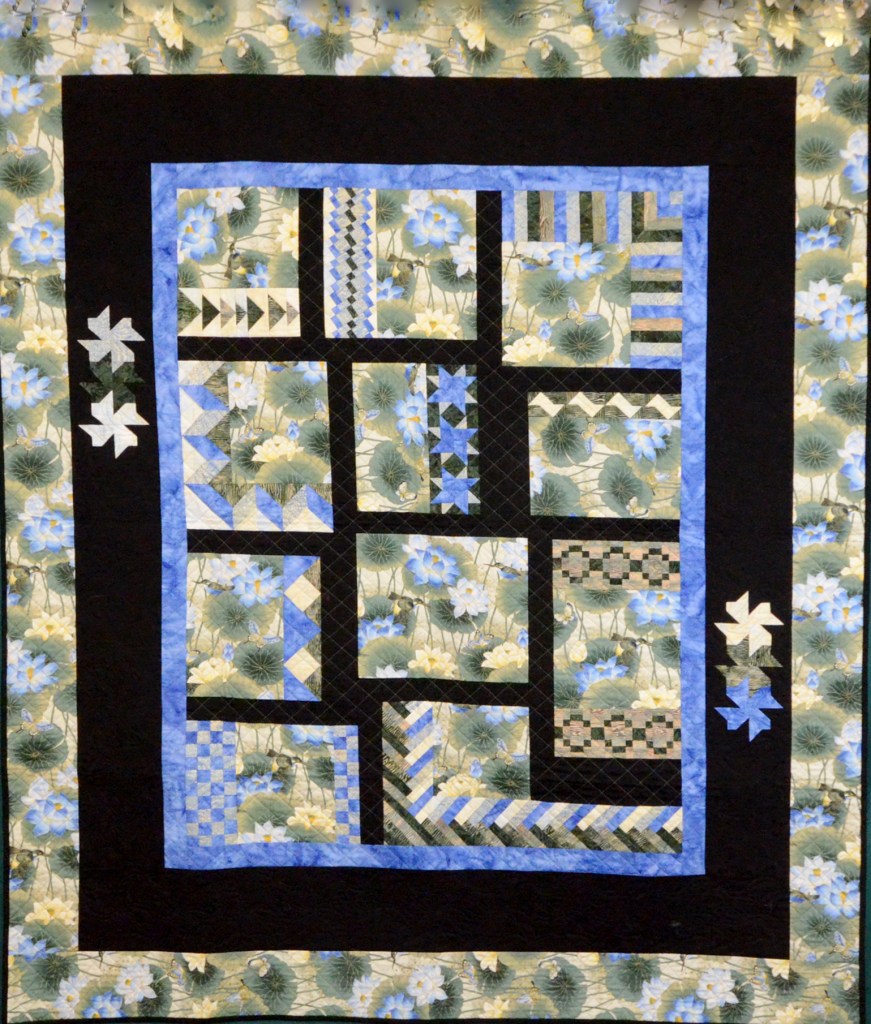
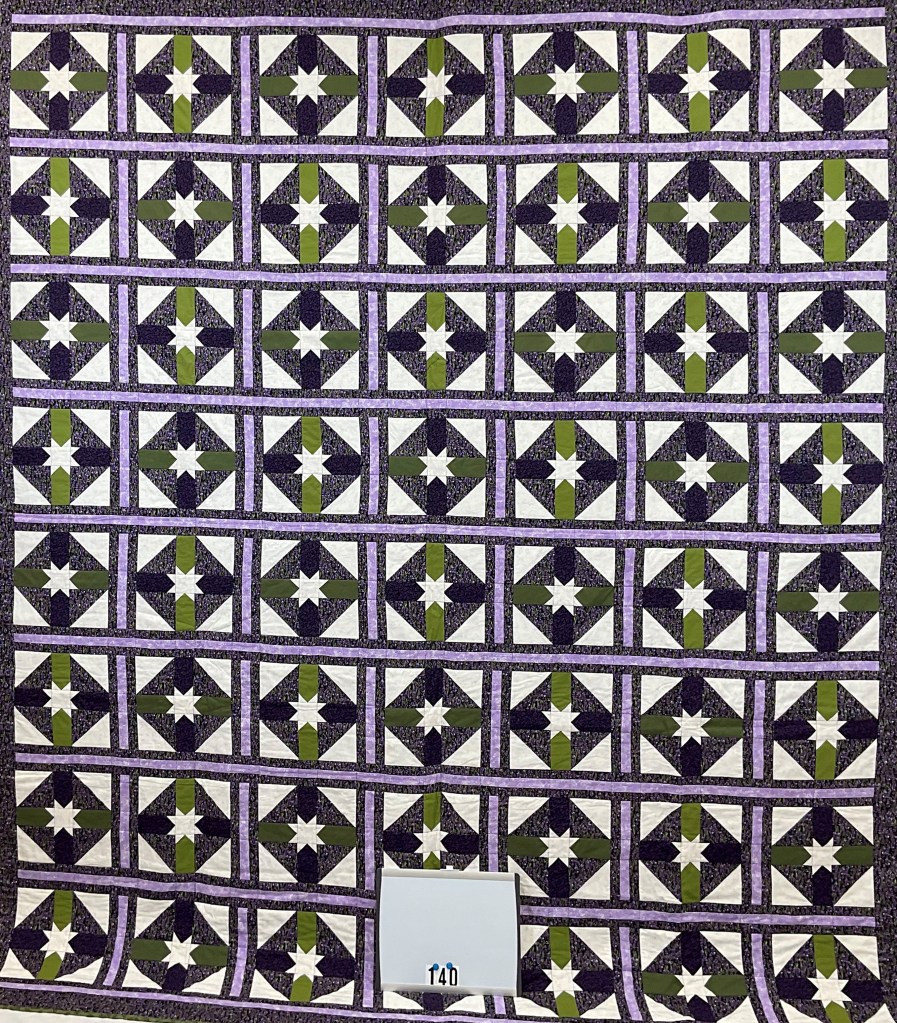
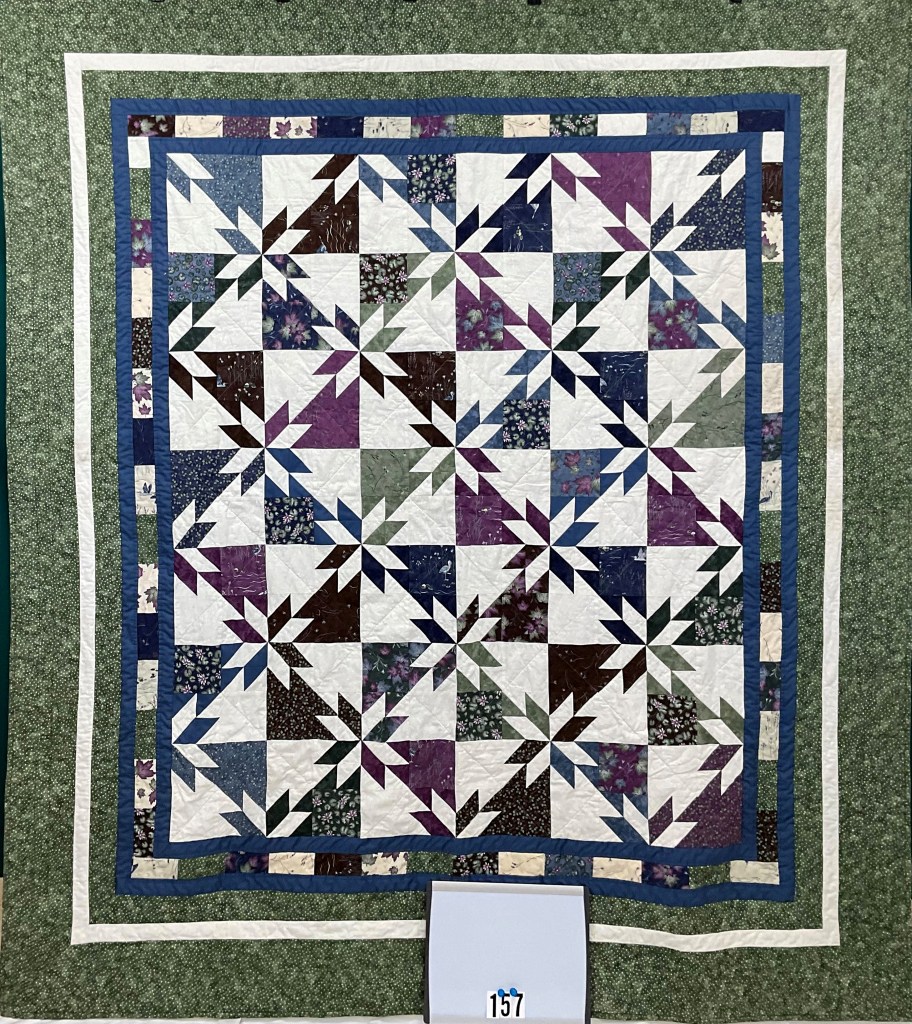
Thorbergson, Joyce – Quilts (left to right) #139, #140 & #157
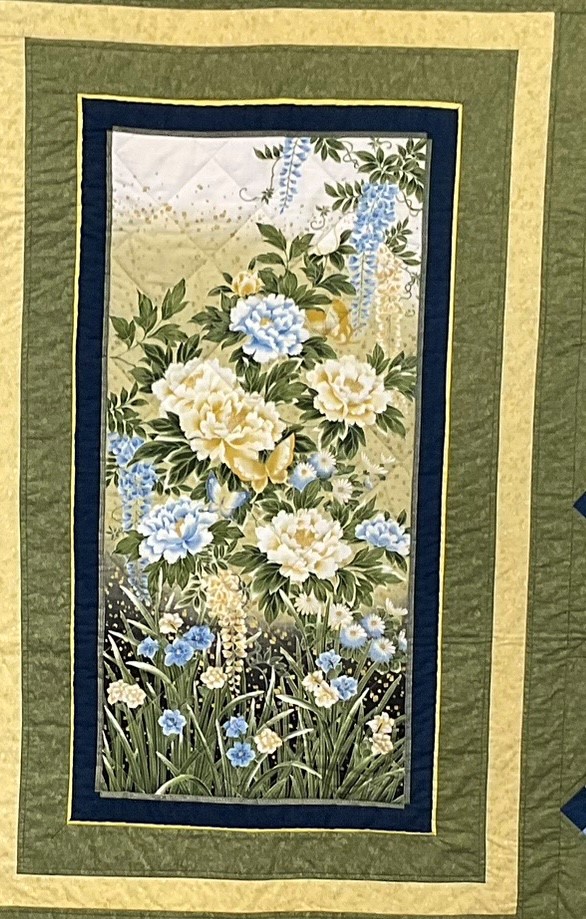
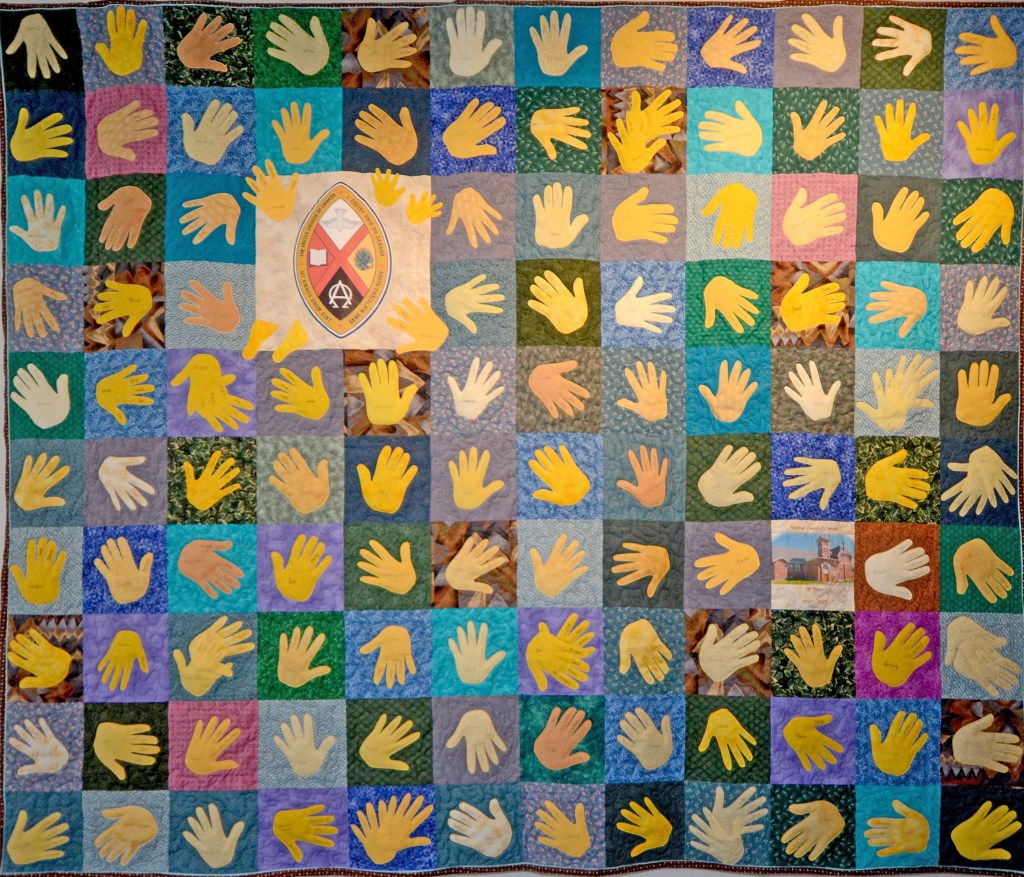
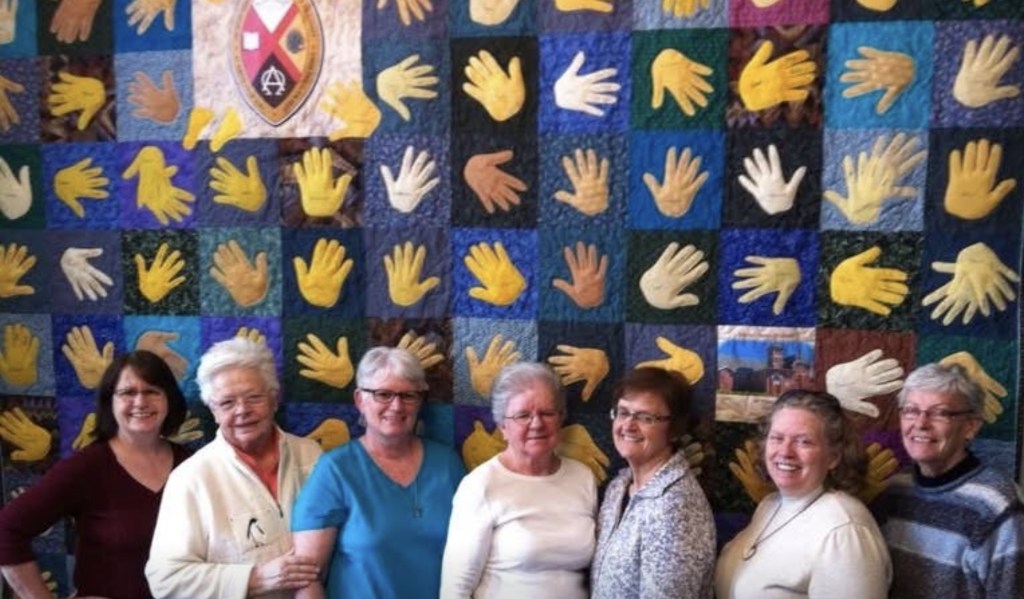
United Church Congregation Quilt #077
Valin, Betty – Quilt #127
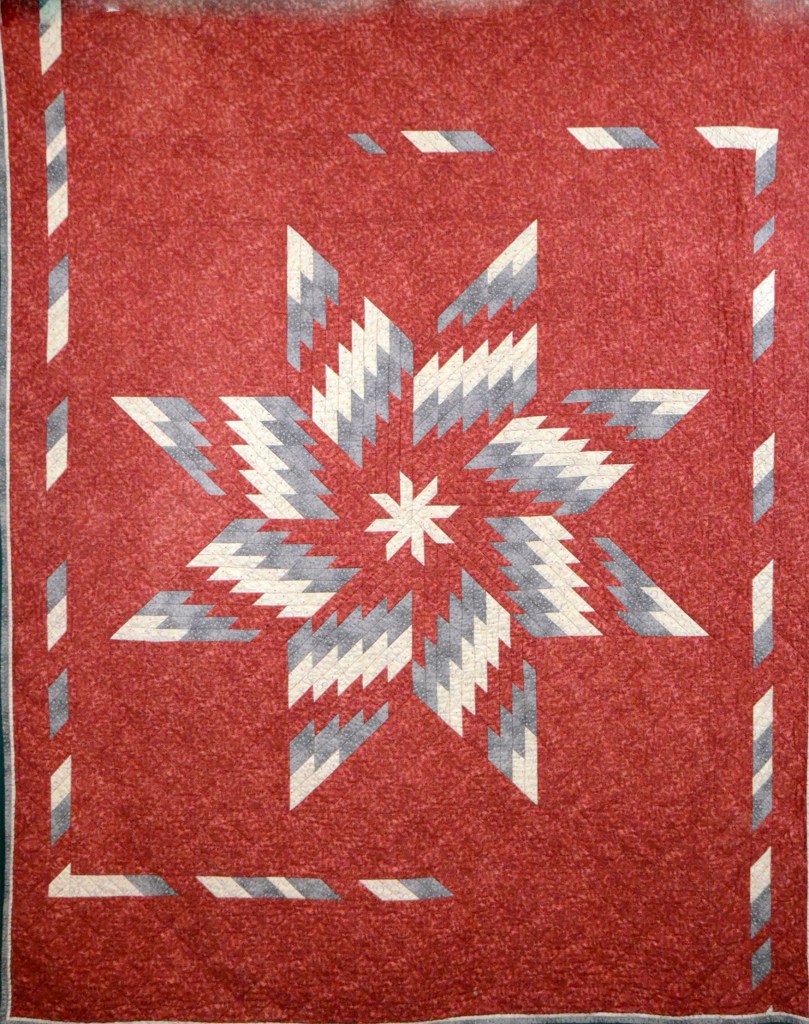
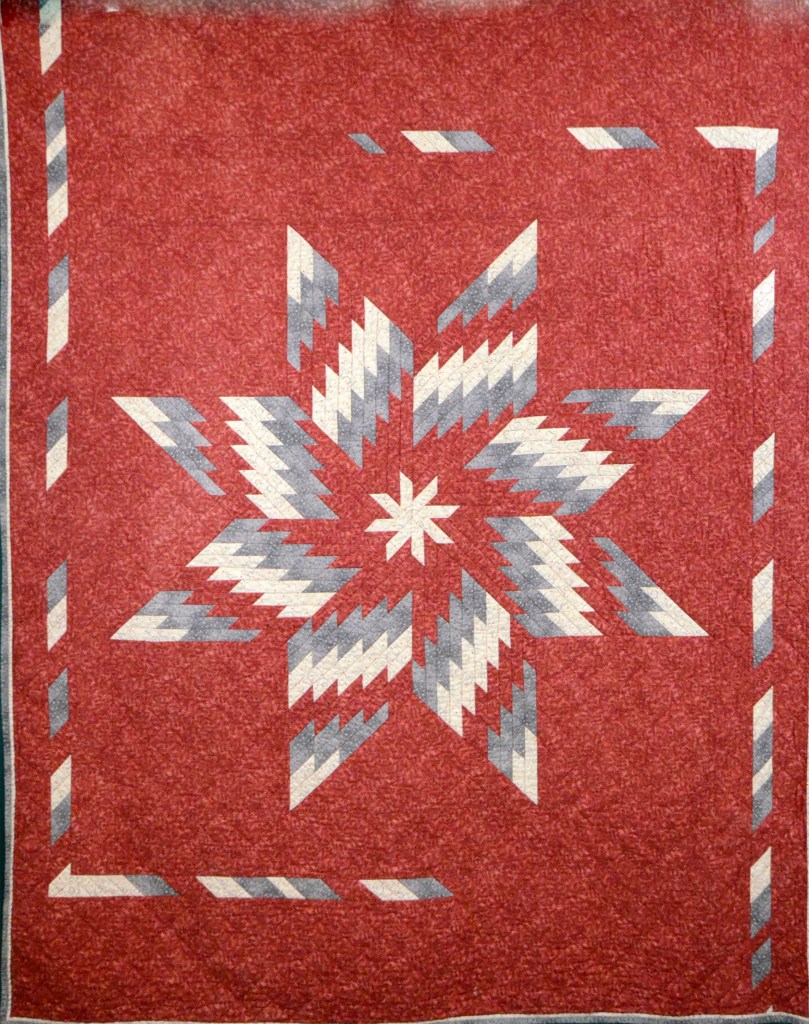
Wales, Juannane – Quilts (left to right) #079, #106 & #107
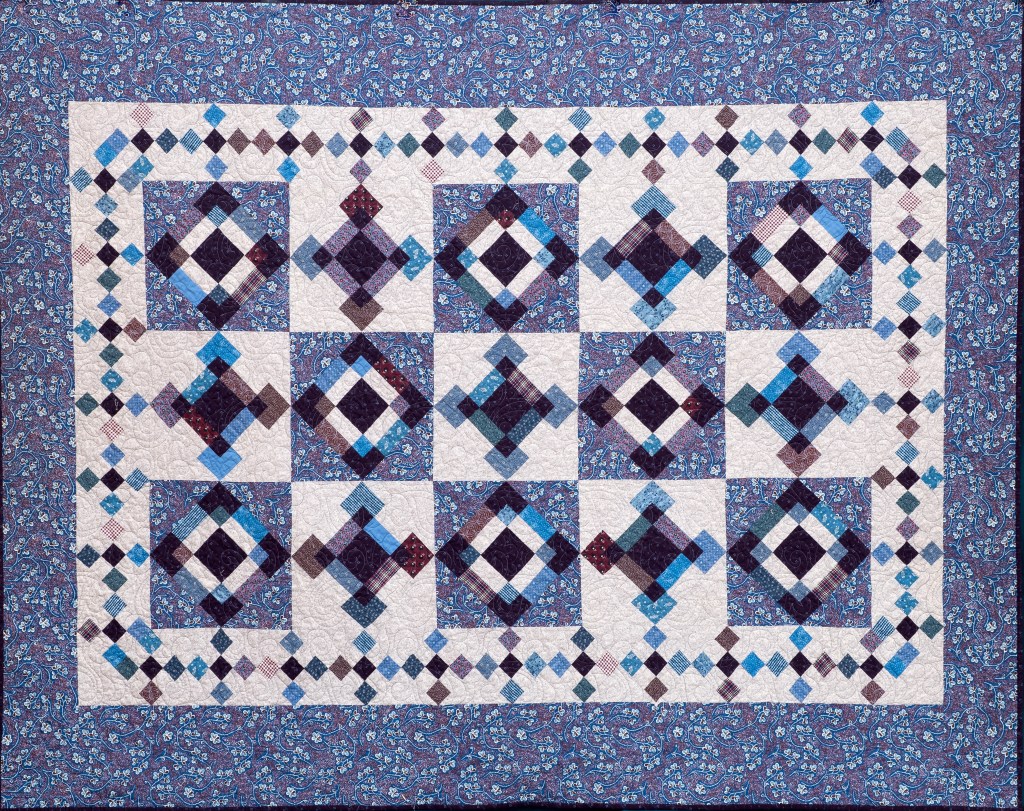
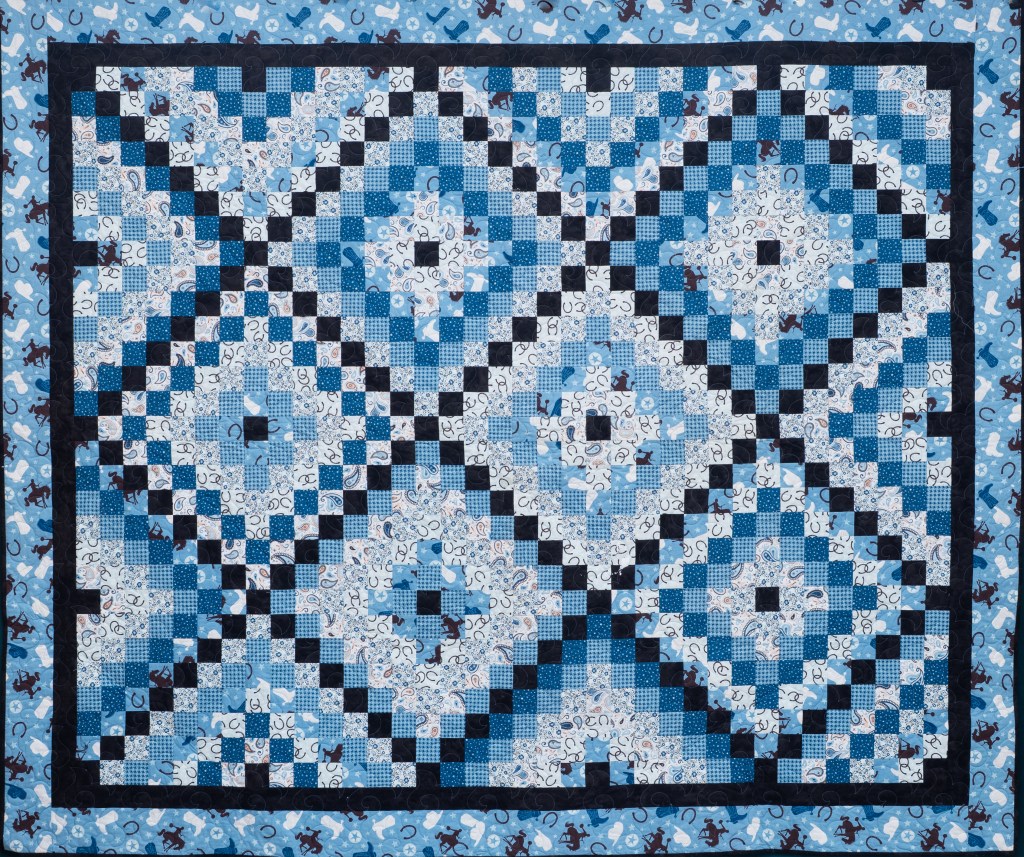
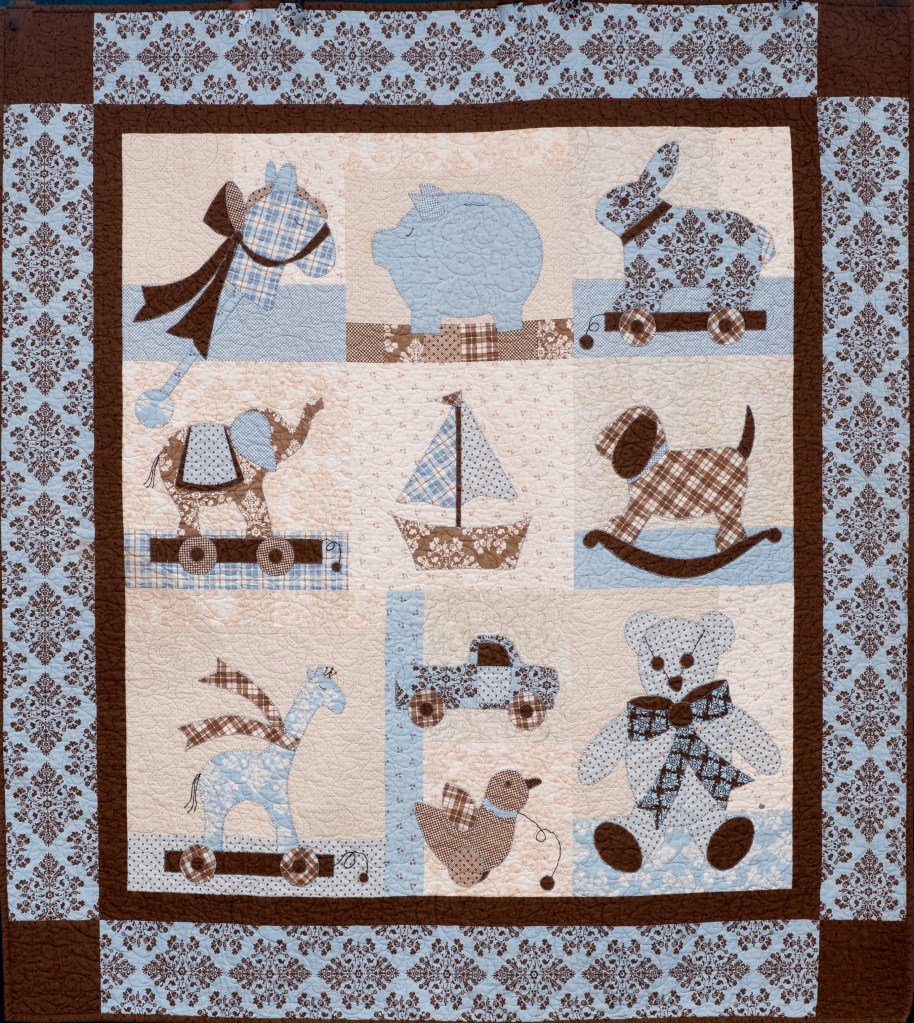
Wardle, Betty – Quilts(left to right) #035, #036 & #050
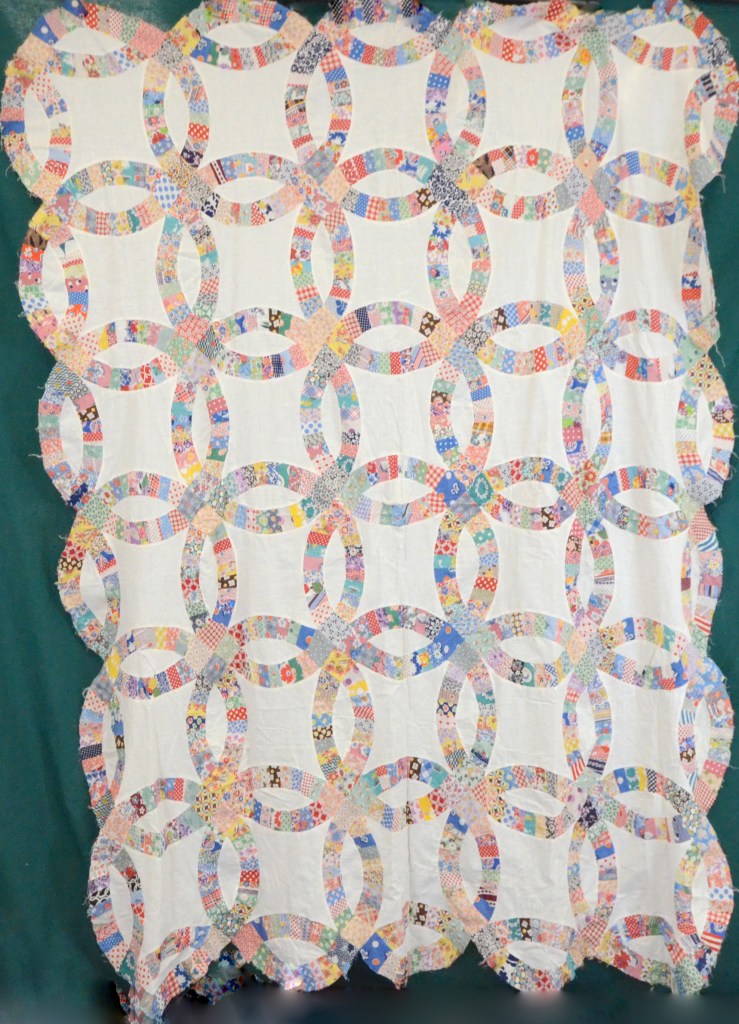
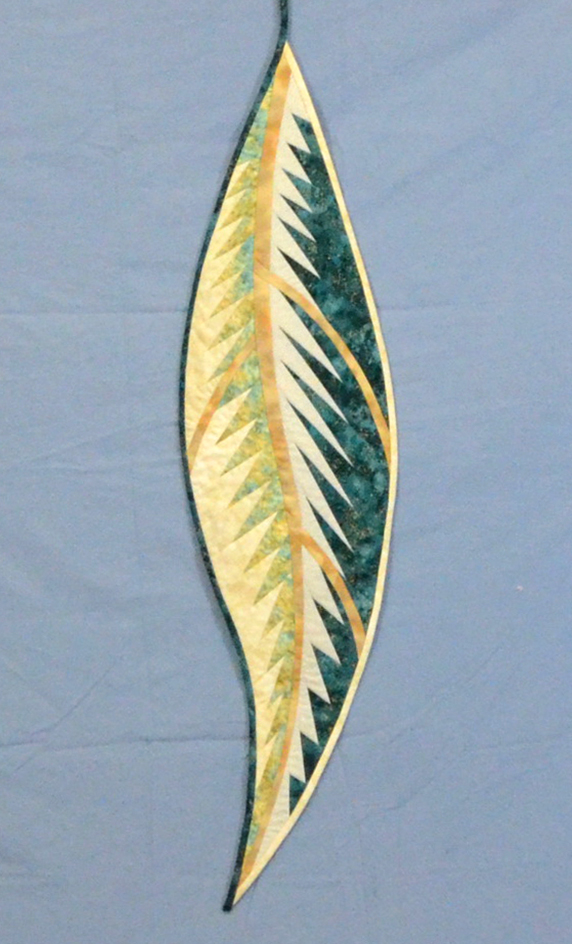
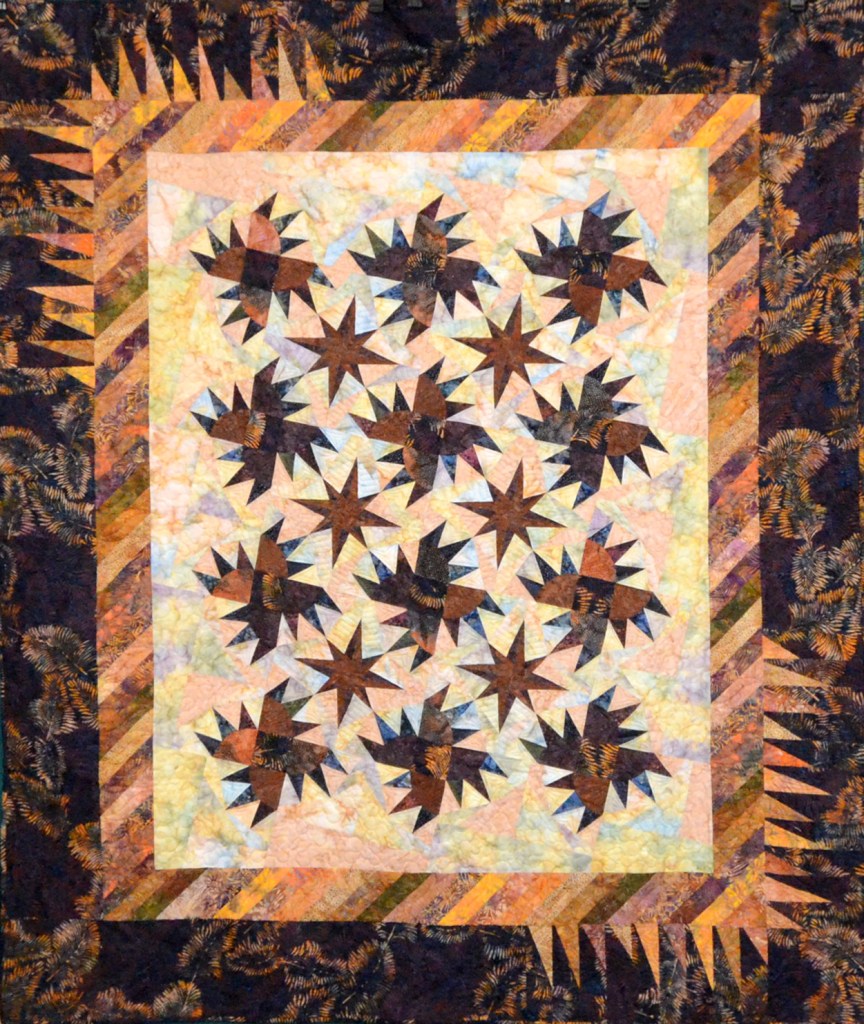
Wesley, Linda – Quilts (left to right)#041 & #109
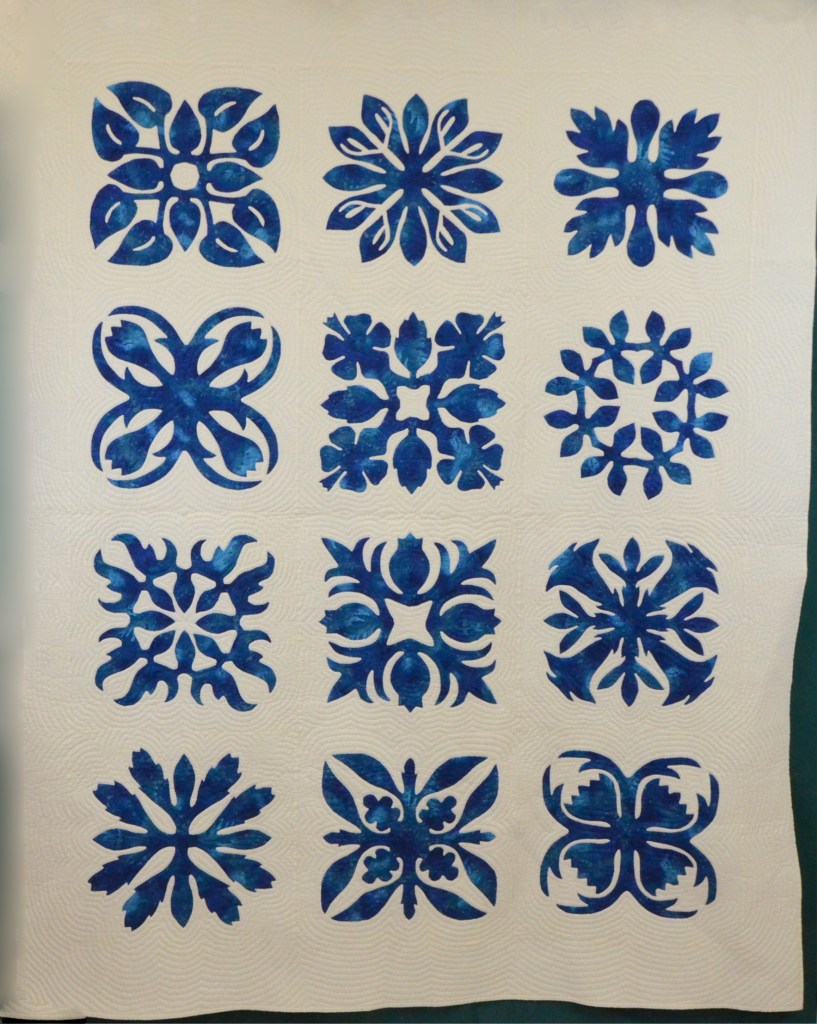
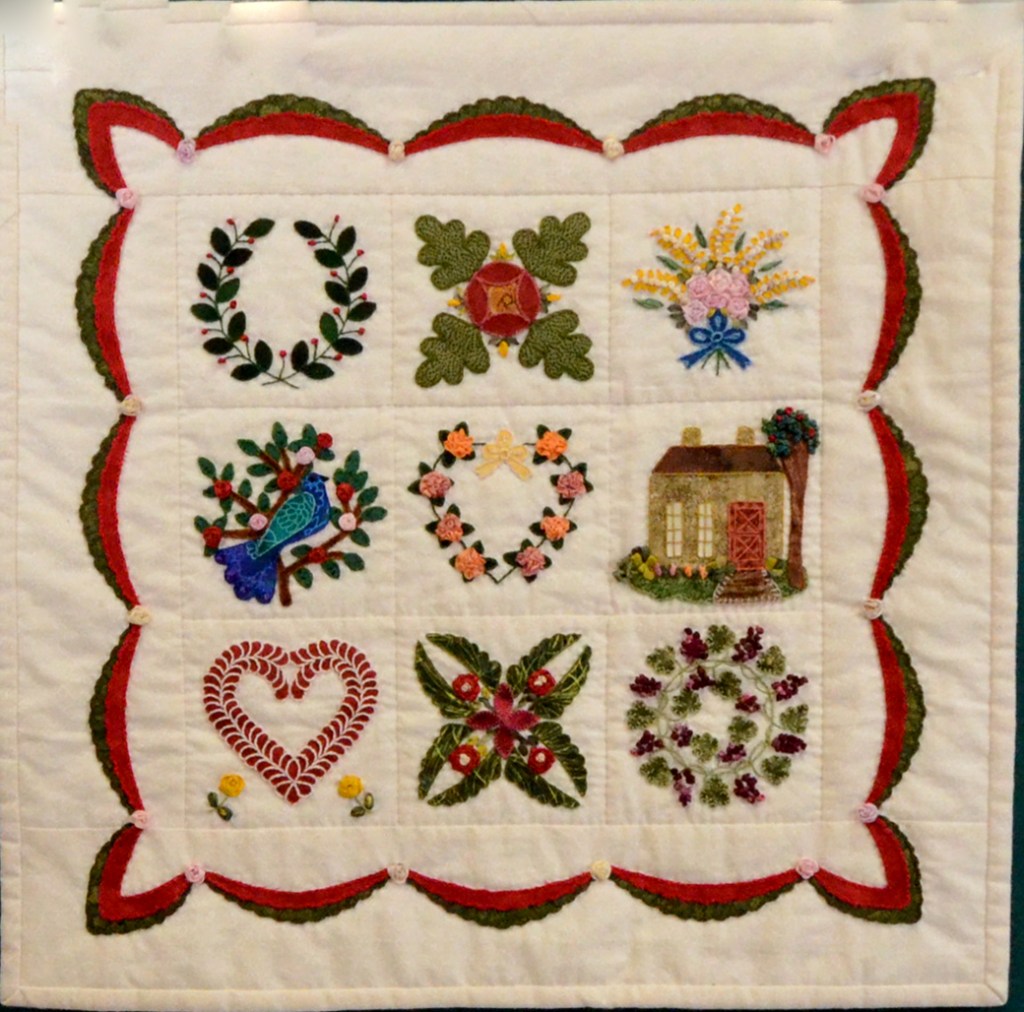
White, Shirley – Quilt #300
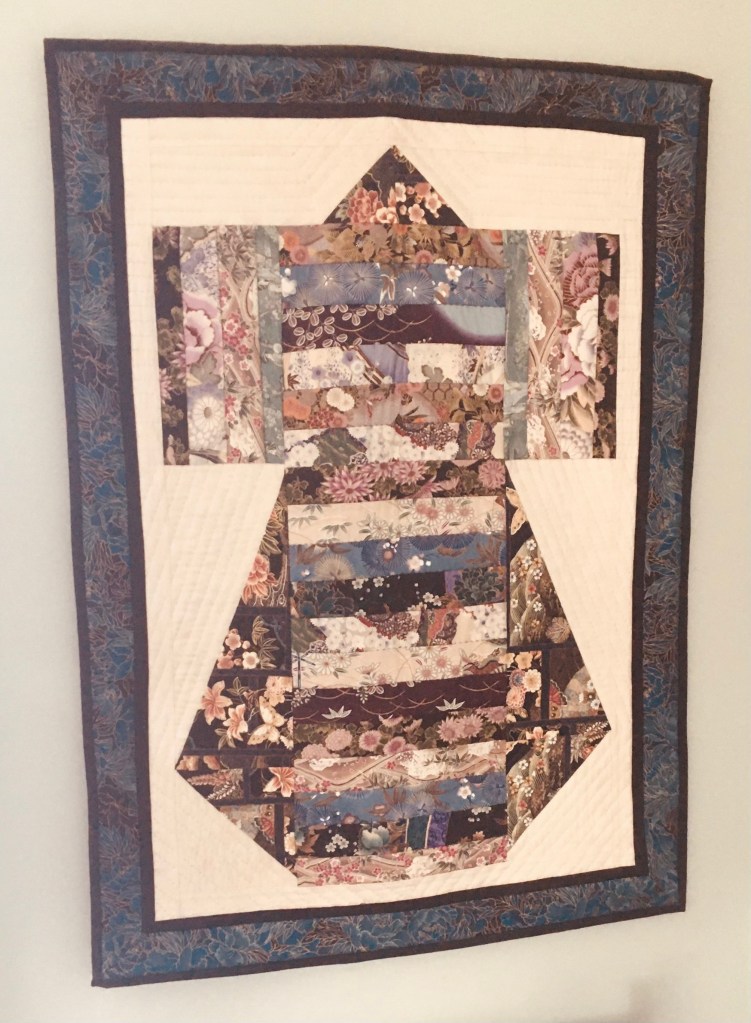
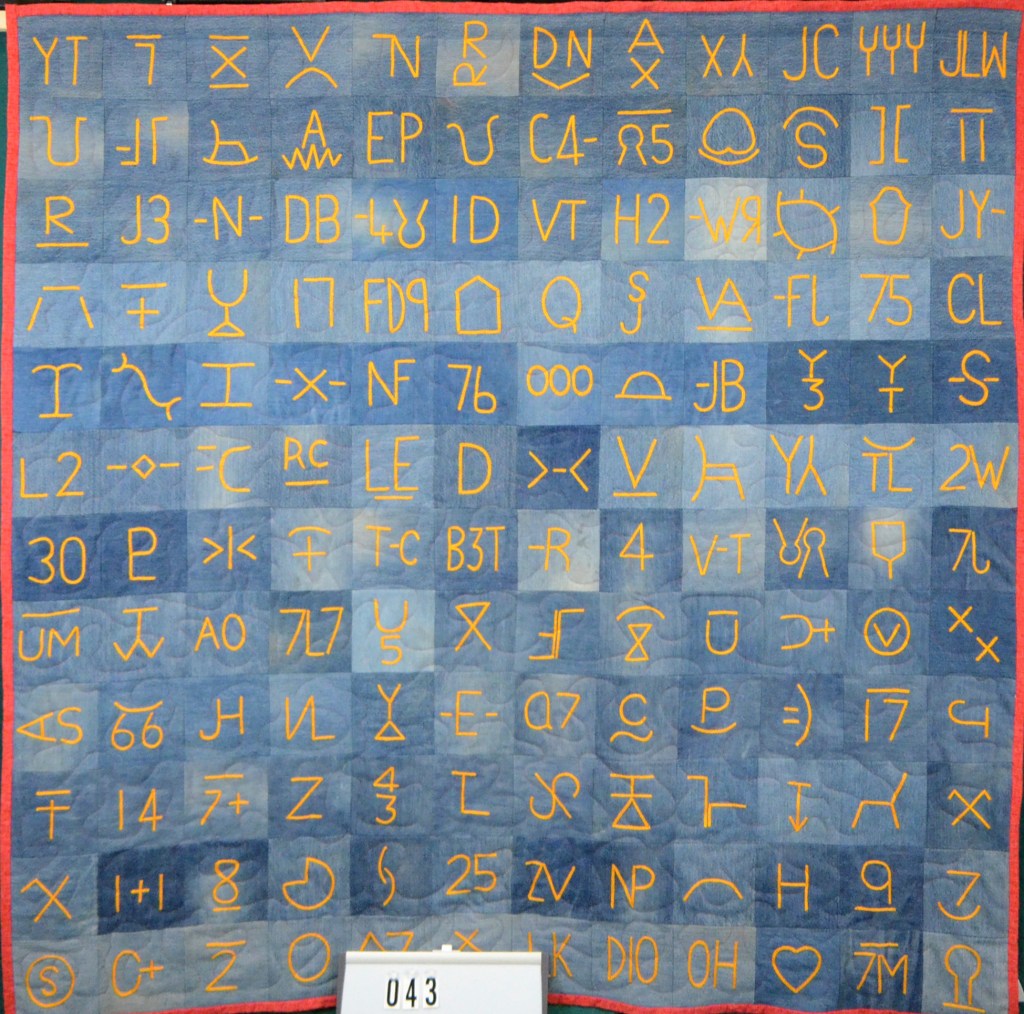
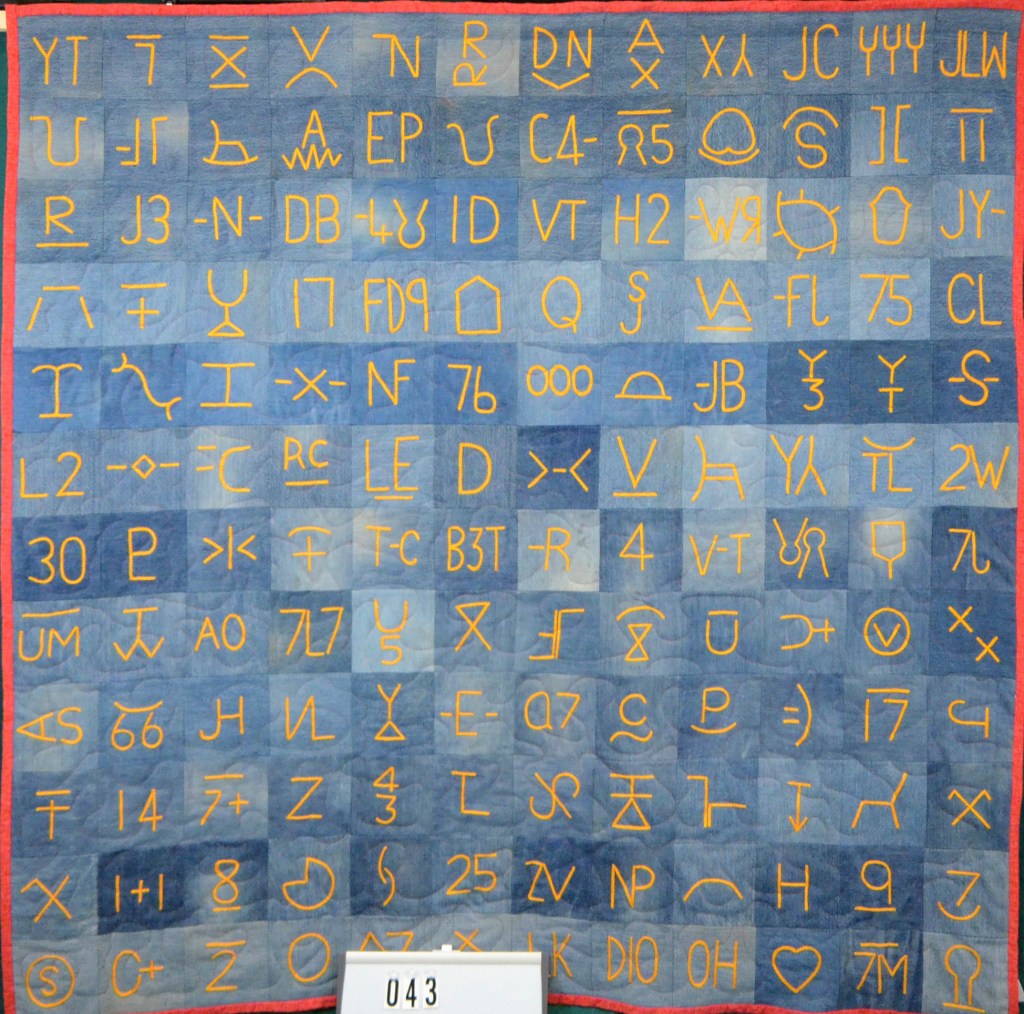
Wright, Judy – Quilt #043
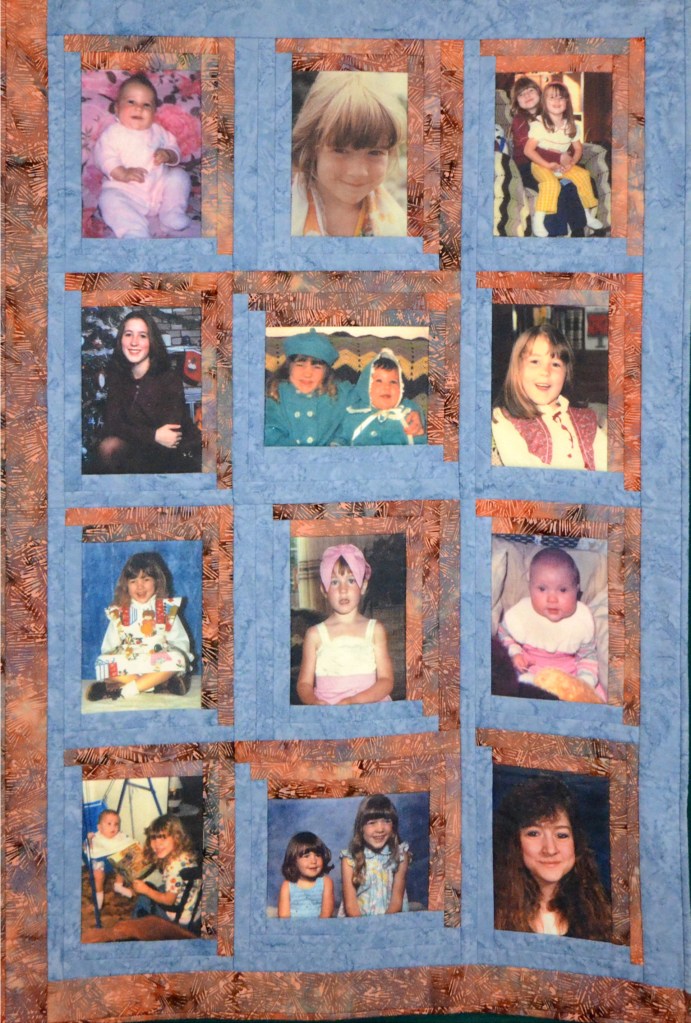
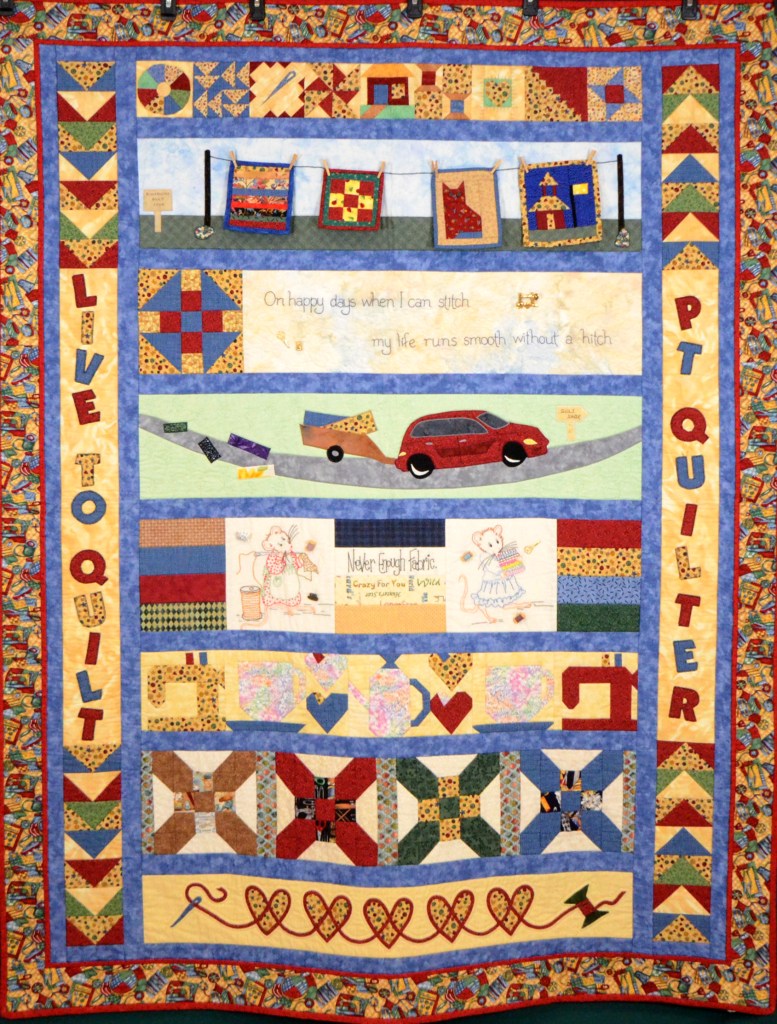
Zak, Lynn – Quilts (left to right) #069, #070 & #071
FAQs
What is your process while working on a quilt?
One of the “jokes” about quilting is the absurdity of cutting up gorgeous fabric into small pieces and sewing them back together. However, this is the process of creating a quilt top. To make a quilt top, you take yardage of complementary fabrics, cut shapes (squares, rectangles, even circles or curved pieces), and then sew the pieces together to create new patterns. Once a patterned “top” is made, you make a quilt sandwich of three layers: the top, batting, and backing. The sandwich is then quilted either by hand or by machine. After the quilting is done, the edges are usually finished with a binding or a facing. You can be a “traditionalist” in your approach or a “modernist” and make bed quilts or art pieces. There isn’t a limit to how you use quilting as a creative process. It truly is like being a child, experiencing the joy of a box of 64 Crayola crayons and a blank canvas to colour.
Who is behind the Cranbrook Quilters Guild?
The guild was founded in 1985 by Lisa Sharpe and Dominique Drummond, who initially advertised for women interested in learning about quilting to form a guild. Since its inception, over 300 local women have joined as members. Today, in 2025, 60 ‘ordinary’ women, aged 30 to 94, gather twice a month from September to June to promote the guild’s objectives: preserving the art of quilting, sharing quilting skills within a community of women, and donating quilts to social and health agencies to give to those in need of the comfort a home-made quilt can bring.
I’d like to become a quilter, where should I start?
In the past, aspiring quilters would start by taking a beginner’s quilting course offered through their town’s recreation department, a quilt store, or a guild. However, with the advent of the internet, many beginners, regardless of gender, as more men are taking up quilting, now learn through online courses. While online courses offer convenience, in-person workshops provide distinct advantages. Instructors can address individual learning and technique issues, and participants can connect with other students. Some lifelong friendships started while making a sampler quilt in that first class.
Should I join a guild?
Joining a guild isn’t for everyone, but if you’re willing to take on the responsibilities, it can be rewarding and a lot of fun. As a guild member, you may need to be on the executive committee, or develop a program, or take a workshop simply to ensure sufficient participants to cover costs. While there’s work involved, there are also perks. You’ll have ready access to tutors, a community of like-minded individuals to play with, workshops and demonstrations to add to your
skill set, and an audience that’s delighted by your creations. Perks do make the commitment worthwhile.
 CranbrookQuiltersGuildHistory