








A Virtual History & Gallery 1985- 2025
This is the first online quilt registry in British Columbia open to public viewing. We were fortunate to consult with the North Grenville – Eastern Ontario Quilt Documentation Project and the Alberta Quilt Study Society (ABQSS) to learn the proper standards of the quilt registration process.
The Cranbrook Quilters Guild
The past 40 years, in our minds, is the “gilded age of quilting.” It spans the time
when guilds were forming across our Kootenay valley to now, when members are
“aging up” while fewer younger quilters are joining. Guilds brought in quilting
instructors “from away” to teach novices and make them the best they could be.
They held biennial Quilt Shows in local auditoriums to showcase members’
creations and donated quilts to social and health agencies locally and abroad,
including sites of ‘disasters.’ Guilds were welcoming communities. Offering a social respite to groups of women.
It was the gilded age when quilting was coming back into fashion with an ever-expanding range of affordable tools to increase our efficiency and accuracy, as well as an ever-expanding selection of fabrics to make stunning quilts. From the newfangled rotary cutter in the early 80s and “quilting bees”, to the multi-tasking sewing machines, and ending with the home-size, mid-longarm quilting machines many of us have in our basements, quilting has come a long way. From home quilts to
‘art quilts’, from traditional to modern, the details of this quilting journey are told
in the quilters’ stories.
Haddad, Joan – Quilt #076
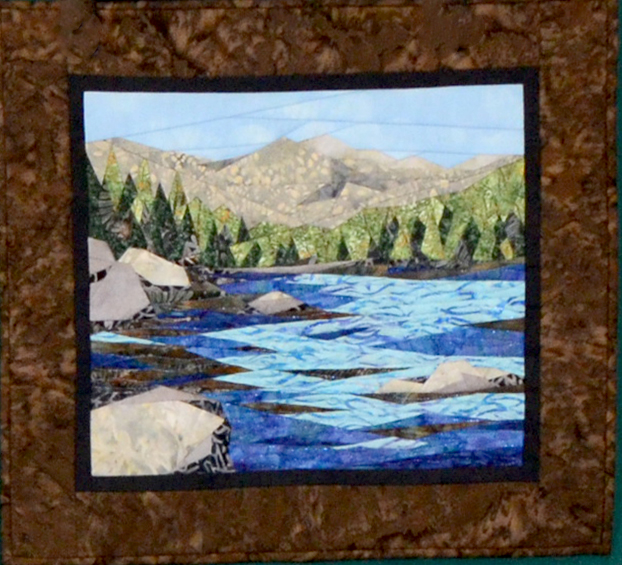
Haddad, Joan Quilt #076
Hall, Lorena – Quilts #006  (left, top to bottom), & #008(right)
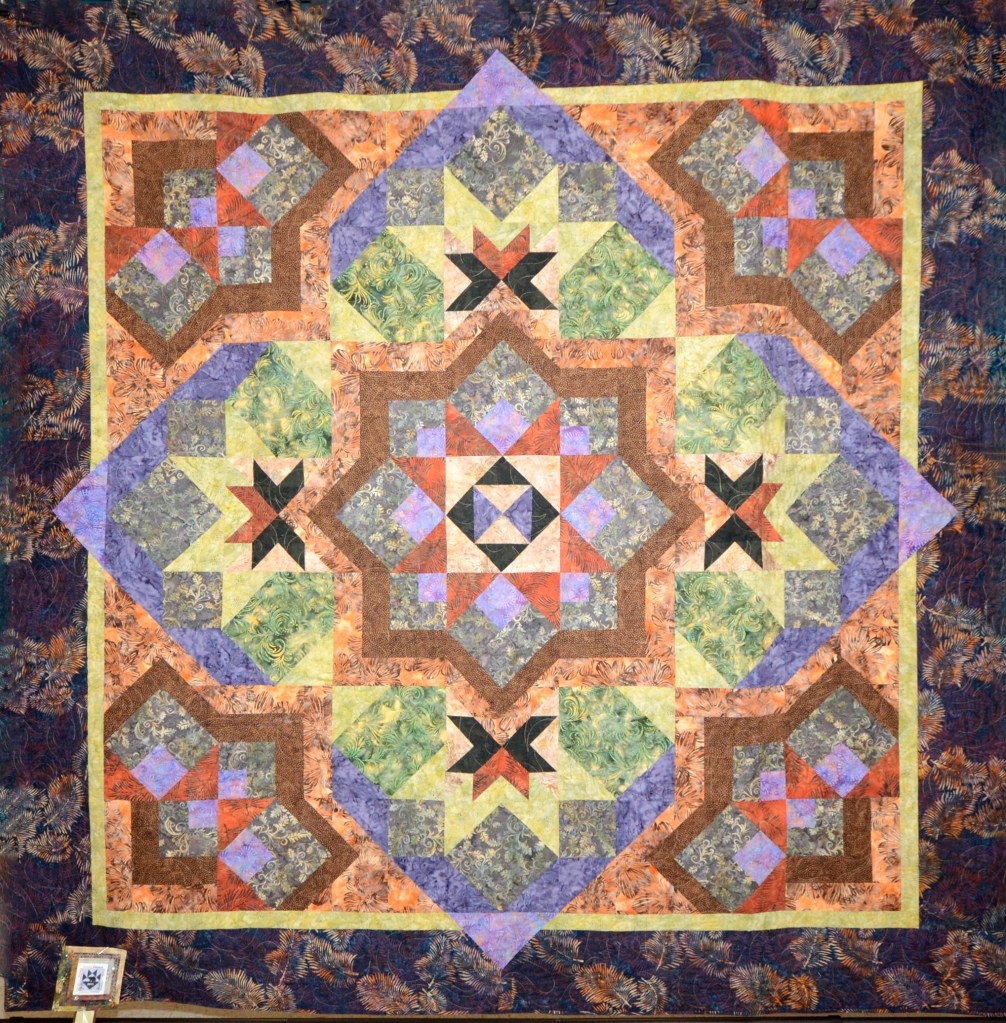


Hall, Marg – Quilts (left to right) #039, #152
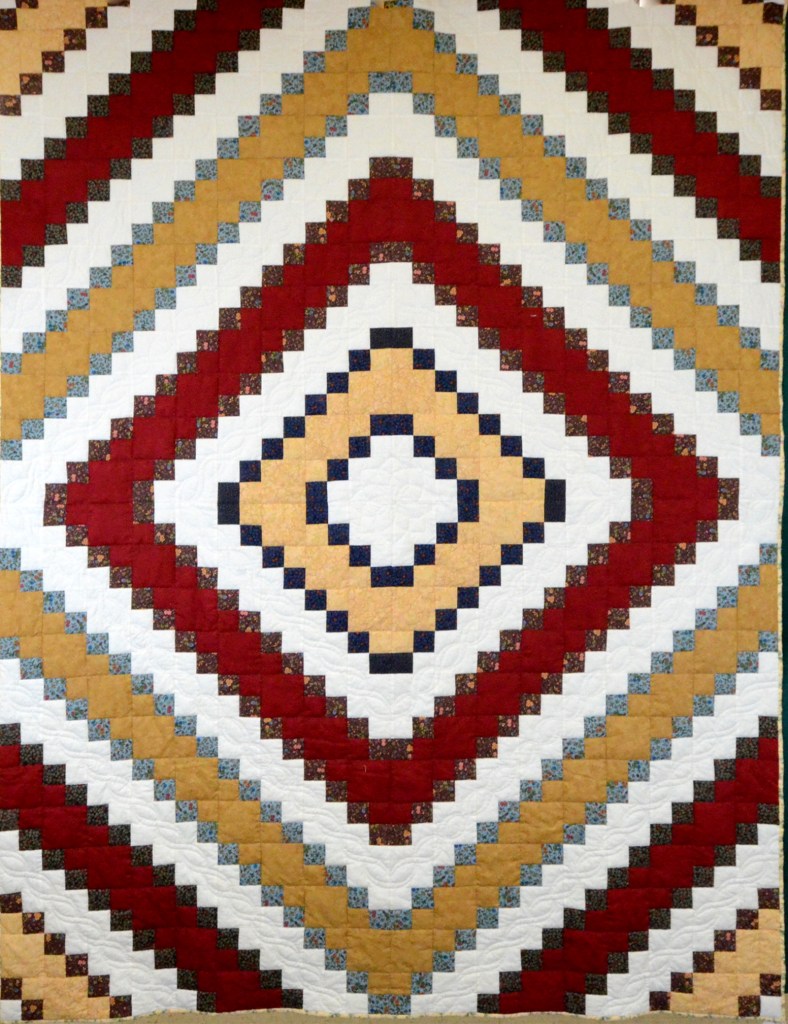

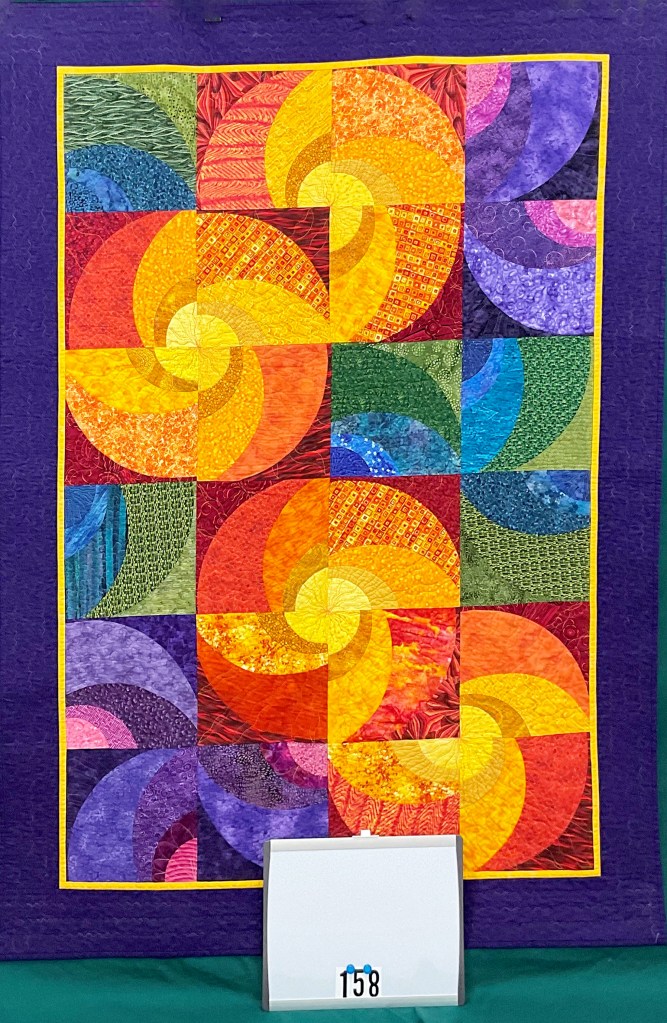
Ham Jennifer – Quilts (left to right) #147 & #158

Healthcare Auxiliary Quilt #164
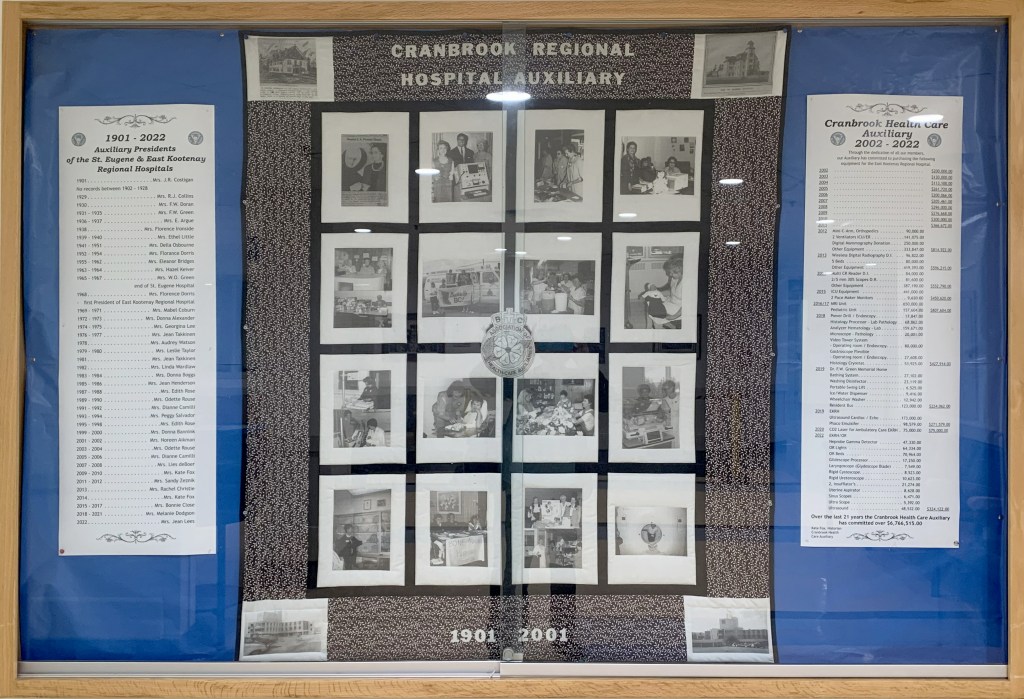
Healthcare Auxiliary Quilt #164
Hinton, Dorothy – Quilt #014

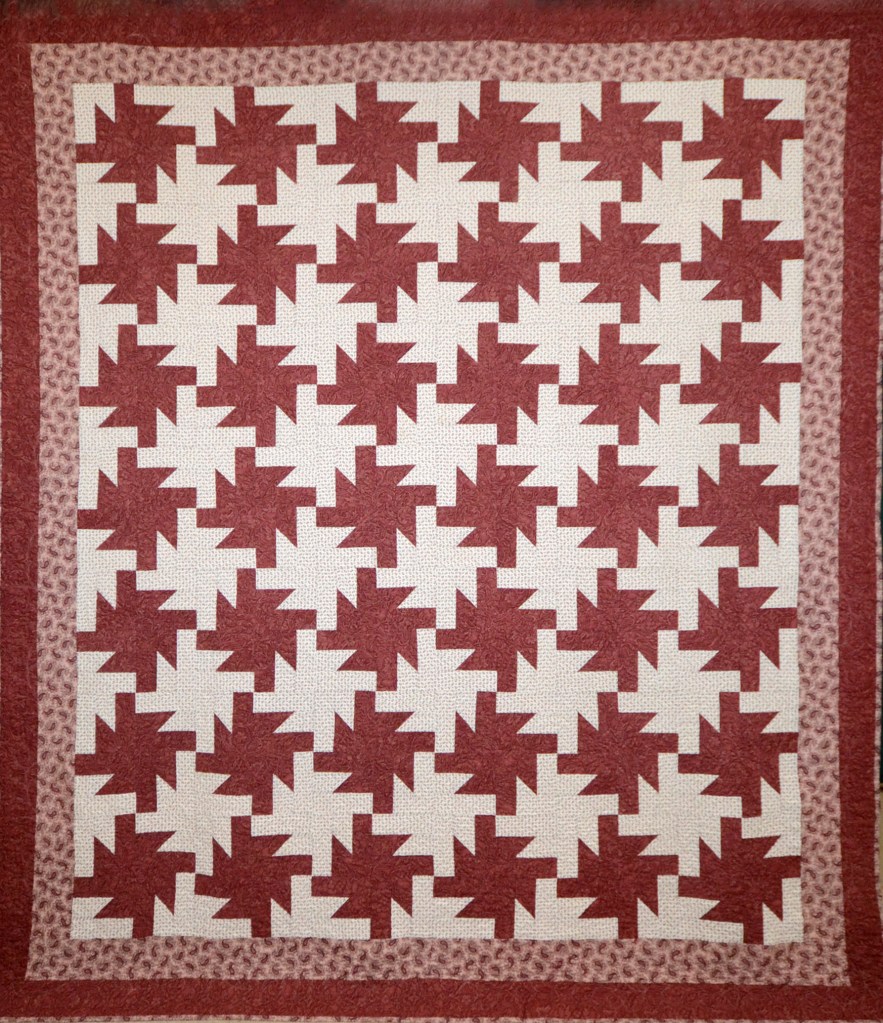
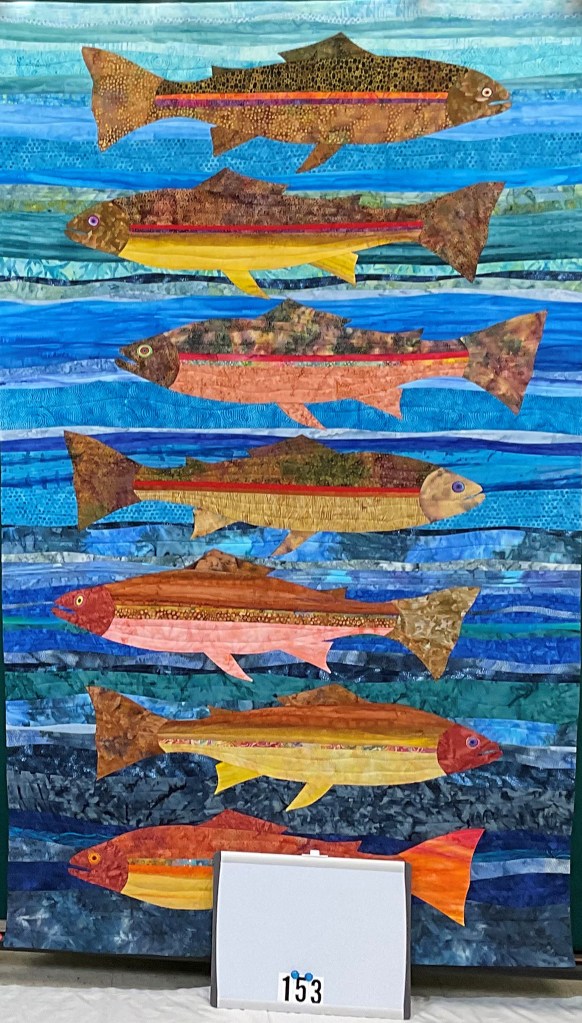
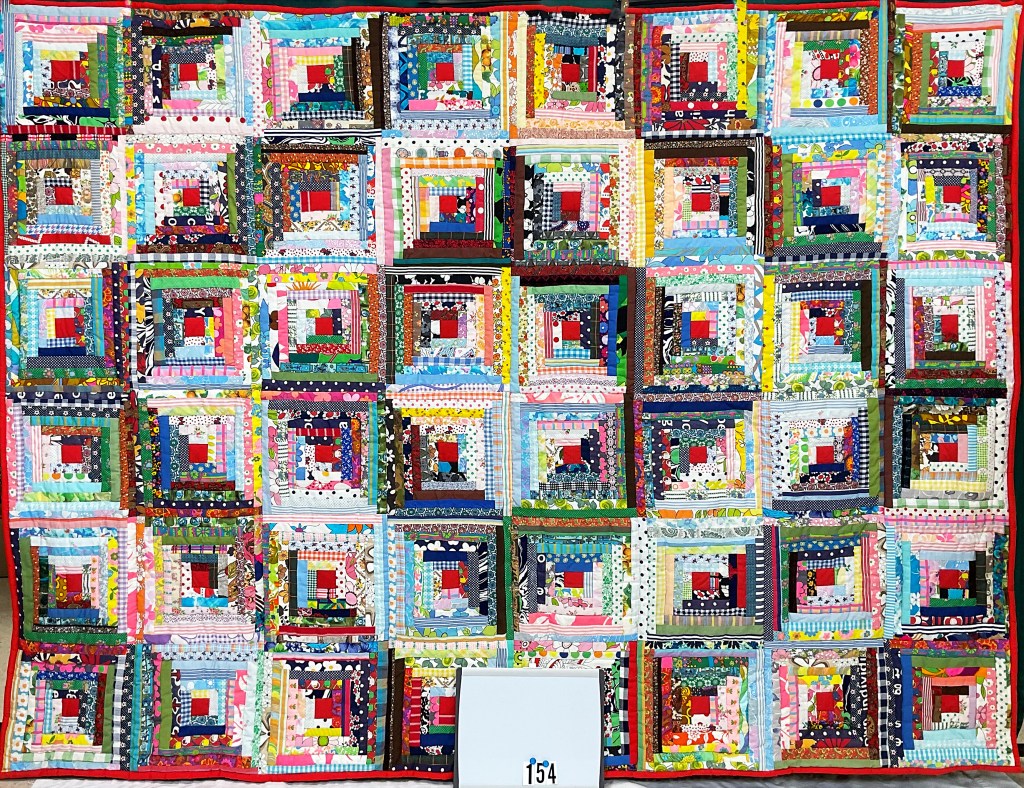
Hogg, Wendy – Quilts (left to right) #153 & #154
Holloway, Enid – Quilts (left to right) #040, #145


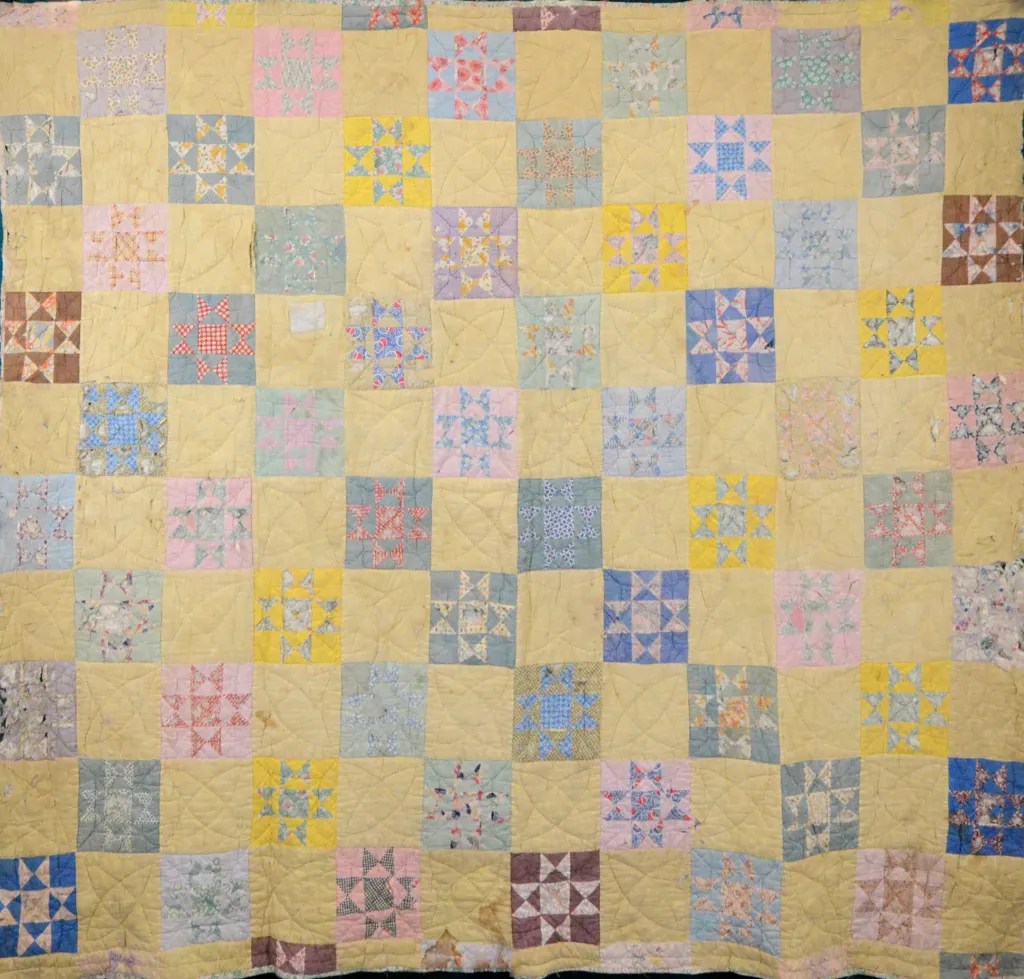
Hoodicoff, Carol – Quilt #156


Kastelan, Stephanie – Quilts (left to right) #112 & #113
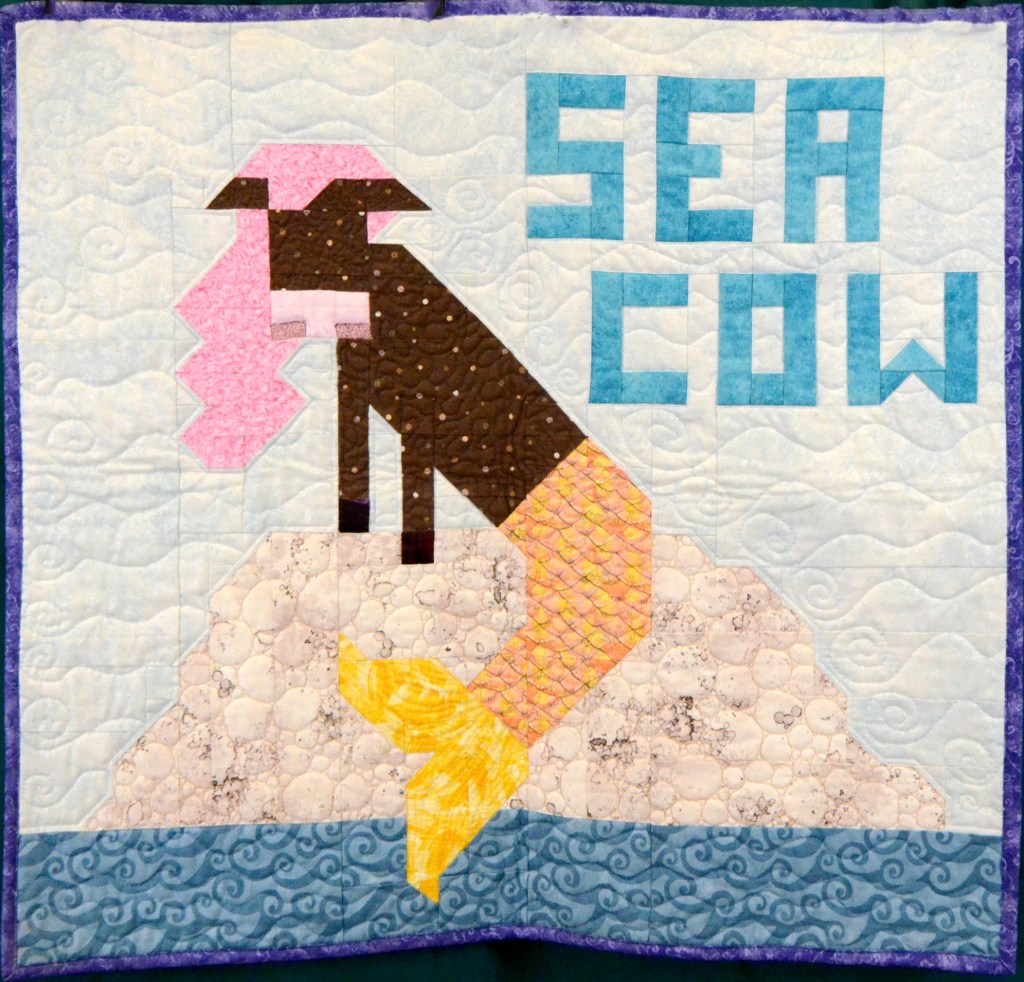

Kershaw, Sara – Quilt #146
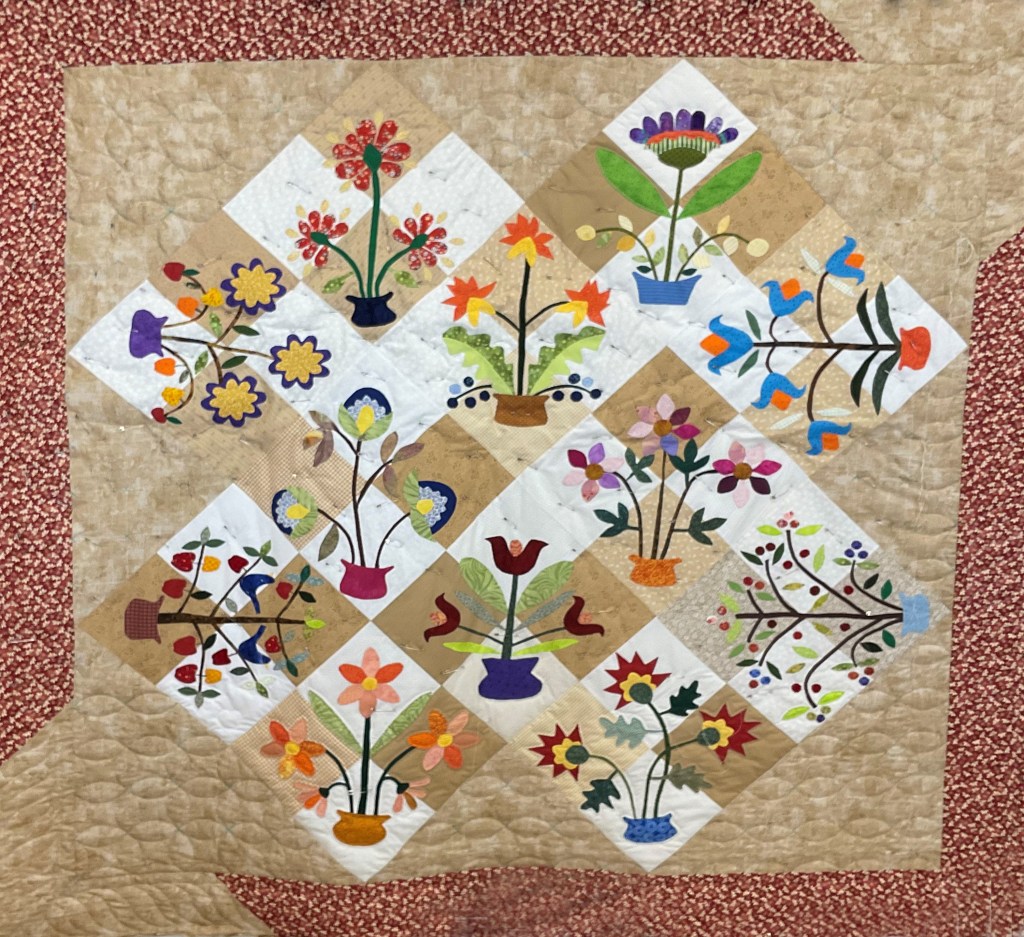


Kovalevich, Donna – Quilt (left to right) #051 & #052

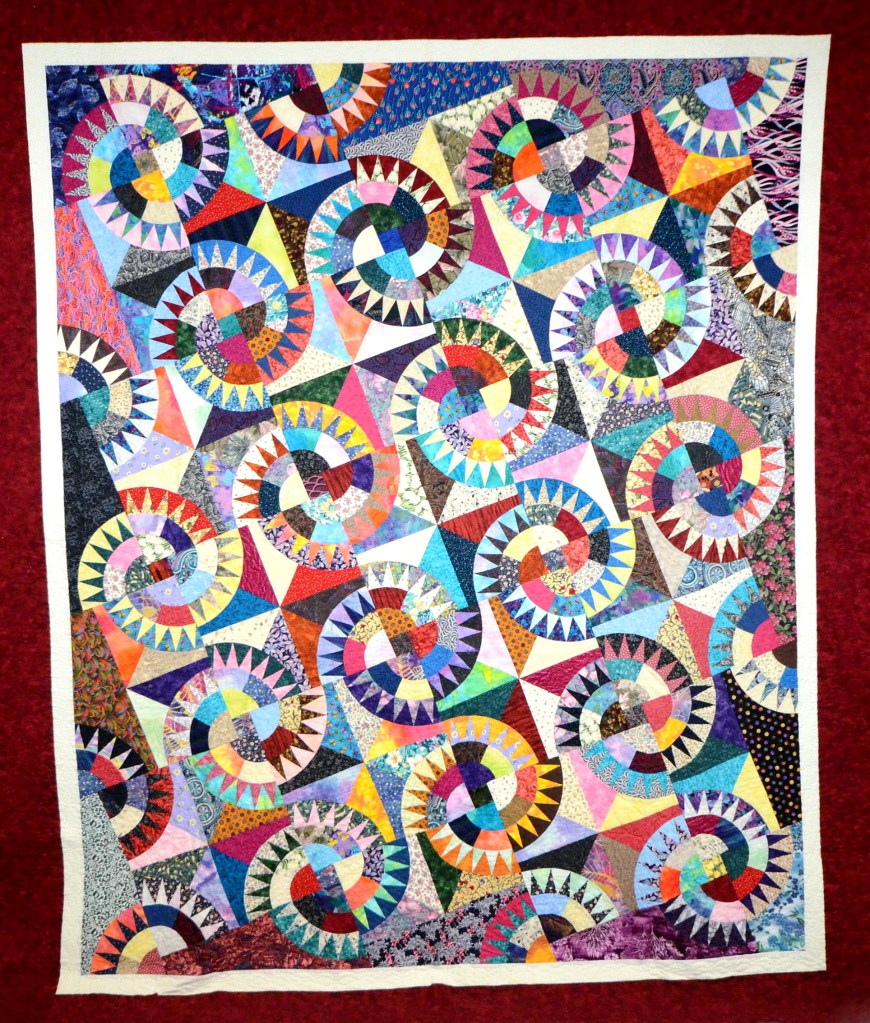
Laird, Julie – Quilt (left to right) #026, #027 & #049


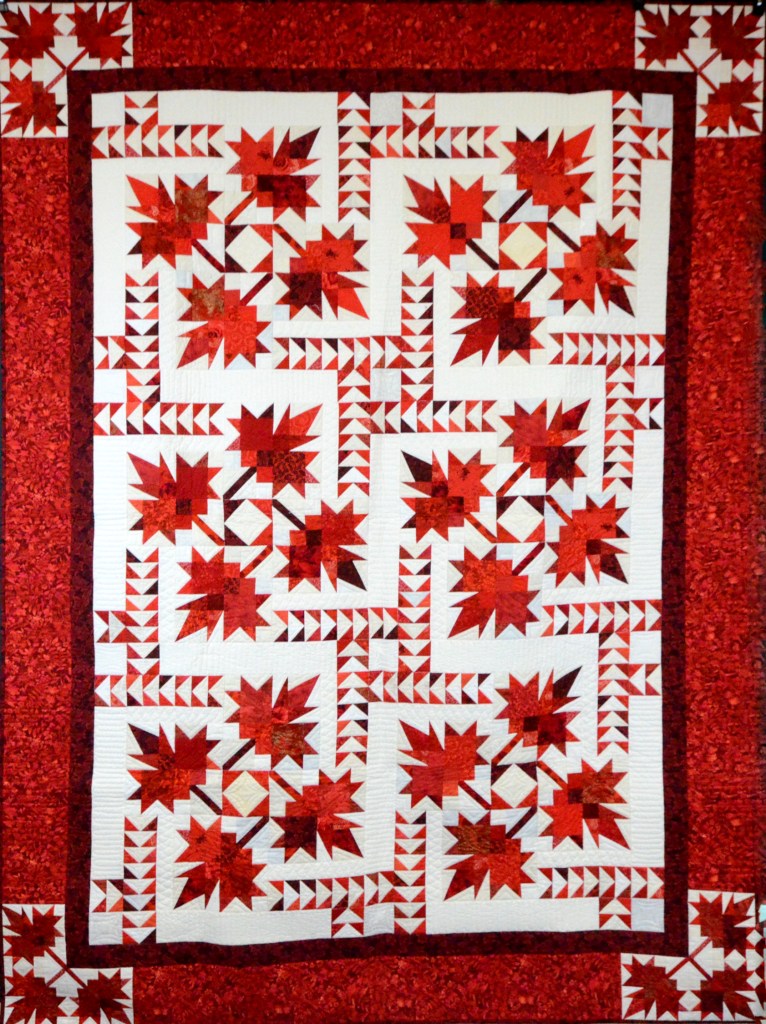
‘Landscapes’ Quilts (left to right)#132 & #133


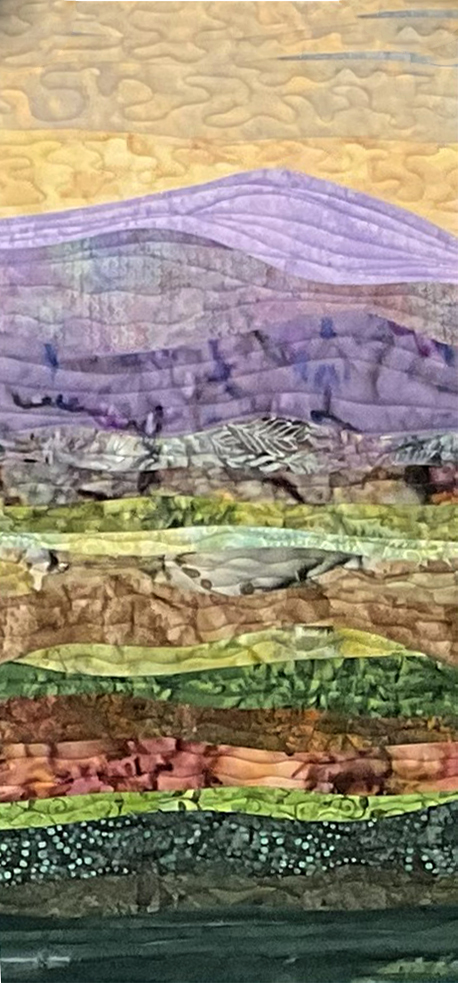
Lenz, Beth – Quilt #128


Lindquist, Mary & Lugtigheid, Edith Quilts -(left to right) #015, #016, #017, #018, #019 #031 & #032
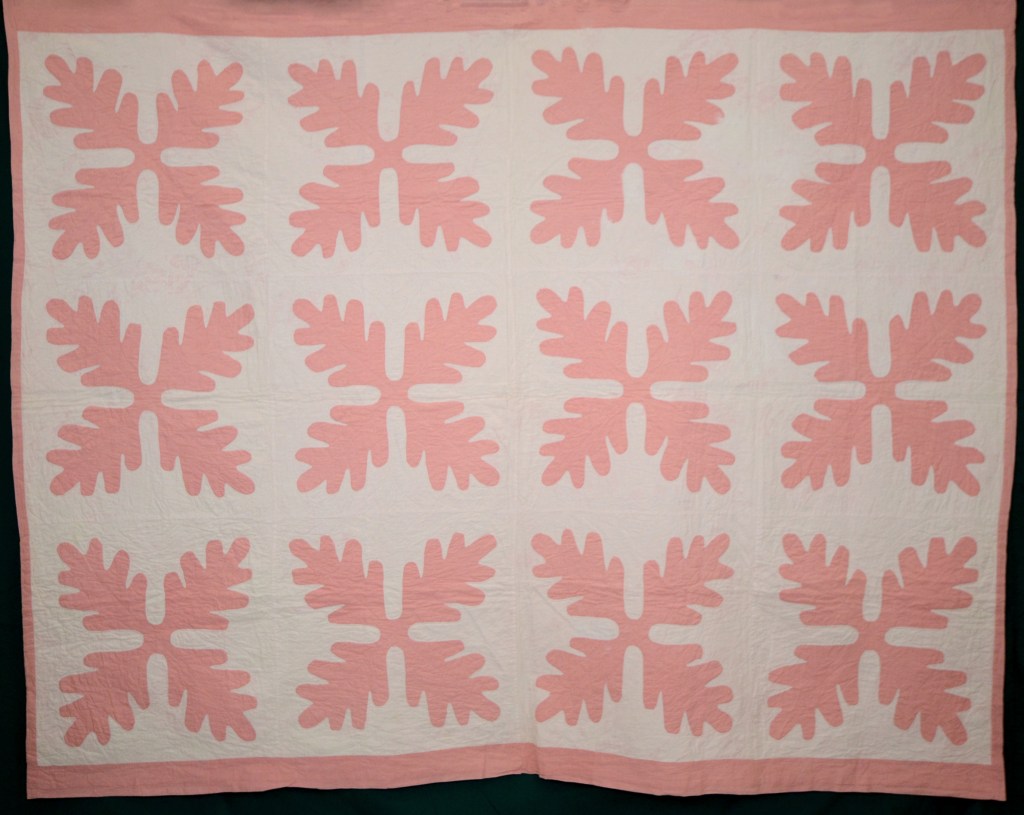
Lindquist, Mary & Lugtigheid, Edith #015, #016, #017, #018, #019 #031 & #032

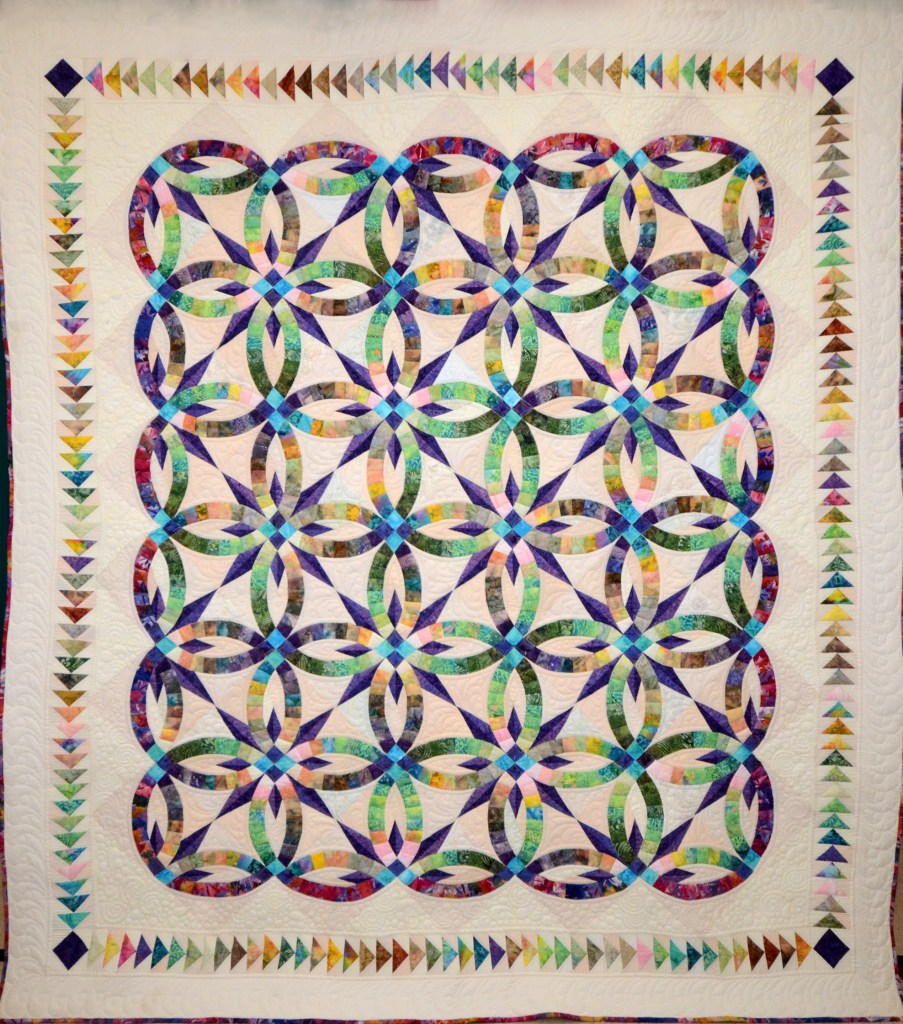

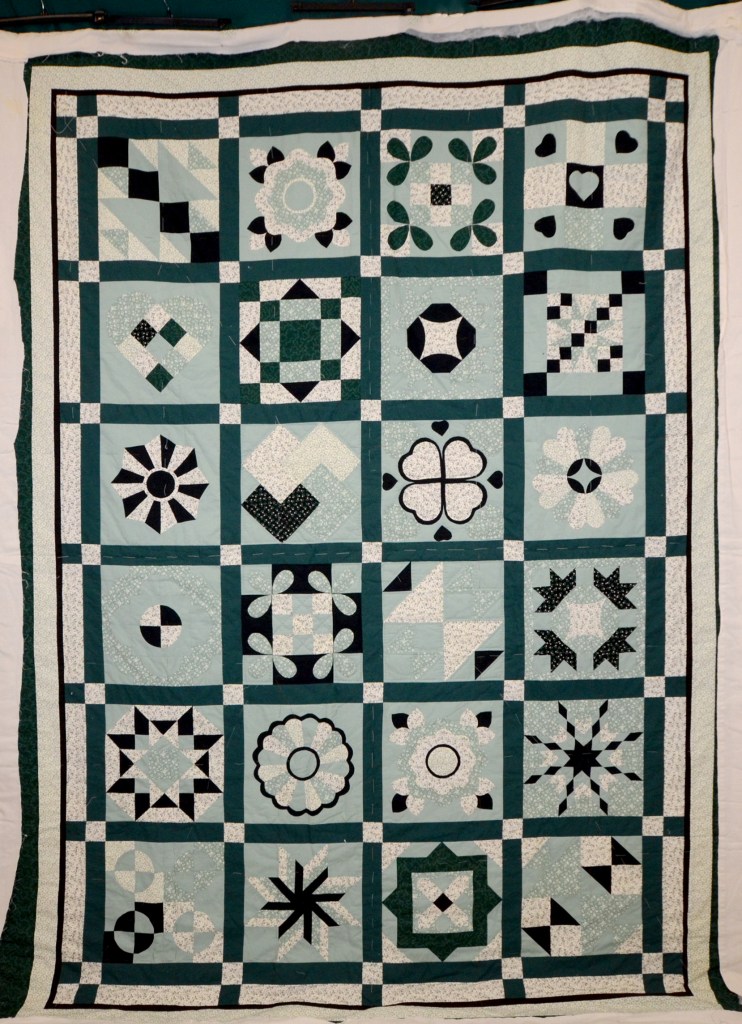

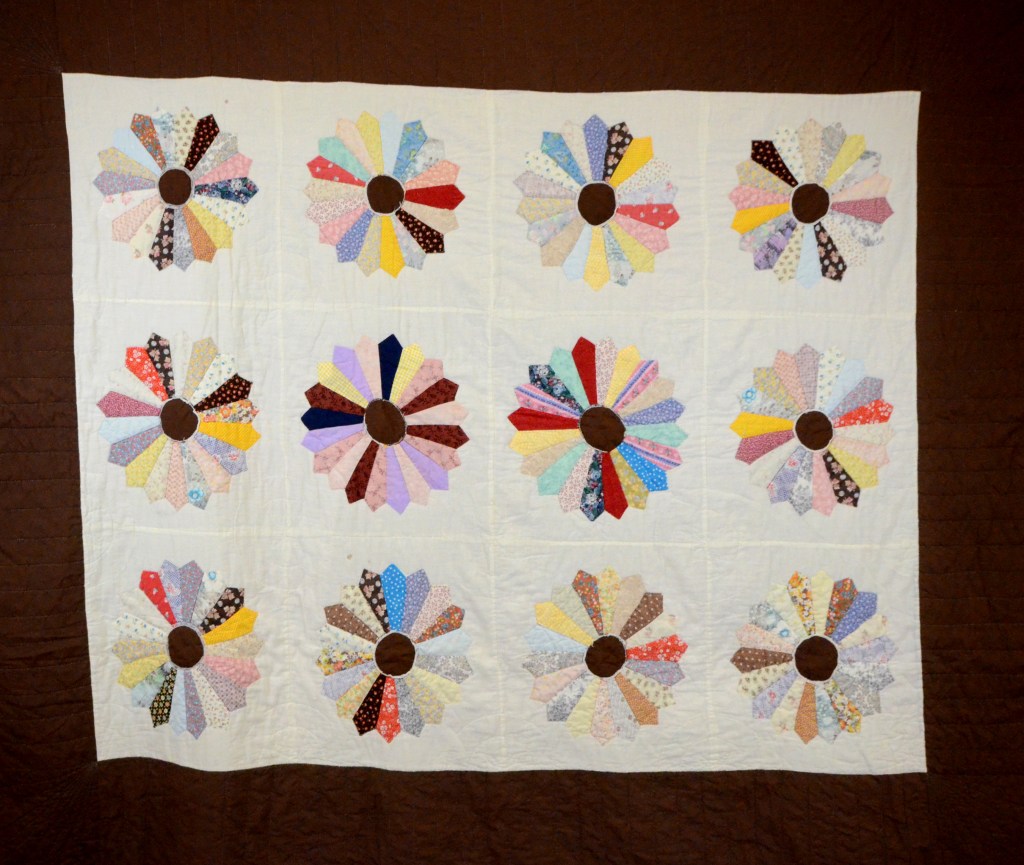
Little, Susan – Quilts(left to right) #020, #161, #201 & #203

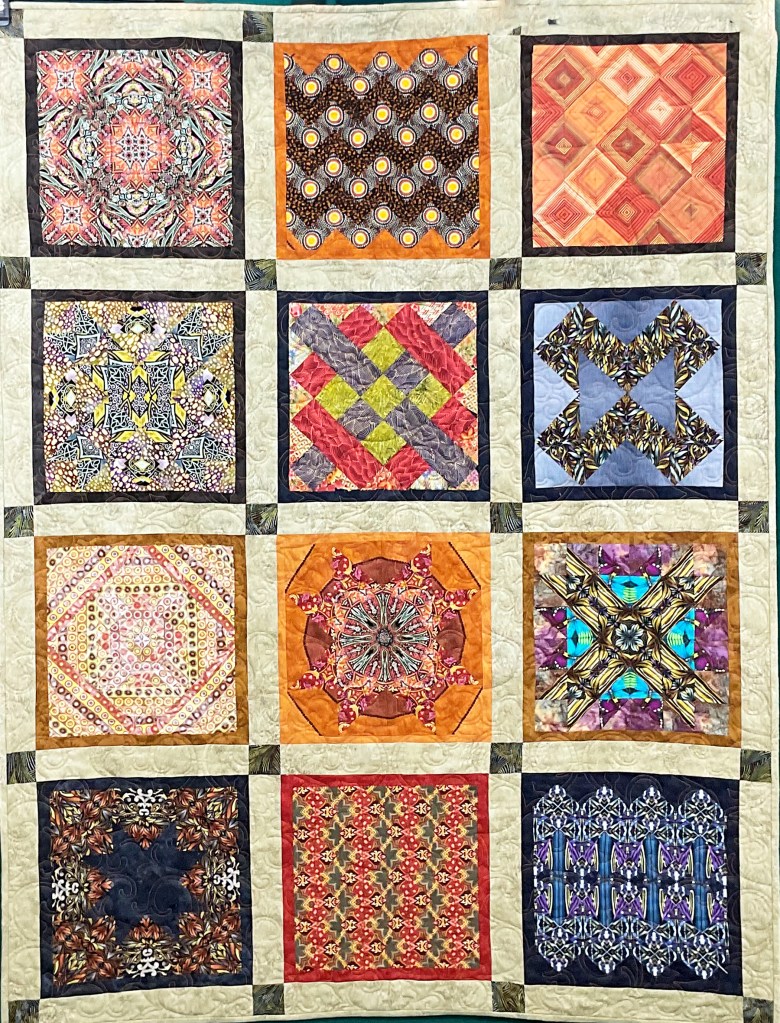
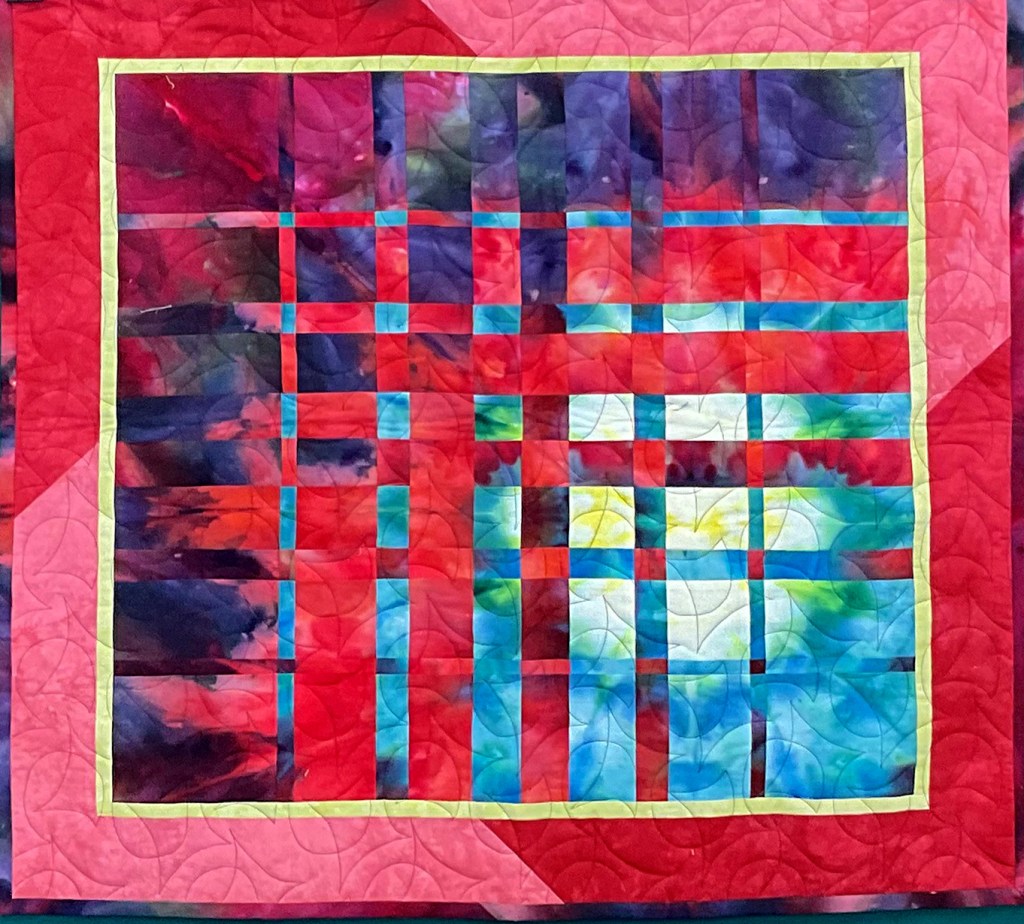

Litz, Wendy – Quilts (left to right) #055, #056, #057

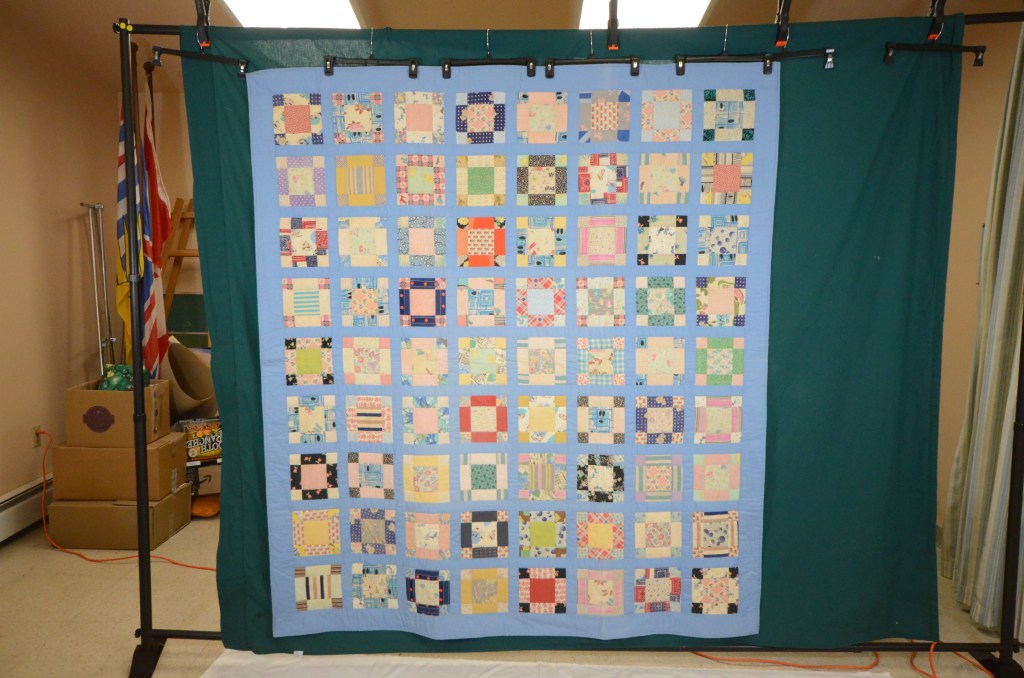
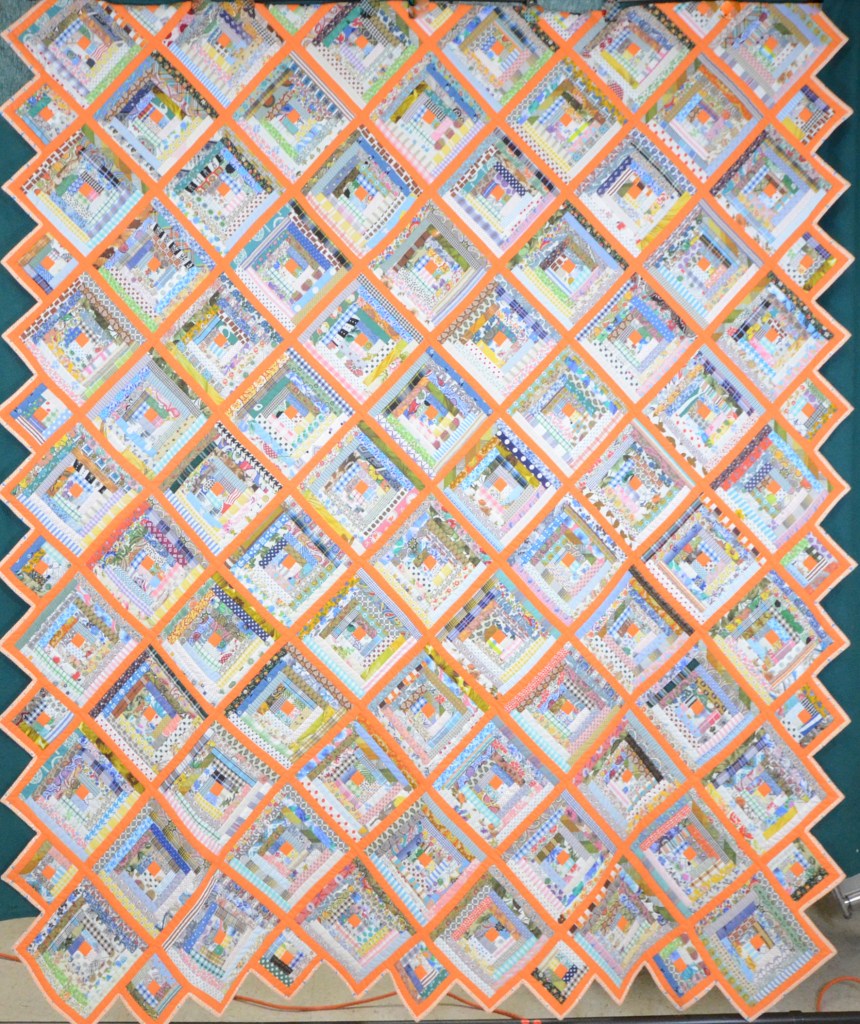
Lowing, Ilene – Quilts (left to right) #067, #089, #090, #114 Í


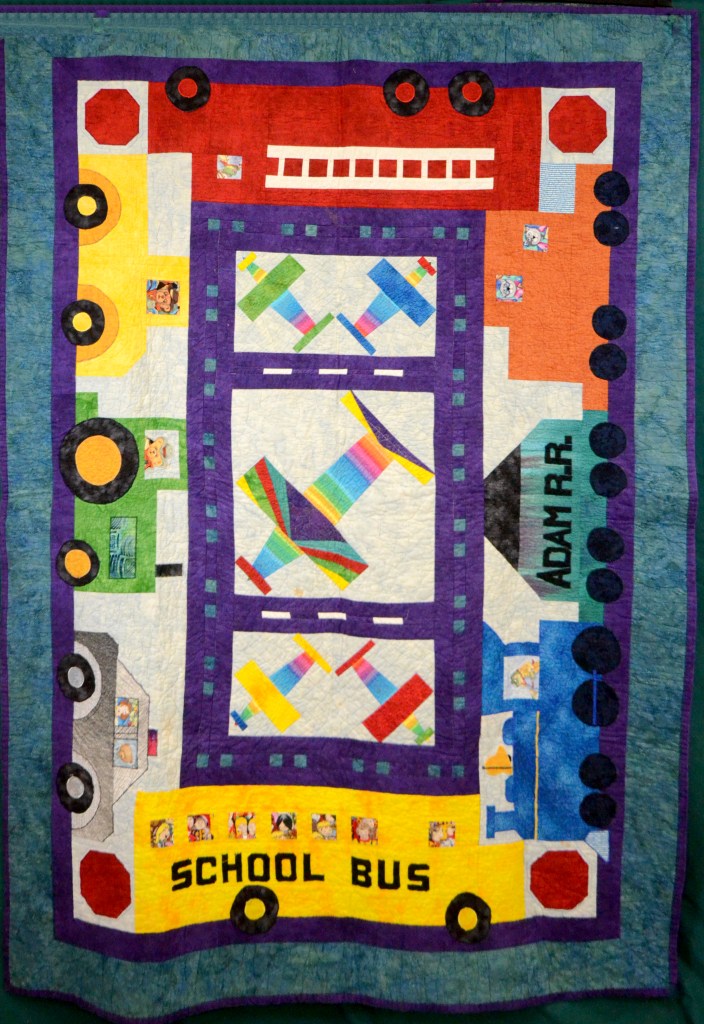

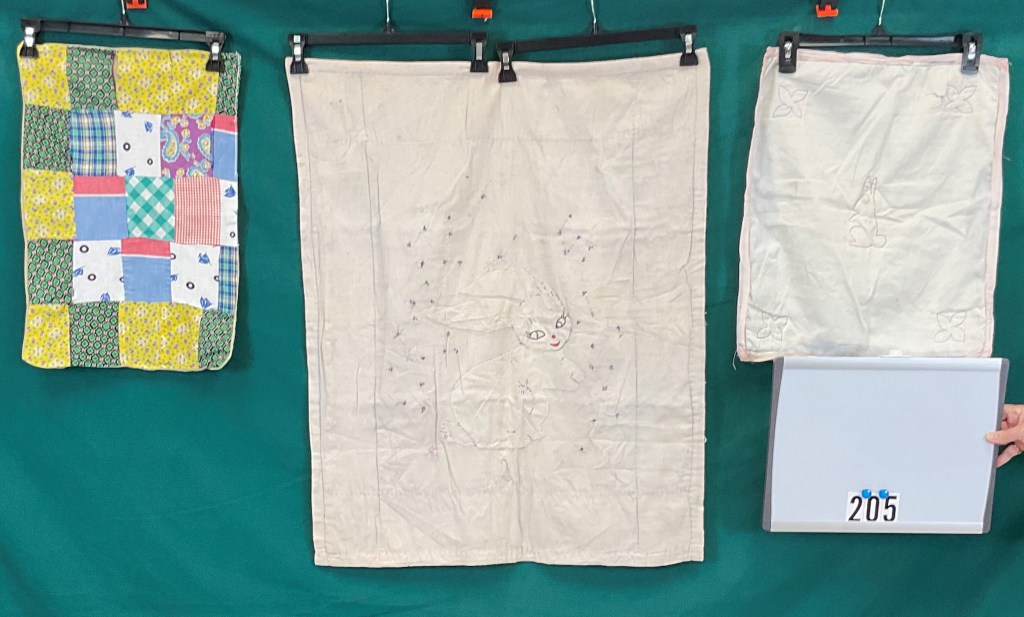

MacKinnon, Audrey – Quilts (left to right) #053 & #054
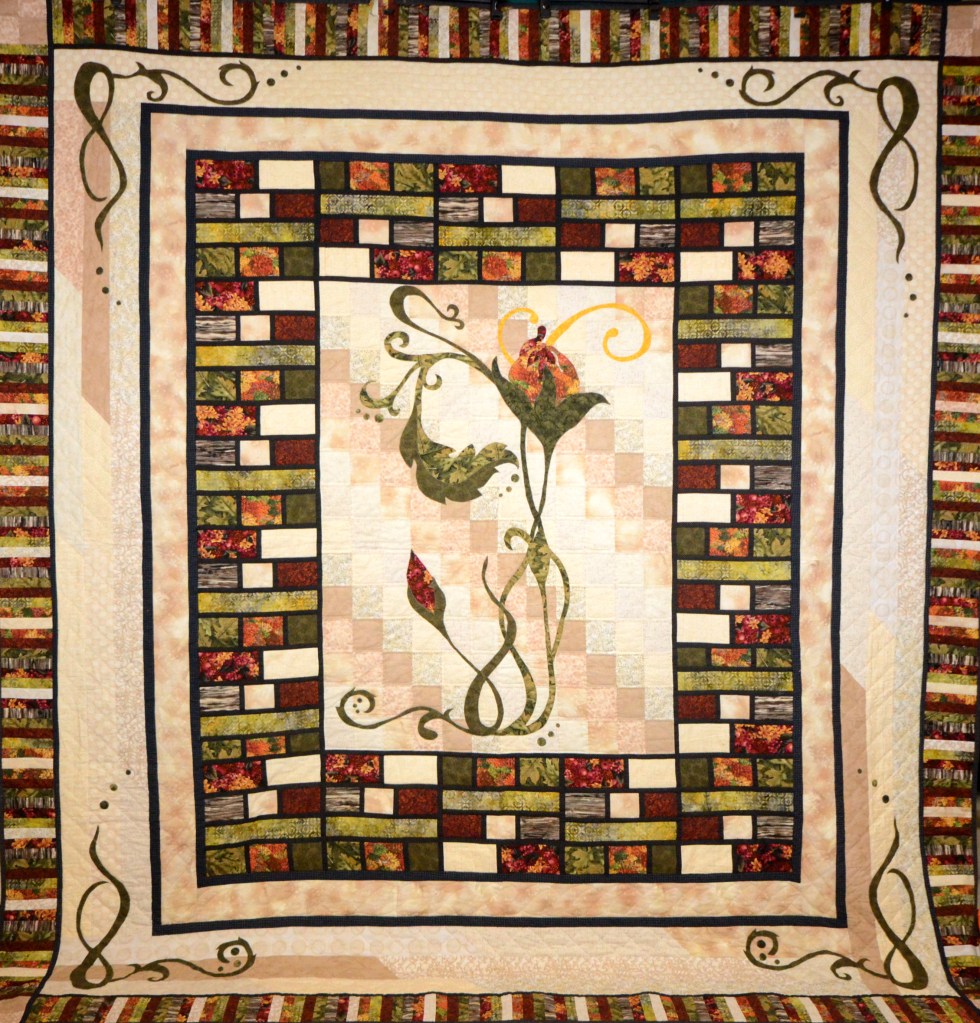


Martin, Sandra -Quilts (left to right) #072, #073 & #074
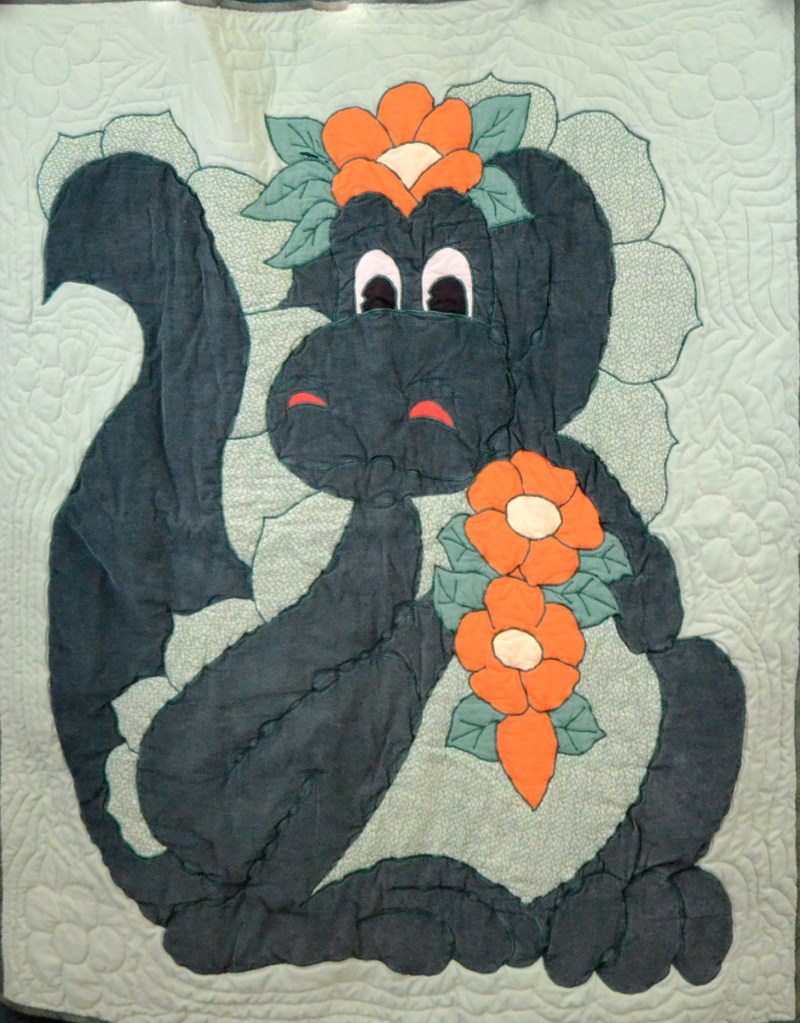

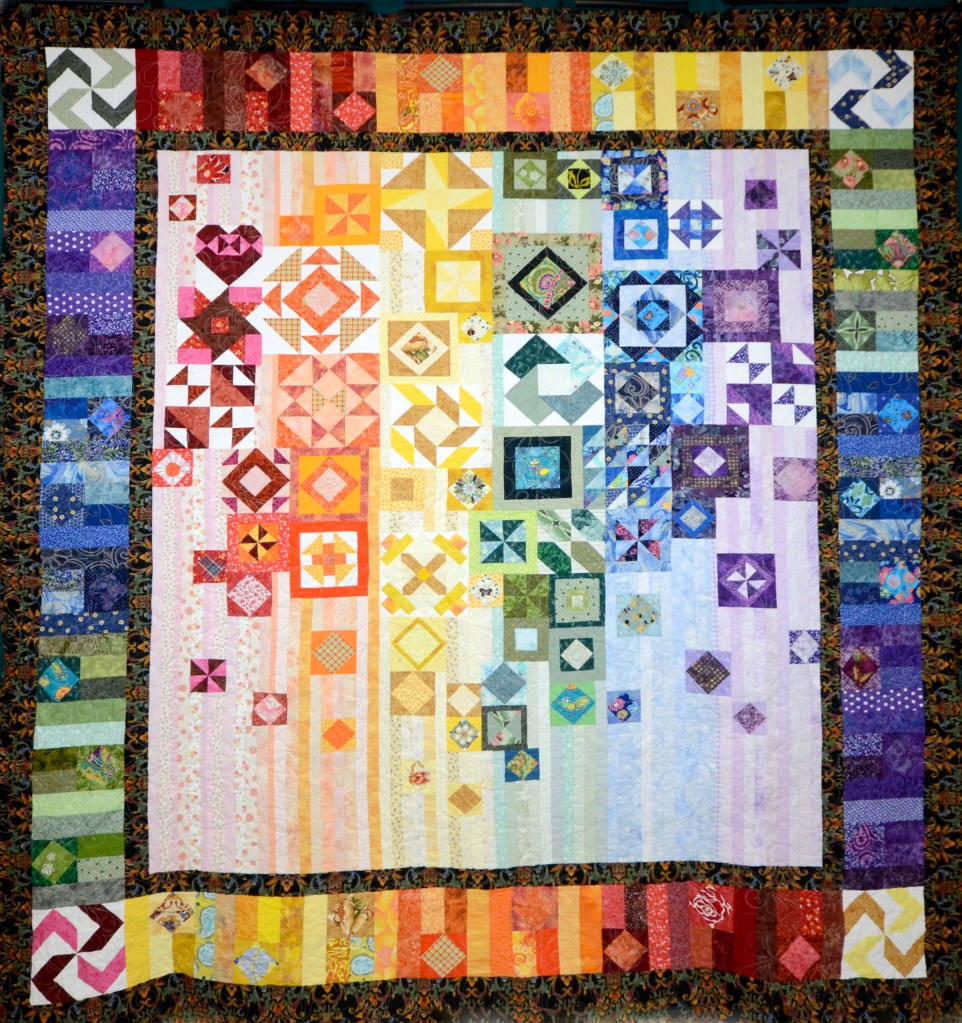
Neil, Shirley – Quilt #030
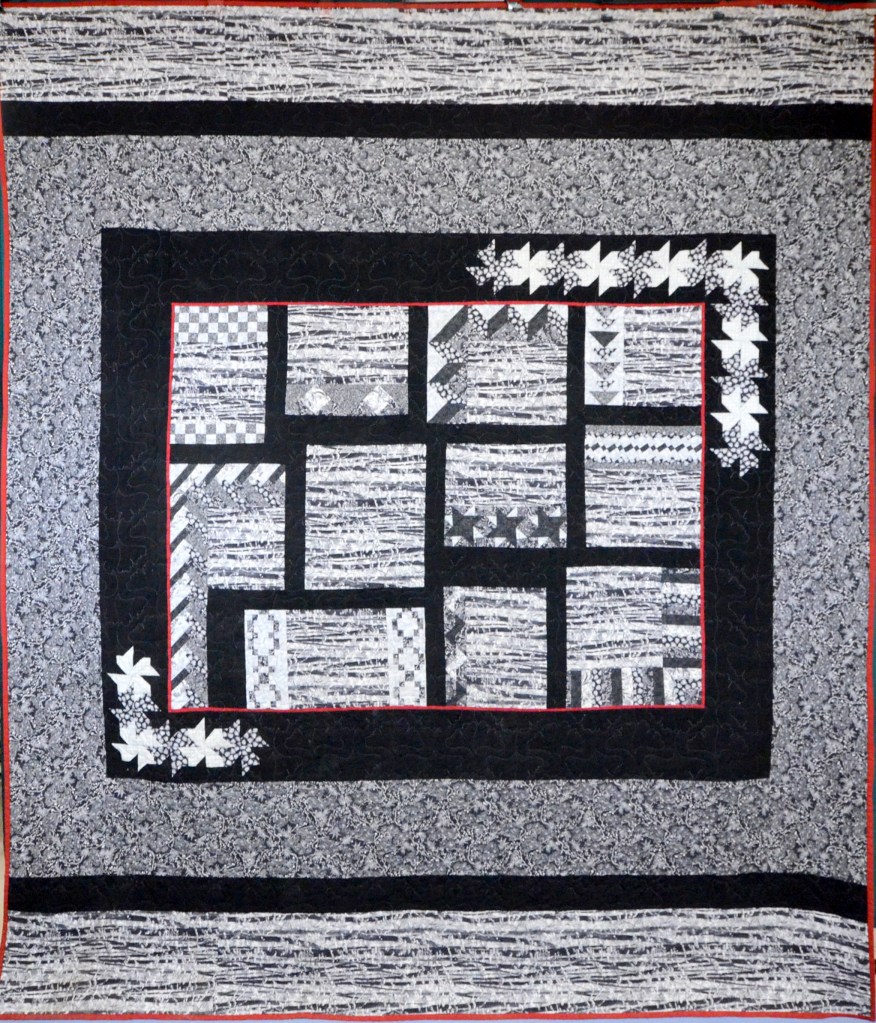
Olson, Barb – Quilts (left to right) #044, #066 & #155

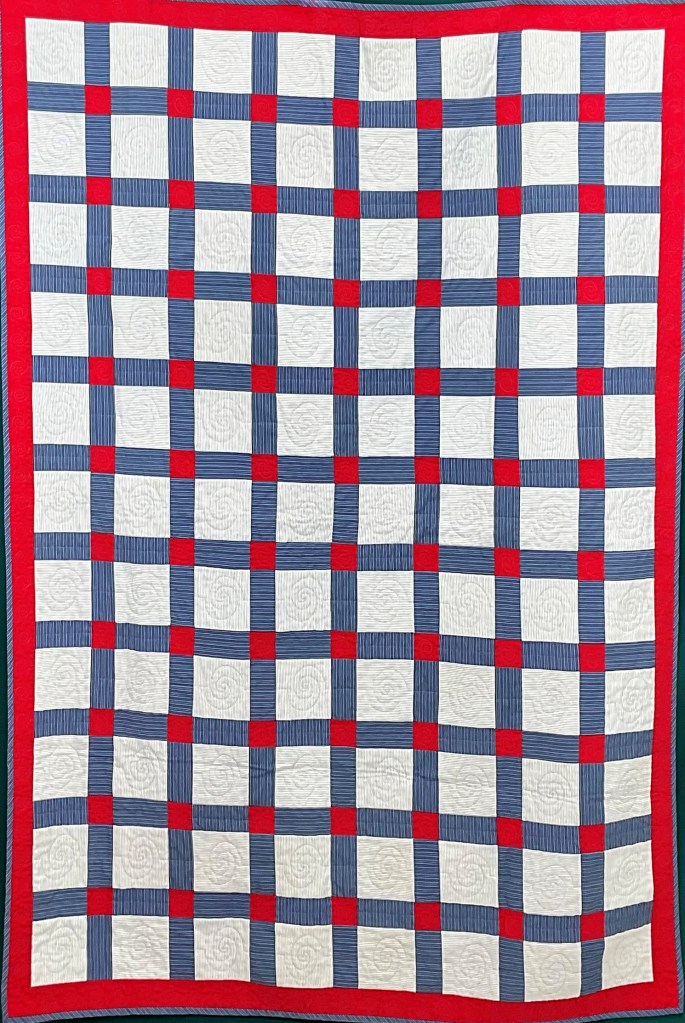
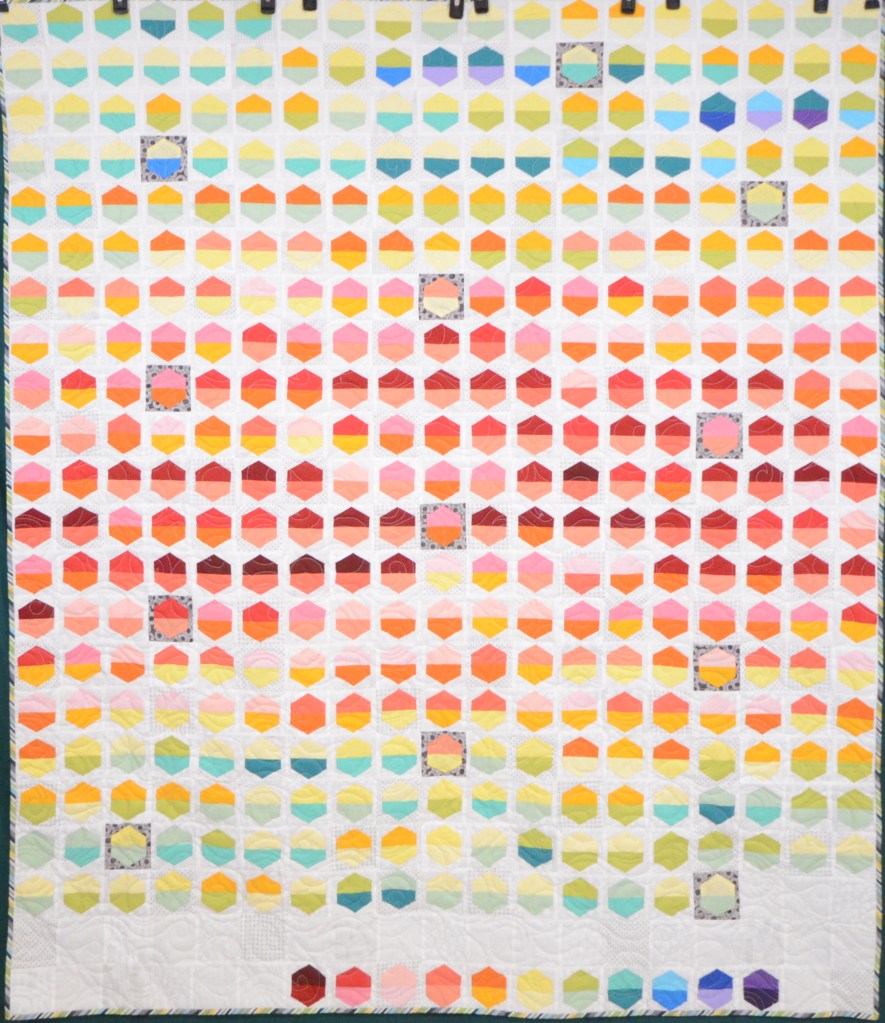

Pelton, Dawn – Quilt #141


Pingitore, Hilda – Quilts (left to right) #045 ¢


Plant, Sheila – Quilts (left to right) #115, #116, #117, #118, #119
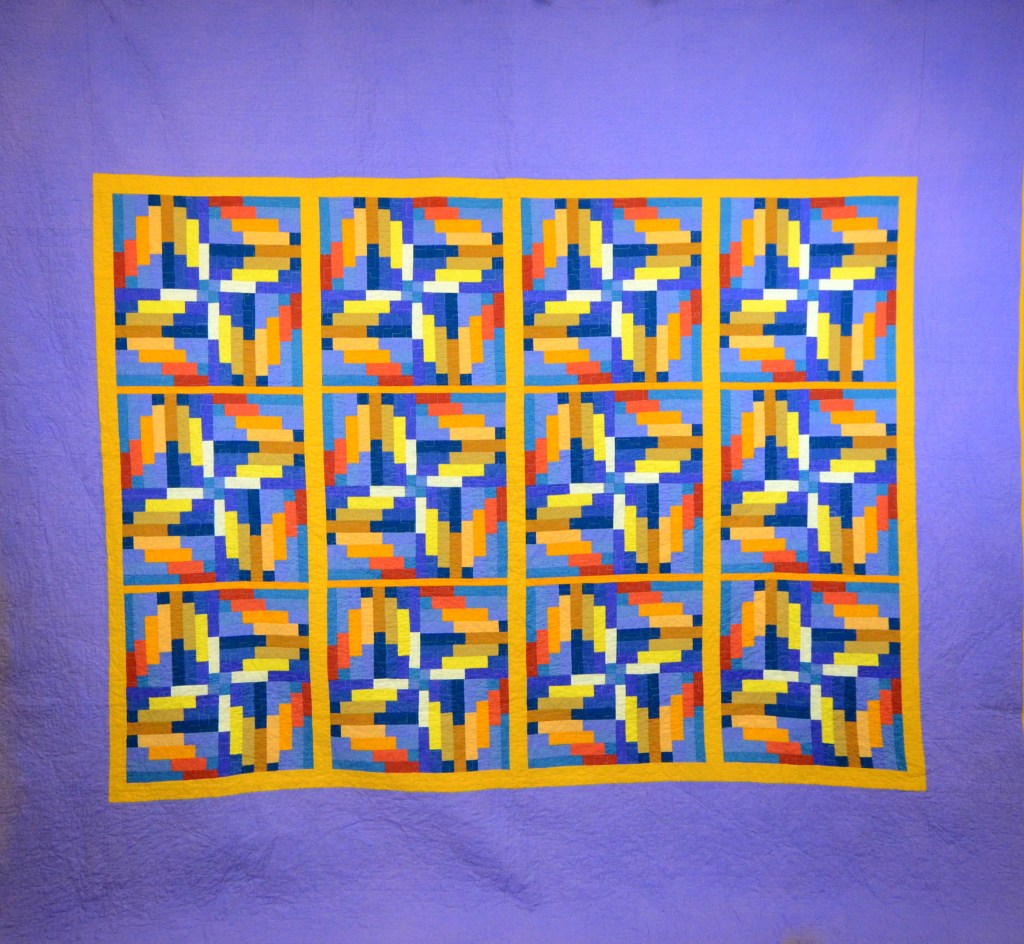
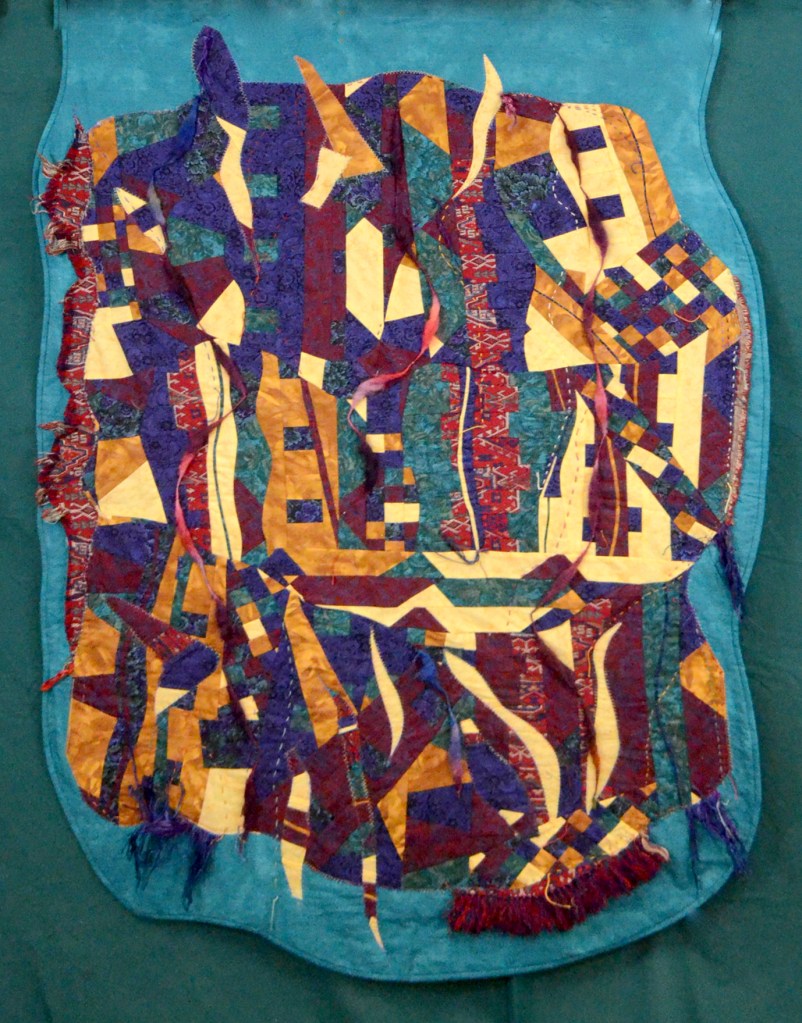
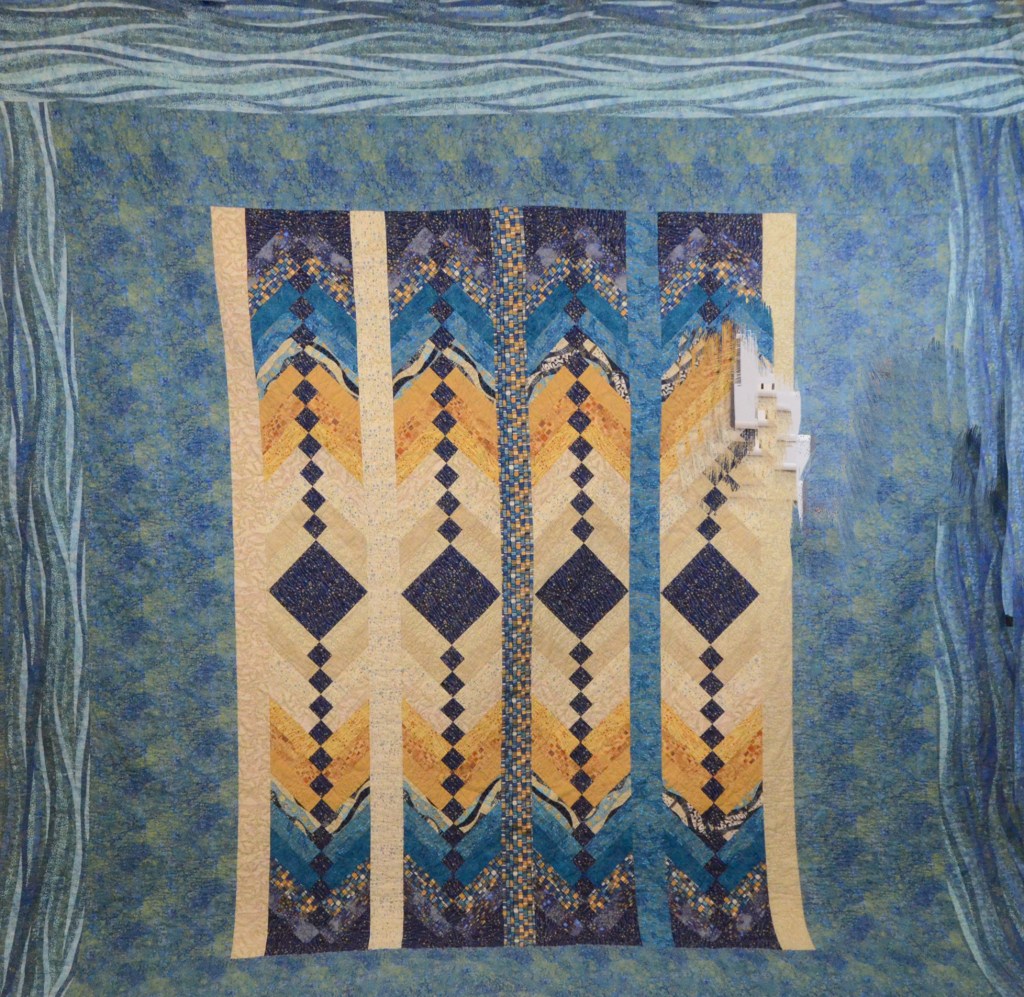

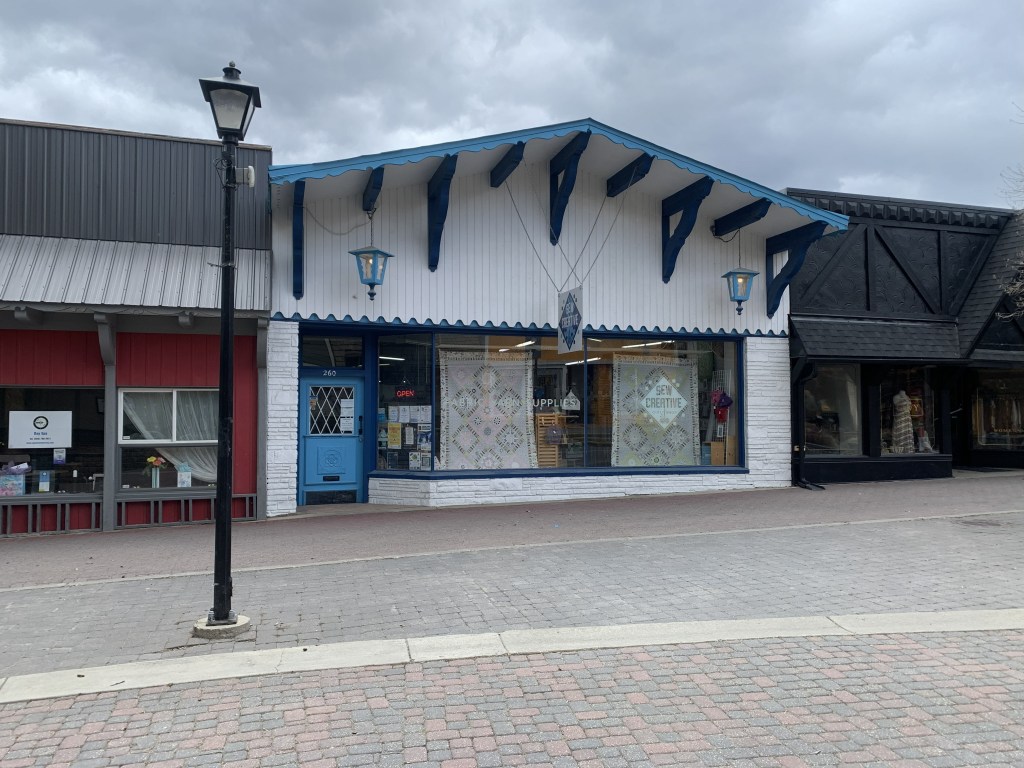
Quilt Shops #078


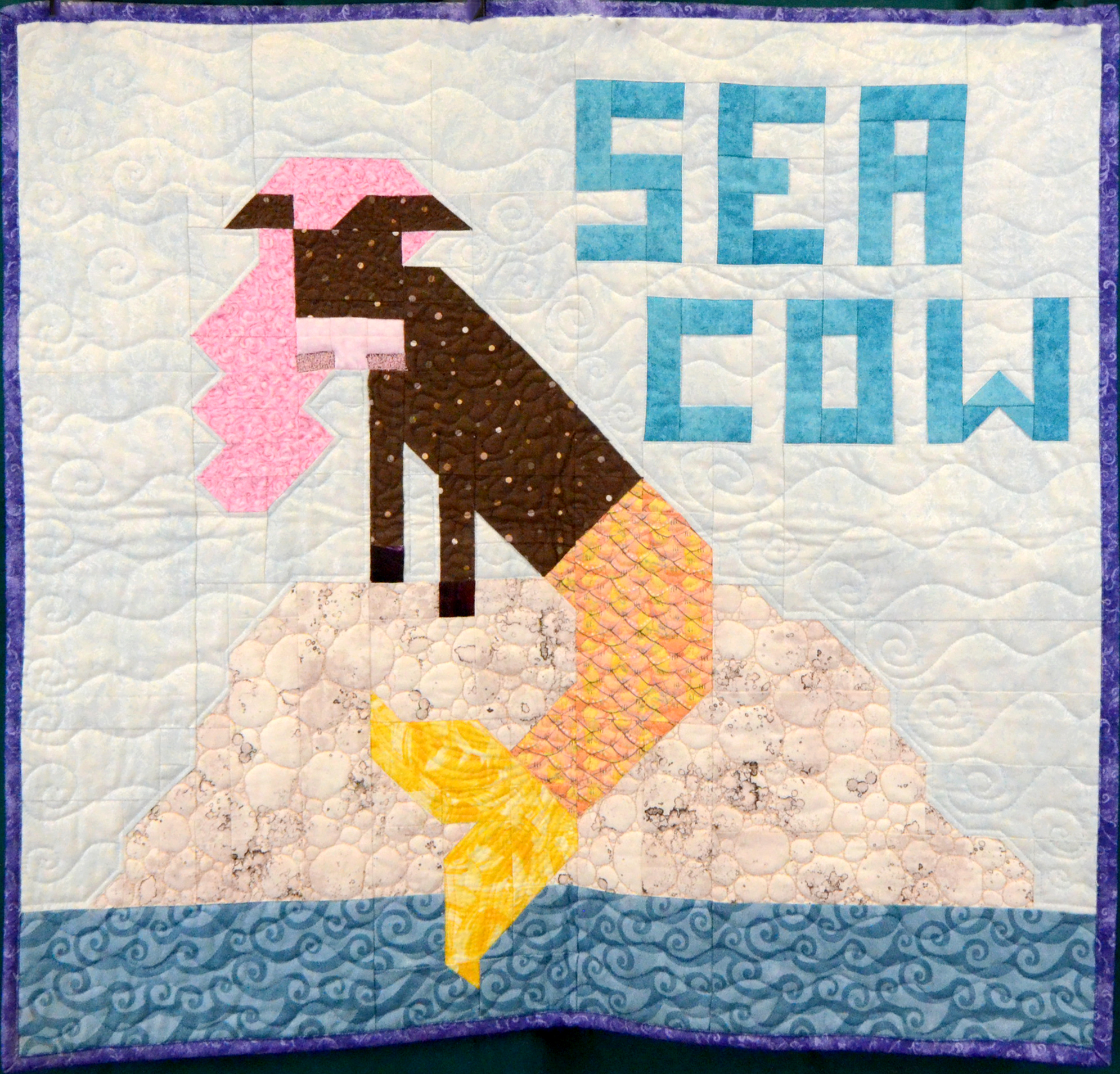
Quilter Creations



FAQs
What is your process working on a quilt?
One of the “jokes” about quilting is the absurdity of cutting up lovely fabric into small pieces and sewing them back together. However, this is the process of creating a quilt top. To make a quilt top, you take yardage of complementary fabrics, cut shapes (squares, rectangles, even circles or curved pieces), and then sew the pieces together to create new patterns. Once a
patterned “top” is made, you make a quilt sandwich of three layers: the top, batting, and backing. The sandwich is then quilted either by hand or
by machine. After the quilting is done, the edges are usually finished with a binding or a facing.
You can be a “traditionalist” in your approach or a “modernist” and make bed quilts or art pieces. There isn’t a limit to how you use quilting as a
creative process. It truly is like being a child, experiencing the joy of a box of 64 Crayola crayons and a blank canvas to colour.
Who is behind the Cranbrook Quilters Guild?
The guild, was founded in 1985 by Lisa Sharpe and Dominique Drummond who initially advertised for women interested in learning about quilting to form a guild. Since its inception, over 300 local women have joined as members. Today, in 2025, 60 ‘ordinary’ women, aged 30 to 94, gather twice a month from September to June to promote the guild’s objectives: preserving the art of quilting, sharing quilting skills within a community of women, and donating quilts to social and health agencies to give to those in need of the comfort a home-made quilt can bring.
I’d like to become a quilter, how do I do that?
In the past, aspiring quilter would start by taking a beginners quilting course offered through their town’s recreation department, a quilt store, or a guild. However, with the advent of the internet, many beginners, regardless of gender as more men are taking up quilting, now learn through online courses. While online courses offer convenience, in-person workshops provide an advantage. Instructors can address individual learning and technique issues, and participants can connect with other students. Some lifelong friendships started while making a sampler quilt in that first class.
Should I join a guild?
Joining a guild isn’t for everyone, but if you’re willing to take on the responsibilities, it can be rewarding and a lot of fun. As a guild member, you may need to be on the executive committee, or develop a program, or take a workshop simply to ensure sufficient participants to cover costs. While there’s work involved, there are also perks. You’ll have ready access to tutors, a community of like-minded individuals to play with, workshops and demonstrations to add to your skill set, and an audience that’s delighted by your creations. Perks do make the commitment worthwhile.
 CranbrookQuiltersGuildHistory